Creating a Mediterranean herb garden design transforms any outdoor space into a fragrant sanctuary that celebrates the rich culinary and aromatic traditions of our region. Here in Cyprus, where the Mediterranean climate provides ideal growing conditions for herbs like rosemary, oregano, and thyme, designing a dedicated herb garden becomes both a practical and sensory delight. In this guide, you'll discover how to plan, plant, and maintain a thriving herb garden that captures the essence of Mediterranean living while working harmoniously with Cyprus's unique growing conditions.
Planning Your Mediterranean Herb Garden Layout
The key to successful Mediterranean herb garden design lies in understanding sun exposure and grouping plants by water needs. Most Mediterranean herbs require 6-8 hours of direct sunlight daily and excellent drainage to thrive in Cyprus's USDA zone 10b climate.
When planning your layout, consider these essential design principles:
- Create defined zones: Group drought-tolerant herbs like rosemary, lavender, and oregano in the sunniest, most well-draining areas
- Establish pathways: Design 60-90cm wide paths between planting areas for easy harvesting and maintenance
- Plan for mature sizes: Allow 45-60cm spacing between larger herbs like rosemary bushes
- Consider seasonal access: Position frequently used culinary herbs like basil and parsley closest to your kitchen
Our team has found that raised beds work exceptionally well in Cyprus due to our limestone-rich, alkaline soil. Elevating your herb garden 20-30cm improves drainage while allowing you to amend the soil more effectively. This approach particularly benefits herbs that prefer slightly more neutral pH levels, such as basil and cilantro.
For those working with limited space, vertical herb gardens or tiered planters maximize growing area while creating visual interest. Consider incorporating natural stone retaining walls that complement Cyprus's traditional architecture while providing excellent drainage for your herbs.
Selecting the Best Mediterranean Herbs for Cyprus Climate
Mediterranean herbs naturally thrive in Cyprus because they're adapted to hot, dry summers and mild winters with minimal water requirements. The following herbs perform exceptionally well in our local conditions and form the backbone of any successful Mediterranean herb garden.
Drought-Tolerant Perennial Herbs
These hardy perennials establish deep root systems and provide year-round harvests:
- Rosemary (Rosmarinus officinalis) - Thrives in alkaline soil, requires watering only once weekly after establishment
- Greek oregano (Origanum vulgare hirtum) - More flavorful than common oregano, spreads naturally in rocky soil
- Thyme varieties (Thymus vulgaris) - Excellent ground cover, tolerates foot traffic between garden paths
- Sage (Salvia officinalis) - Silver-grey foliage provides beautiful contrast, extremely drought-tolerant
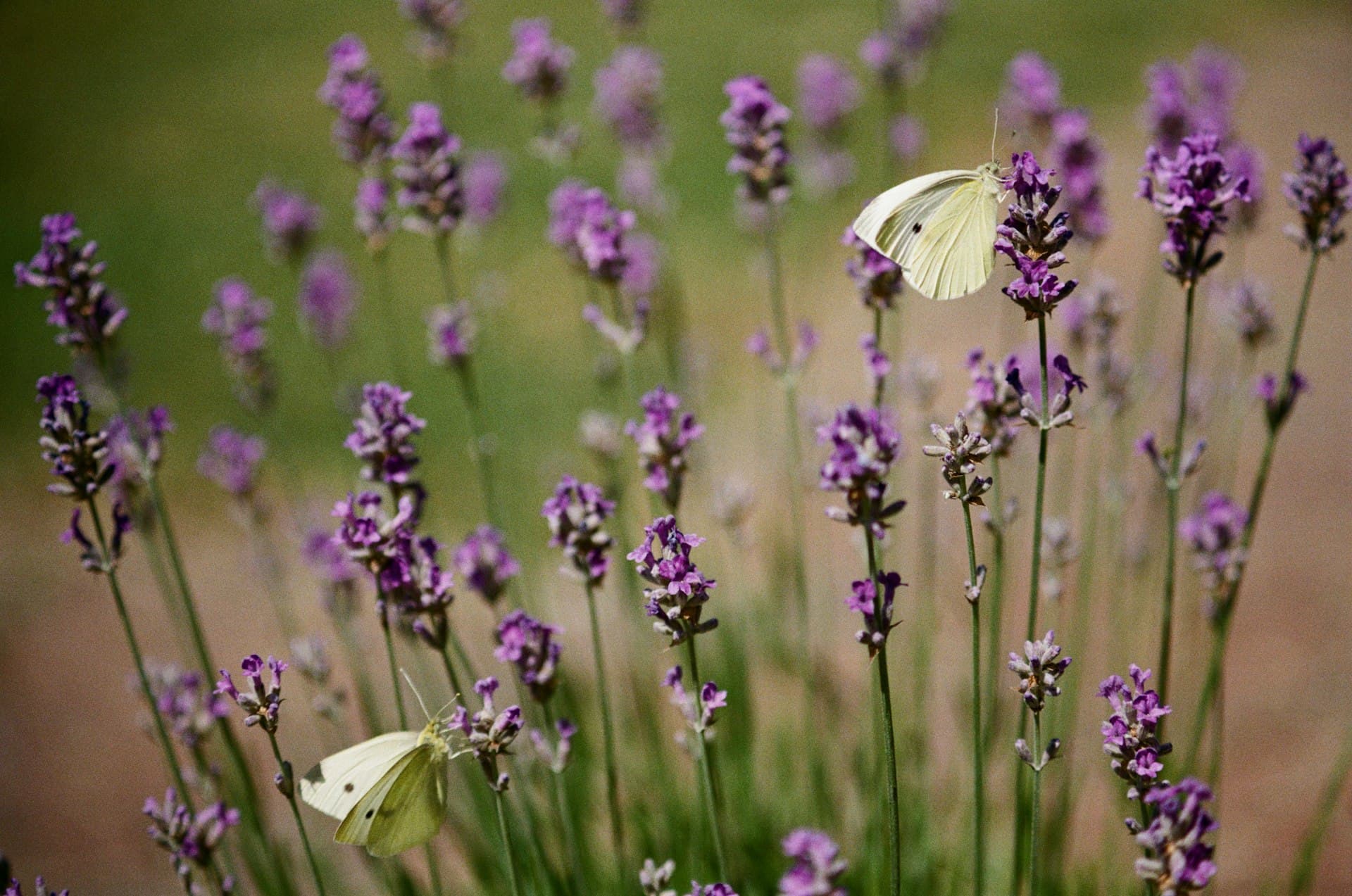
- Lavender (Lavandula angustifolia) - Blooms attract beneficial pollinators, requires minimal summer water
Annual and Tender Herbs
These herbs require replanting or protection but offer intense flavors:
- Basil varieties - Plant after last frost in March, provide afternoon shade during peak summer
- Cilantro/Coriander - Best grown in fall and spring when temperatures stay below 25°C
- Dill - Self-seeds readily, succession plant every 3-4 weeks for continuous harvest
Water-wise herb selection becomes crucial during Cyprus's dry summer months when water restrictions may limit irrigation. Focus on establishing drought-tolerant perennials during your first year, then experiment with annual herbs as your garden matures.
Soil Preparation and Planting Techniques
Mediterranean herbs require exceptionally well-draining soil with a pH between 6.5-8.0, making Cyprus's naturally alkaline limestone soil nearly perfect with minimal amendments. The primary challenge lies in improving drainage rather than adjusting pH levels.
Soil Amendment Strategy
Start soil preparation 4-6 weeks before planting:
- Add coarse sand or perlite at a ratio of 1:3 to existing soil for improved drainage
- Incorporate aged compost sparingly - Mediterranean herbs prefer lean soil over rich, organic matter
- Create drainage layers in raised beds using 10cm of gravel beneath amended soil
- Test drainage by digging 30cm holes and filling with water - proper drainage empties within 2-4 hours
Avoid over-fertilizing Mediterranean herbs as this reduces their essential oil concentration and makes them more susceptible to pests. We've observed that herbs grown in slightly poor soil often develop more intense flavors and aromas than those in rich garden soil.
Planting Timeline for Cyprus
Optimal planting windows maximize establishment success:
- March-April: Plant warm-season annuals like basil after frost danger passes
- September-October: Ideal time for establishing perennial herbs before winter
- November-February: Plant cool-season herbs like cilantro and parsley
Mulching with gravel or small stones rather than organic mulch helps regulate soil temperature while preventing moisture retention around plant stems. This technique particularly benefits lavender and rosemary, which can develop root rot in overly moist conditions.
Irrigation and Water Management
Mediterranean herbs require deep, infrequent watering - typically 2-3 times per week during establishment, reducing to once weekly or less once mature. This watering approach encourages deep root development while conserving precious water resources during Cyprus's dry season.
Efficient Watering Systems
Drip irrigation systems work exceptionally well for herb gardens because they deliver water directly to root zones while keeping foliage dry. Install drip emitters 30-45cm apart for even coverage without overwatering drought-sensitive herbs.
For smaller herb gardens, consider these water-wise approaches:
- Soaker hoses buried 5cm beneath mulch provide consistent moisture without surface evaporation
- Ollas (buried clay pots) offer traditional, slow-release irrigation perfect for Mediterranean herbs
- Rainwater harvesting systems capture winter rainfall for summer irrigation needs
Morning watering between 6-8 AM allows plants to absorb moisture before daily heat while reducing fungal disease risks. Avoid evening watering during humid summer months when poor air circulation can promote plant diseases.
Monitor soil moisture at 10-15cm depth rather than surface conditions - Mediterranean herbs prefer soil that dries between waterings. Overwatering causes more herb garden failures than drought stress in our Cyprus climate.
Design Ideas for Different Garden Spaces
Successful Mediterranean herb garden design adapts to available space while maintaining the essential elements of sun exposure, drainage, and easy access. Whether you're working with expansive grounds or compact courtyards, thoughtful design maximizes both beauty and functionality.
Large Garden Mediterranean Herb Design
For spacious properties, create dedicated herb zones that integrate with your overall landscape design. Establish a formal herb parterre using low-growing thyme or oregano as living borders around taller specimens like rosemary and sage. This classical approach reflects traditional Mediterranean monastery gardens while providing organized growing spaces.
Consider incorporating these large-space elements:
- Central focal points like olive trees or large lavender specimens
- Gravel pathways that complement Cyprus's natural stone architecture
- Herb spirals that create microclimates for different plant needs
- Seating areas surrounded by aromatic herbs for sensory enjoyment
Compact and Container Herb Gardens
Container herb gardening offers excellent control over soil conditions and drainage while making Mediterranean herbs accessible for balconies, terraces, and small courtyards. Choose containers at least 30cm deep for perennial herbs and ensure drainage holes prevent waterlogging.
Effective small-space strategies include:
- Vertical wall planters for trailing herbs like oregano and thyme
- Tiered container arrangements maximizing growing space in minimal footprint
- Window box herb gardens for easy kitchen access
- Mobile container gardens that can be relocated for optimal sun exposure
Terra cotta pots work exceptionally well for Mediterranean herbs because their porous nature allows excess moisture to evaporate while the material helps regulate root temperatures during hot Cyprus summers.
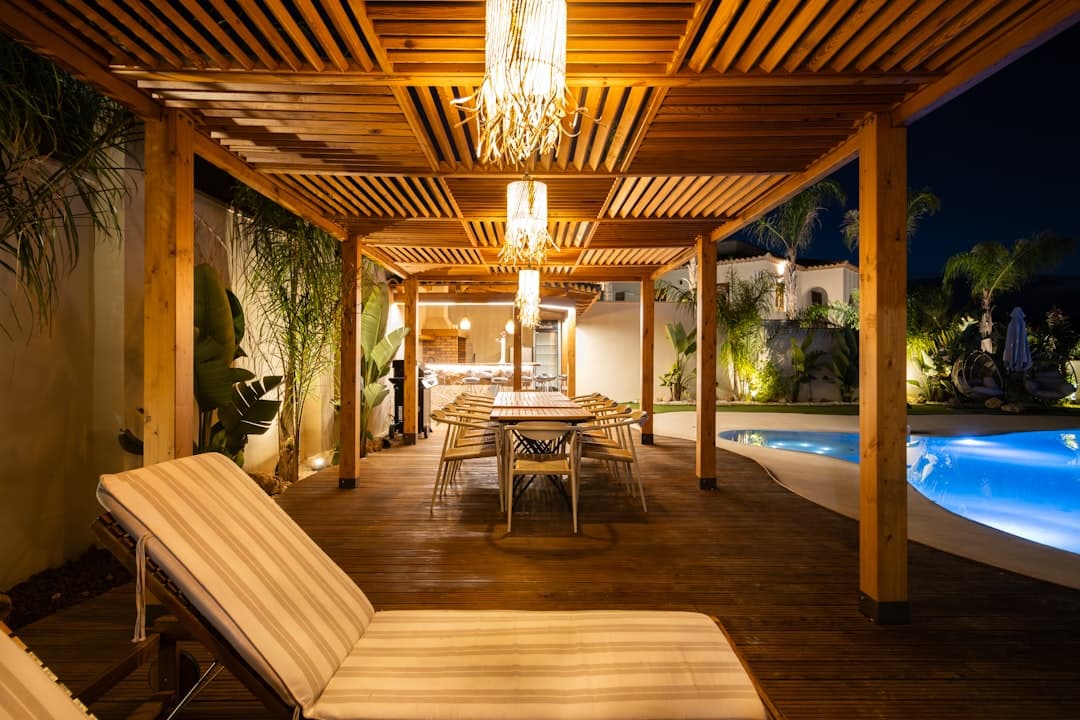
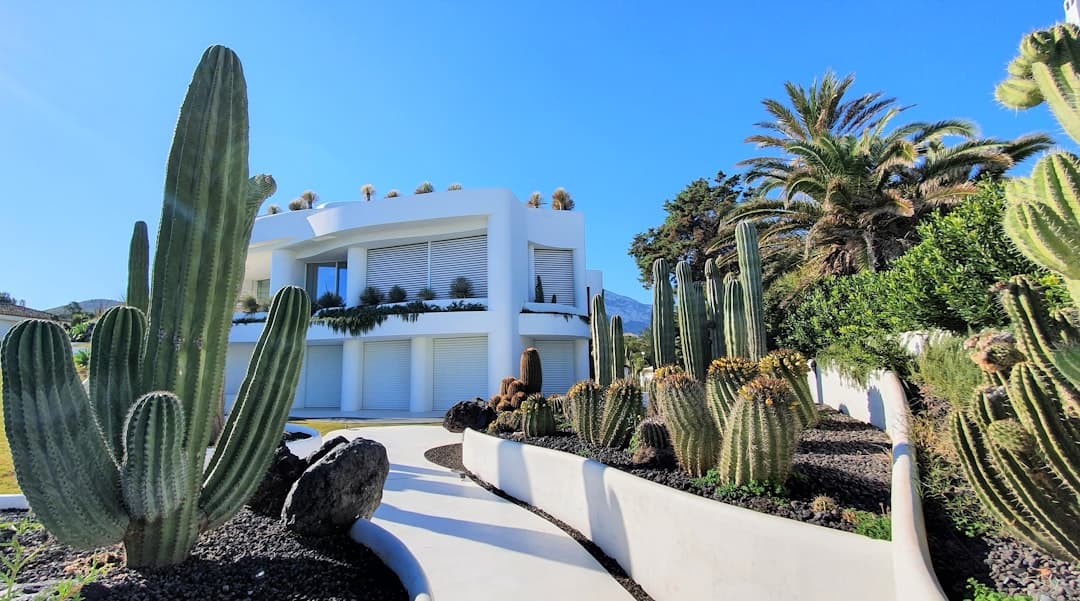
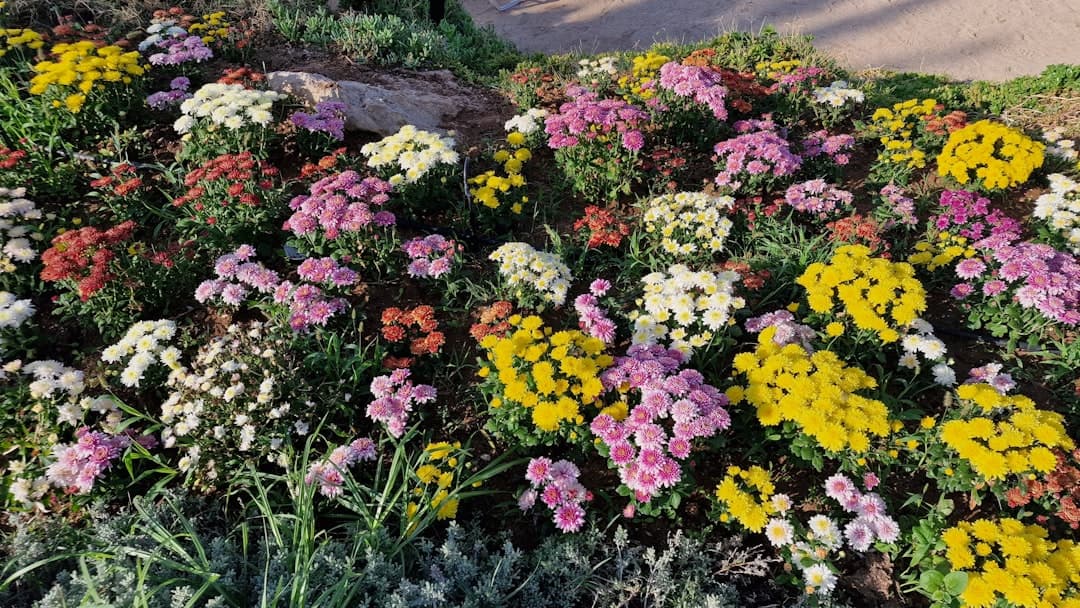
Our gallery showcases various herb garden designs we've created for Cyprus properties, demonstrating how Mediterranean herb gardens enhance both small and large outdoor spaces.
Maintenance and Seasonal Care
Regular harvesting and light pruning maintain herb garden health while providing continuous fresh harvests throughout the growing season. Mediterranean herbs actually benefit from frequent cutting, which encourages new growth and prevents flowering that can reduce leaf quality.
Monthly Maintenance Schedule
Spring (March-May):
- Prune winter-damaged growth from perennial herbs
- Plant new annual herbs after frost danger passes
- Begin regular harvesting as plants establish new growth
- Apply light compost layer around plants
Summer (June-August):
- Harvest herbs in early morning for peak essential oil content
- Deadhead flowers to maintain leaf production
- Monitor irrigation systems during peak heat
- Provide afternoon shade for tender herbs if needed
Fall (September-November):
- Plant new perennial herbs for winter establishment
- Collect and dry herbs for winter storage
- Reduce watering frequency as temperatures cool
- Begin succession planting of cool-season herbs
Winter (December-February):
- Protect tender herbs from occasional frost
- Reduce watering to minimal levels
- Plan next year's garden expansions
- Maintain tools and irrigation systems
Pruning Mediterranean herbs correctly involves cutting no more than one-third of the plant at any time. For woody herbs like rosemary and lavender, avoid cutting into old wood, which may not regenerate new growth.
For comprehensive garden maintenance support, explore our services that include seasonal herb garden care and optimization.
Frequently Asked Questions
What are the easiest Mediterranean herbs to grow in Cyprus?
Rosemary, oregano, and thyme are the most foolproof Mediterranean herbs for Cyprus gardens. These perennial herbs tolerate our alkaline soil, require minimal water once established, and provide year-round harvests. They're virtually maintenance-free and actually improve in flavor when grown in our naturally challenging conditions.
When is the best time to plant a Mediterranean herb garden in Cyprus?
September through October offers ideal planting conditions for establishing perennial Mediterranean herbs in Cyprus. The cooler temperatures and increased rainfall help plants establish strong root systems before summer heat. For annual herbs like basil, wait until March-April when frost danger has completely passed.
How much water do Mediterranean herbs need during Cyprus summers?
Established Mediterranean herbs typically need deep watering once per week during Cyprus summers, while newly planted herbs require watering 2-3 times weekly for the first month. Apply 2-3cm of water per session, allowing soil to dry between waterings. Overwatering causes more problems than drought stress for these naturally adapted plants.
Can I grow Mediterranean herbs in containers on my Cyprus balcony?
Yes, Mediterranean herbs thrive in containers on Cyprus balconies with at least 6 hours of direct sunlight daily. Use containers minimum 30cm deep with excellent drainage, and choose terra cotta pots that help regulate moisture. Position containers to receive morning sun while providing some afternoon shade during peak summer heat.
Transform your outdoor space into an aromatic Mediterranean paradise that celebrates Cyprus's ideal growing conditions for herbs. Whether you're planning an extensive herb garden or starting with a few containers, the principles outlined here will help you create a thriving, low-maintenance garden that provides fresh herbs year-round. Ready to begin your Mediterranean herb garden journey? Get in touch with our experienced team to discuss design options that perfectly suit your space and lifestyle, or explore our comprehensive plant identification tool to learn more about Mediterranean herbs that thrive in Cyprus.
Green Planet Gardening
Luxury garden design, construction, and maintenance across Cyprus. Founded by the Knodaritis brothers with over a decade of Mediterranean landscaping excellence.
Book a free consultation →