Every rose grower collects advice. Soapy water, garlic brew, coffee grounds, milk, a ring of marigolds, a squirt of dish detergent because somebody's grandmother swore by it. Some of that advice is sound. Some of it is a weekend spent on a spray bottle while the colony keeps doubling. And a lot of it was written for cool, damp Northern European gardens, where the same method behaves differently than it does on a terrace in Limassol in May.
This article sorts the common home remedies for aphids on roses by one question only: does it hold up under Mediterranean conditions, or does it mostly cost you time? It also marks the point where a home remedy stops being a household matter and starts touching plant protection law, because that line is easy to cross without noticing.
Why the Mediterranean changes the answer
Three local conditions decide almost everything.
Heat and water stress. Contact products such as soap solutions and oils work only where they physically wet the insect, they leave no lasting protective film, and they can injure foliage when plants are hot or water stressed. The University of California IPM Pest Notes on aphids is explicit about this: thorough coverage matters, there is no residual effect, and treatment of drought stressed plants in high temperatures risks damage to the plant. On a south facing wall in July, that risk is not theoretical.
Dry air and dust. Sprays evaporate before they do their job. A fine mist that dries on the way down has wetted nothing. Early morning, with still air and a cool leaf surface, is a different exercise than noon.
A long season with many generations. The rose aphid, Macrosiphum rosae, is listed and described in the EPPO Global Database, which you can search by name. Under mild Mediterranean winters and a long warm spring, populations build earlier and keep going longer than the typical Central European calendar suggests. That means the timing of any measure matters more than the choice of measure.
What tends to hold up
A firm jet of water, repeated. Aphids are soft bodied and poor at getting back onto a stem once knocked off. A hose on the underside of soft shoots, two or three mornings in a row, breaks the colony structure. It costs water, so do it on a watering day rather than as an extra. The RHS advice page on aphids describes physical removal and tolerance of low numbers as a first line approach.
Your thumb. Unpleasant, effective, instant on a single plant. Three bushes on a balcony do not need a spray programme.
Pruning the few infested tips. Aphids concentrate on the softest growth. Cutting out two or three colonised shoot tips and removing them from the garden takes most of the population with them and leaves the bush with cleaner growth.
Leaving the predators alone. Ladybird larvae, hoverfly larvae, lacewings and parasitic wasps do the heavy lifting in a Mediterranean garden if you let them. A broad spray on day one often removes the help along with the pest and sets up a worse second wave. Flowering herbs and umbellifers nearby give those insects somewhere to be.
Dealing with ants, not ignoring them. Ants farm aphids for honeydew and actively defend them. If a trail runs up the stem, your water jets will be undone every afternoon. Managing the ant route is often the measure that makes everything else stick.
Feeding and watering discipline. Heavy nitrogen plus irregular water produces exactly the lush, soft growth aphids prefer. Steady, deeper watering and restrained feeding change how attractive the bush is in the first place. This is slow and unglamorous, and it works over a season.
What mostly costs time
Coffee grounds around the base. Useful as a small soil amendment at best. There is no mechanism by which grounds at soil level affect a colony feeding on shoot tips.
Garlic, chilli or nettle brews as a cure. These are often presented as general purpose sprays. In practice they are inconsistent, they wash off, they need reapplication after every irrigation cycle, and in a hot dry garden the reapplication schedule becomes the project. Treat them as marginal, not as the plan.
Milk sprays. Milk gets recommended for fungal problems on leaves and then migrates, by rumour, to insects. Against a sap sucking colony it does nothing you can observe.
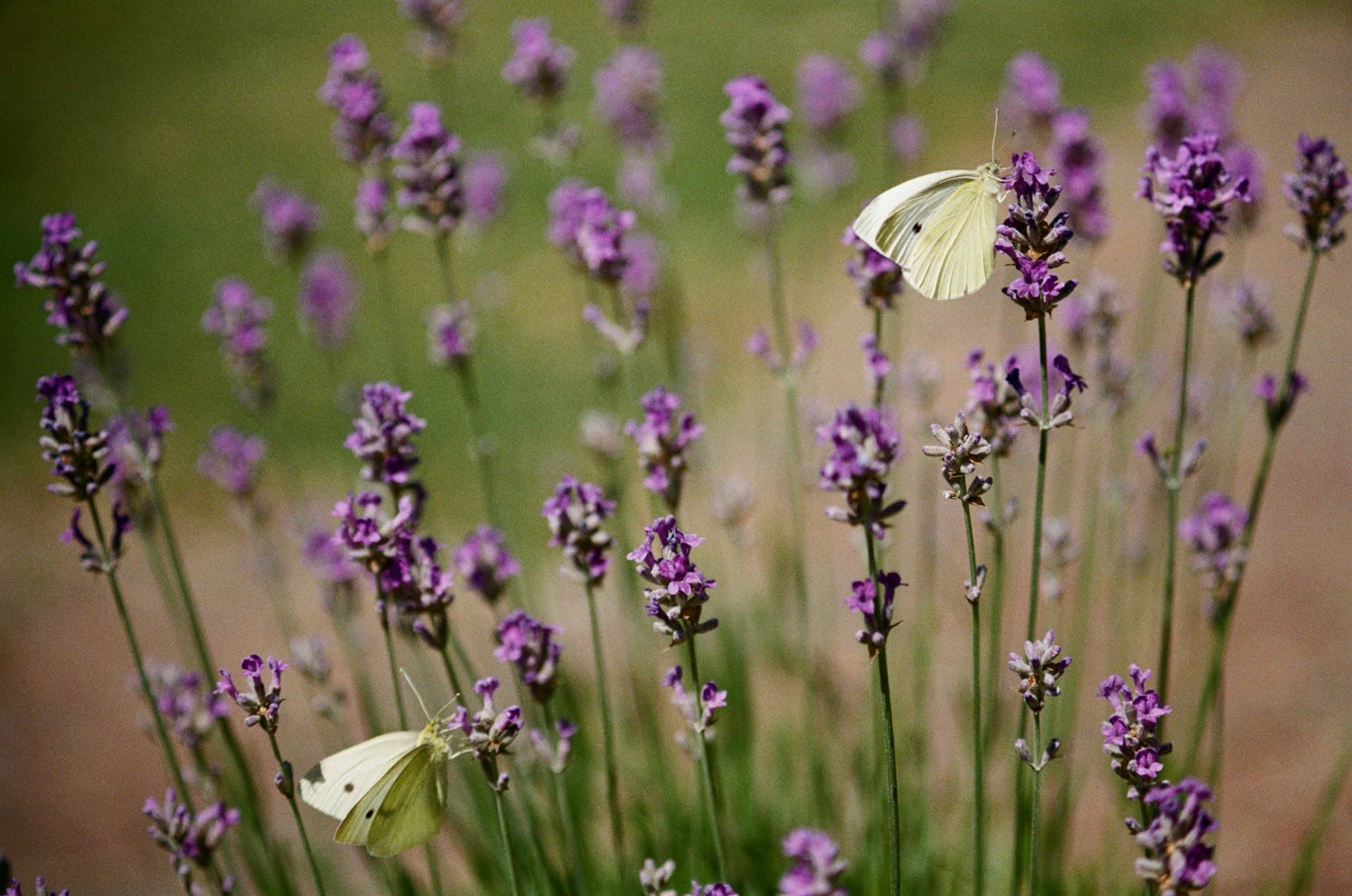
One companion plant as a shield. A single lavender or marigold near the rose does not clear an established colony. A planting that supports beneficial insects across the whole bed is a real strategy, but it is a seasonal investment, not a same day fix.
Household dish detergent. This is the most common and the most problematic suggestion. Dishwashing liquid is not an authorised plant protection product, the formulations contain additives that have nothing to do with plant treatment, and foliage damage on roses in Mediterranean heat is a realistic outcome. Using a household cleaner for plant protection purposes also puts you outside the authorisation framework described in the next section.
The part most home remedy lists skip
In the EU, anything applied with the intention of controlling a pest falls under plant protection rules. Only products authorised in your own country may be used, and only in the authorised use and dose. Authorisations are national, so a product that is legal in Italy is not automatically legal in Germany or Cyprus. Germany's register is maintained by the BVL, and the EU Pesticides Database at the European Commission lists active substances and, separately, the basic substances approved under Article 23 of Regulation (EC) No 1107/2009. That basic substances list is exactly where several familiar kitchen items sit, with conditions attached. Checking it takes two minutes and tells you what is actually permitted and how.
Two more things belong in the decision. If you are spraying anything near crops that will be harvested, waiting periods and residue questions are part of the choice, not an afterthought. And if you are unsure what applies to your situation, speak to a local agronomist or ask us directly rather than relying on a forum post.
Timing for pollinators is the last piece. Roses are visited. Early morning or late evening application, outside flight activity, is the difference between a targeted measure and collateral damage.
When the problem is not aphids, and when the plant is past help
Sticky leaves, curled tips and sooty black film can come from more than one insect. Scale, whitefly and mealybug all produce honeydew, and the right response differs for each. Treating an incorrect assumption for three weeks is the most expensive home remedy there is.
It is also worth saying plainly: not every plant is recoverable. A rose that has been colonised for months on top of root problems or a virus may be beyond a treatment plan. Being told that early is more useful than another round of spraying.
Where Dr. Phyto fits in
Dr. Phyto, our plant diagnosis web app at drphyto.app, is built for exactly this gap between a symptom and a decision. The name comes from the Greek word for plant, φυτό. You photograph the affected plant, answer a few follow up questions, and get a named diagnosis with the scientific name, a stated confidence level and an explicit comparison against the pests and diseases it can be confused with. From there it builds a dated treatment calendar with authorised products, doses and pollinator friendly timing, plus reminders and a follow up check.
The answers come from a curated, reviewed knowledge base rather than free generation. According to the drphyto.app homepage, that base currently covers 282 plants, 437 diseases and pests and 957 treatment protocols, in five languages: English, German, Greek, Italian and French. Two things a general chatbot does not carry are built in: 37 EU quarantine organisms from Annex II of Regulation (EU) 2019/2072 are held in the engine, with routing to 26 national plant health authorities, so if something notifiable appears you are told which authority to contact. Dr. Phyto is not an official diagnosis and does not replace an official examination, and reporting duties are never something to work around.
The first diagnosis is free and you can start without signing up. Beyond that first one, access is paid, either as a one time purchase or as a plan, and the current terms are shown on the pricing page and at the paywall.
For a rose with aphids, the honest answer is often a hose, a thumb and some patience. The value of a diagnosis is knowing that it really is aphids before you spend three weekends on the wrong remedy.
Green Planet Gardening
Luxury garden design, construction, and maintenance across Cyprus. Founded by the Knodaritis brothers with over a decade of Mediterranean landscaping excellence.
Book a free consultation →