
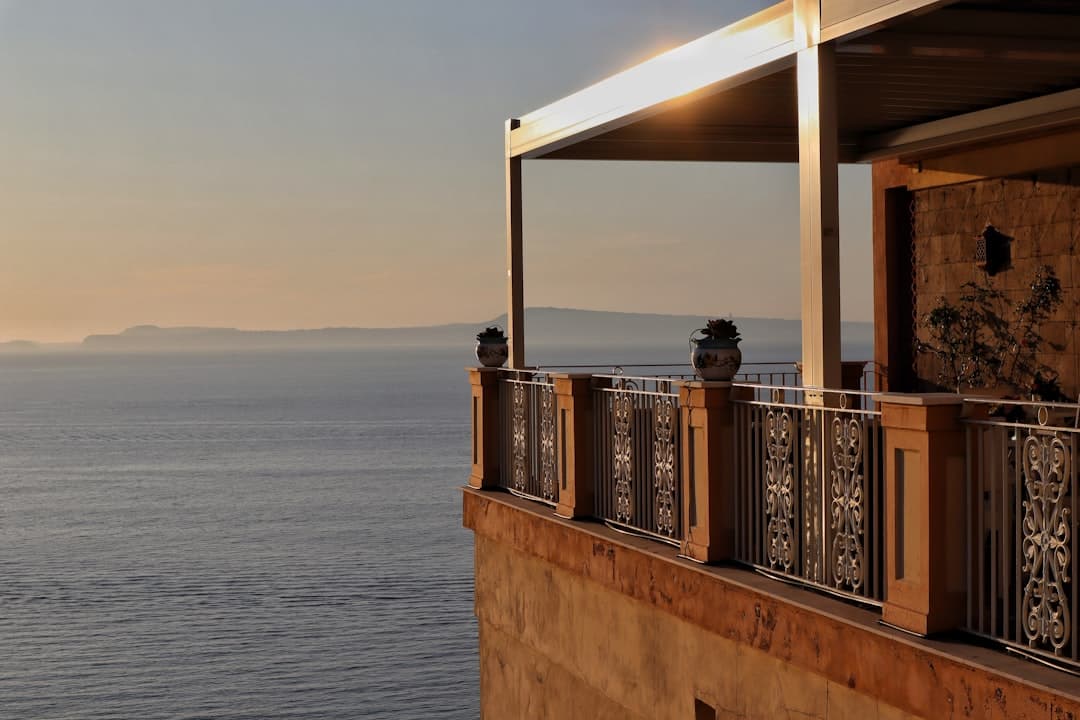
Bioclimatic Pergolas for Cyprus Villas: The Complete Guide to Choosing the Right Shade Structure
Step onto any luxury villa terrace in Limassol or Paphos on a July afternoon and you'll notice the same feature appearing again and again: sleek, motorized louvered roofs that pivot with the touch of a button, transforming an exposed terrace into a cool, shaded retreat in seconds. This is the bioclimatic pergola — arguably the single most valuable outdoor living investment for a Cyprus villa, and the structure that has quietly replaced the traditional wooden pergola as the gold standard for year-round terrace living across the island.
If you're weighing up shade options for a new build or a terrace renovation, this guide will walk you through exactly what a bioclimatic pergola is, how it compares to louvered roofs, shade sails, and traditional timber structures, what it actually costs installed in Cyprus, and how to choose the right system for your climate, orientation, and budget.
What Is a Bioclimatic Pergola? (Quick Answer)
A bioclimatic pergola is an aluminum pergola with a motorized louvered roof system that opens and closes to regulate sunlight, ventilation, rainfall, and temperature — essentially an intelligent, climate-responsive alternative to a fixed traditional pergola. Unlike a normal pergola, which offers static, unchanging shade from a fixed timber or fabric roof, a bioclimatic pergola's aluminum louvers (or "blades") rotate up to 135° on a central axis, allowing you to dial in anything from full sun to full shade to fully weatherproof closure — often integrated with rain sensors, wind sensors, LED lighting, and smart home apps.
For Cyprus villas, where summer temperatures regularly exceed 35°C and the sun is intense for over 300 days a year, this adaptability isn't a luxury feature — it's a practical response to a genuinely demanding climate.
300+
Sunny Days/Year
35°C+
Summer Peaks
500mm
Annual Rainfall
What Is the Difference Between a Bioclimatic Pergola and a Normal Pergola?
This is the question we hear most often from villa owners, and it deserves a clear, direct answer.
A normal (traditional) pergola — whether timber, vine-covered, or fitted with a fixed canopy — provides one level of shade, all the time. It cannot be adjusted for weather, doesn't shed rainwater in a controlled way, and typically requires additional shade cloth, a retractable awning, or seasonal planting to modulate light levels through the year.
A bioclimatic pergola solves all three limitations at once:
Adjustable Shade on Demand
The aluminum louvers rotate to track the sun's angle throughout the day. Close them flat for 100% shade during the brutal 1pm–5pm summer heat; angle them open in the softer morning or evening light; or fully open them in winter to let low-angle sun warm the terrace and interior rooms behind glazed doors.
Genuine Weatherproofing
When closed, the interlocking louvers create a watertight roof, channeling rainwater through integrated gutters and hidden downpipes within the support columns. This means furniture, outdoor kitchens, and soft furnishings stay protected even during sudden autumn or spring downpours — something no shade sail or open timber pergola can offer.
Climate Control, Not Just Shade
By managing solar gain, a bioclimatic pergola can reduce the surface temperature of a terrace by 10–15°C compared to unshaded paving, and — when positioned over south or west-facing glazing — measurably reduces indoor cooling loads in the rooms behind it. This is the "bioclimatic" principle: the structure actively responds to climate conditions rather than simply blocking sun in a fixed way.
💡Pro Tip
For maximum cooling benefit, position your bioclimatic pergola to shade south- and west-facing glass doors and windows, not just the seating area. This can noticeably reduce air-conditioning running costs in the rooms directly behind the terrace during peak summer months.
Louvered Roof Pergolas in Cyprus: How the System Actually Works
Because "bioclimatic pergola" and "louvered roof pergola" are often used interchangeably in Cyprus, it's worth understanding the mechanics before you buy.
The Louvered Blade Mechanism
Each pergola consists of a series of extruded aluminum blades, typically 150–220mm wide, mounted on a rotating spindle running the length of the structure. A single motor (or synchronized motors on larger spans) drives all blades simultaneously via a concealed rod or gear system. Quality systems from established European manufacturers (the brands most commonly installed in Cyprus include Renson, IQ Outdoor, and Corradi) are rated for wind resistance up to Beaufort force 8–10 when closed, and most reputable installers offer 10-year structural warranties.
Integrated Technology
Most louvered systems installed on Cyprus villas today include:
- Rain sensors that automatically close the louvers if rain begins while you're away from the villa
- Wind sensors that trigger automatic closure or lock-out above a set wind speed threshold, protecting the mechanism
- Integrated LED strip lighting built into the louver frames or side beams, eliminating the need for separate fixtures
- Retractable side screens or glass sliding panels, converting the pergola into a fully enclosed winter room
- Smart home/app control, allowing remote operation and integration with systems like Somfy TaHoma
Freestanding vs. Wall-Mounted Configurations
Freestanding bioclimatic pergolas work well over pool terraces or as standalone garden pavilions, while wall-mounted (lean-to) configurations attach directly to the villa façade — the more common choice for covering existing terraces adjoining the main living space. Wall-mounted systems are generally 10–15% less expensive due to reduced structural steel and fewer support columns.
On the island, the pergola isn't just a shade structure anymore — it's the room where villa life actually happens. Clients who invest in a bioclimatic system tell us it extends genuinely comfortable outdoor living from three months a year to nearly nine.
Pergola vs. Shade Sail in Cyprus: Which Should You Choose?
Shade sails have become hugely popular across Cyprus for their affordability and striking architectural look, but they solve a different problem than a bioclimatic pergola.
When a Shade Sail Makes More Sense
Shade sails are ideal for larger, irregularly shaped areas — think expansive lawns, children's play zones, or informal seating areas away from the main terrace — where a permanent aluminum structure would feel heavy-handed or where budget is a primary constraint. A quality HDPE shade sail installation in Cyprus typically costs a fraction of an equivalent-sized bioclimatic pergola, and installation takes days rather than weeks. If you're specifically comparing fabric options, our guide to shade sails for Cyprus gardens covers fabric grades, UV ratings, and tensioning in detail.
When a Bioclimatic Pergola Wins
For the primary terrace — the space adjoining your kitchen, living room, or outdoor dining area — a bioclimatic pergola is almost always the better long-term investment. Shade sails cannot close against rain, cannot be angled to manage light through the day, and typically need replacing every 5–8 years as UV exposure degrades the fabric even with the best commercial-grade materials. A well-maintained aluminum bioclimatic pergola, by contrast, is a genuinely permanent structure with a realistic lifespan of 25+ years.
| Factor | Bioclimatic Pergola | Shade Sail |
|---|---|---|
| Rain protection | Full (closed position) | None |
| Adjustable shade | Yes, continuous | No, fixed |
| Typical lifespan | 25+ years | 5–8 years |
| Installation time | 2–4 weeks | 1–3 days |
| Best use | Primary terrace, outdoor kitchen | Lawns, secondary areas |
⚠️Important
Shade sails installed over outdoor kitchens or dining areas with no rain contingency plan are a common regret among Cyprus villa owners. If the terrace houses cooking equipment or upholstered furniture, budget for a closable structure — either a bioclimatic pergola or a sail paired with a retractable awning backup.
Aluminum Pergola Cost in Cyprus: A Realistic Budget Breakdown
Pricing varies significantly based on size, brand, and features, but here is what villa owners across Cyprus can realistically expect to budget for a professionally installed system in 2024/2025.
Entry-Level Motorized Louvered Pergolas
For a straightforward wall-mounted bioclimatic pergola covering roughly 20–25m² (a typical single-room terrace), entry-level systems from reliable manufacturers start around €800–€1,100 per m², fully installed. This includes the aluminum frame, motorized louvers, one motor, basic gutter integration, and standard powder-coated finish.
Mid-Range and Premium Systems
Mid-range systems with rain/wind sensors, integrated LED lighting, and premium color finishes (Cyprus's coastal, salt-air environment makes marine-grade powder coating a worthwhile upgrade) typically run €1,100–€1,600 per m². Premium European brands with glass sliding wall systems, zoned motor control for larger spans, and full smart-home integration can reach €1,800–€2,500 per m² for a complete, high-specification installation.
What Drives the Price Up or Down
- Span and column spacing — larger unsupported spans require heavier-gauge aluminum and additional structural engineering
- Number of motors — larger pergolas need multiple synchronized motors, adding cost
- Wall-mounted vs. freestanding — freestanding structures need four (or more) full support columns and footings
- Additional glazing or screen walls — converting the pergola into a semi-enclosed winter room adds significantly to cost
- Site access and foundation work — sloped sites or terraces requiring new concrete footings add labor costs
💡Pro Tip
Always request the per-m² price broken down separately from foundation/groundworks costs. Reputable Cyprus installers should provide a transparent quote itemizing structure, motorization, electrical connection, and any civil works required.
Wooden Pergola Maintenance vs. Aluminum: The Real Long-Term Comparison
Traditional timber pergolas remain popular for their warmth and natural aesthetic, particularly in rural and traditional-style Cyprus properties, but the maintenance reality is significantly different from an aluminum bioclimatic system.
Wooden Pergola Upkeep in the Cyprus Climate
Cyprus's combination of intense UV exposure, coastal salt air, and hot, dry summers followed by wetter winters is genuinely tough on timber. Untreated or poorly maintained wooden pergolas typically need:
- Re-staining or oiling every 12–18 months to prevent UV bleaching and cracking
- Annual inspection for wood-boring insects and rot, particularly at ground contact points
- Replacement of individual beams every 8–12 years depending on timber species and treatment quality
- Additional shade cloth or fabric canopy, since bare timber slats alone provide only 40–60% shade density
Hardwoods like iroko or treated pine perform noticeably better than softwoods in the Cyprus climate, but even quality hardwood pergolas require ongoing seasonal attention that aluminum systems simply don't.
Why Aluminum Wins on Long-Term Value
A powder-coated aluminum bioclimatic pergola requires essentially no structural maintenance — an occasional rinse to remove dust and pollen, and a yearly check of the motor mechanism and drainage channels. There's no re-staining, no rot risk, and no insect vulnerability. Over a 15–20 year ownership period, the total cost of ownership for aluminum frequently comes out lower than timber once repeated maintenance, treatments, and eventual beam replacement are factored in — even though the upfront cost of aluminum is higher.
Star Jasmine
Trachelospermum jasminoides
A superb climbing companion for pergola support columns in Cyprus gardens — fragrant white flowers in late spring, dense evergreen coverage, and tolerant of the alkaline, free-draining soils common across the island.
Bougainvillea
Bougainvillea spectabilis
Classic Mediterranean color for softening aluminum pergola columns. Extremely drought-tolerant once established and thrives in Cyprus's hot, dry summers with minimal irrigation.
Designing Your Bioclimatic Pergola: Orientation, Integration, and Planting
Getting maximum value from a bioclimatic pergola isn't just about choosing the right brand — it's about integrating the structure thoughtfully with your villa's layout, outdoor kitchen, pool area, and garden lighting plan.
Orientation and Sun Path
South and west-facing terraces benefit most dramatically from a bioclimatic system, since these elevations receive the most intense afternoon sun in the Cyprus summer. Work with your installer to model the sun's path across your specific site — many manufacturers offer software simulations showing shade coverage hour by hour, which is invaluable for confirming louver angle settings before installation.
Integrating with Outdoor Kitchens and Pool Areas
A bioclimatic pergola is frequently the anchor structure for a broader outdoor living zone. If you're planning an al fresco kitchen, our guide to outdoor kitchen design for Cyprus villas covers layout considerations that work well underneath a louvered roof, including ventilation requirements for gas appliances and grills positioned beneath a closable structure. Similarly, if the pergola sits adjacent to a pool, our pool landscaping guide for luxury Cyprus villas explores how to visually connect the shaded terrace with poolside planting and hardscaping for a cohesive design.
Lighting the Structure After Dark
Integrated LED strips within the louvers provide functional lighting, but the most successful terrace designs layer this with additional garden and pool lighting for depth and atmosphere in the evening. Our garden lighting guide for Cyprus villas covers warm-white color temperatures, pathway lighting, and uplighting techniques that pair beautifully with a bioclimatic pergola's built-in fixtures.
🌿Eco Tip
Choose LED lighting integrated into your pergola with a warm color temperature of 2700K–3000K. This not only creates a more inviting Mediterranean evening ambiance than cooler white light, but also uses significantly less energy than traditional halogen fixtures — an easy sustainability win for villa owners.
Frequently Asked Questions
What is the difference between a bioclimatic pergola and a normal pergola?
A bioclimatic pergola has motorized, rotating aluminum louvers that adjust to control sunlight, ventilation, and rainfall, while a normal pergola has a fixed roof or open lattice that offers only one static level of shade with no weatherproofing and no ability to adapt to changing weather or seasons.
How much does a bioclimatic pergola cost in Cyprus?
Expect to pay roughly €800–€1,100 per m² for entry-level motorized louvered systems, €1,100–€1,600 per m² for mid-range systems with sensors and lighting, and €1,800–€2,500 per m² for premium systems with glass walls and full smart-home integration, fully installed.
Do bioclimatic pergolas need planning permission in Cyprus?
Most permanent pergola structures attached to a villa in Cyprus require a building permit from the local municipality, particularly if the structure exceeds certain height or footprint thresholds. Requirements vary by district, so always confirm with your local Eparchy planning office or your installer before beginning construction.
Can a bioclimatic pergola withstand Cyprus's strong summer winds and coastal salt air?
Yes — quality aluminum bioclimatic pergolas from established manufacturers are rated to withstand wind speeds up to Beaufort force 8–10 in the closed position, and marine-grade powder coating finishes are specifically recommended for coastal Cyprus properties to resist salt-air corrosion over the structure's 25+ year lifespan.
Choosing the right shade structure is one of the highest-impact decisions you'll make for your villa's outdoor living space, and the right choice genuinely depends on your terrace's orientation, your budget, and how you intend to use the space year-round. If you'd like expert guidance tailored to your specific terrace — its orientation, its exposure to wind and salt, and how you actually want to use it through the year — book a free consultation and we will talk it through on site.
Green Planet Gardening
Luxury garden design, construction, and maintenance across Cyprus. Founded by the Knodaritis brothers with over a decade of Mediterranean landscaping excellence.
Book a free consultation →Continue Reading
 Outdoor Living
 Outdoor Living
 Outdoor Living