
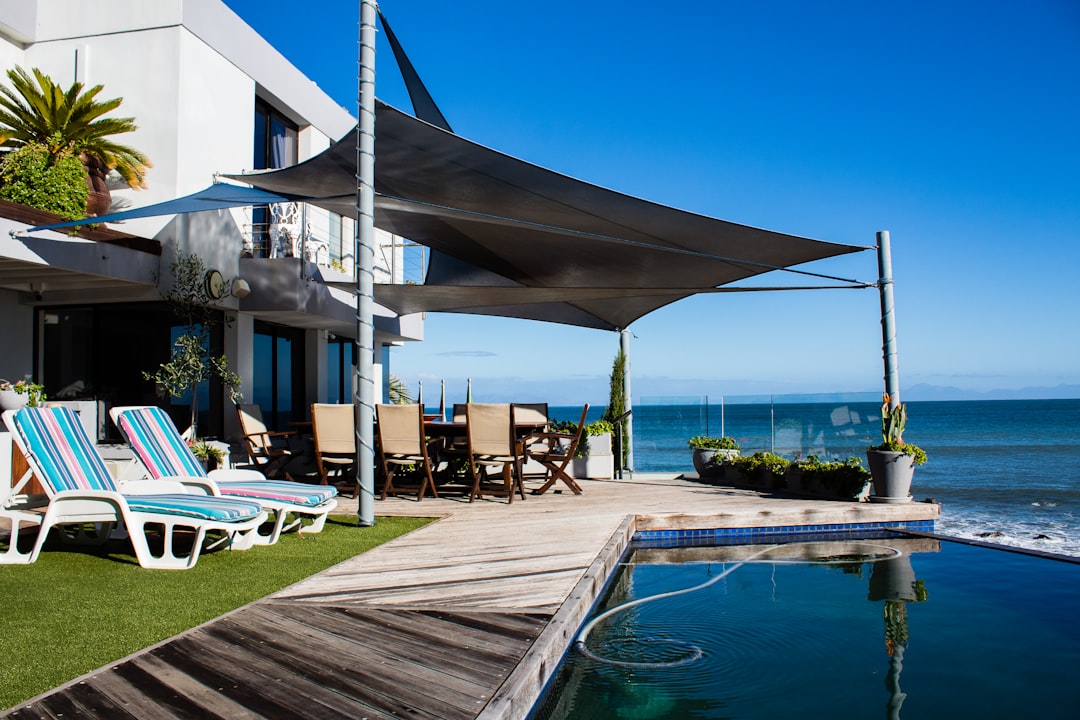
By July, the sun over Nicosia and Limassol doesn't just shine — it presses down with a physical weight, pushing surface temperatures past 45°C and UV indices into the "extreme" category by 9am. For Cyprus homeowners, shade sails for Cyprus gardens have become the single most effective and cost-efficient way to reclaim outdoor living space during the six-month stretch when unprotected patios, pools, and play areas are simply unusable. Unlike a traditional roof, a well-chosen shade sail can block up to 98% of UV radiation while still allowing hot air to escape — a critical distinction in a climate where trapped heat under solid structures can actually make an outdoor area feel worse.
Quick answer: The best shade sail fabric for Cyprus summer heat is a knitted High-Density Polyethylene (HDPE) mesh with a UV block rating of 90–95% and a density of 280–340 gsm. HDPE outperforms woven PVC and polyester in Cyprus's climate because its permeable weave releases hot air rather than trapping it, resists the island's intense UV exposure without degrading for 10–15 years, and dries almost instantly after the rare but heavy winter downpour — preventing the mould and sagging that plague solid canvas sails in humid coastal microclimates like Larnaca and Paphos.
Why Cyprus Gardens Need Shade Sails More Than Most Climates
Cyprus isn't just hot — it's relentlessly, structurally sunny in a way that reshapes how outdoor spaces need to be engineered.
300+
Sunny Days/Year
35°C+
Summer Peaks
500mm
Annual Rainfall
With over 300 sunny days annually and a UV index that regularly hits 9–11 (classified as "very high" to "extreme" by the World Health Organization) between May and September, Cyprus gardens experience a level of solar exposure that most shade products sold in northern Europe were never designed to handle. A shade sail rated for a UK garden may fade, stretch, or lose UV-blocking capacity within two summers under Mediterranean intensity.
The UV Exposure Problem in Cyprus
Unprotected skin can burn in as little as 10–15 minutes on a Cyprus summer afternoon. Beyond human comfort, that same UV load bleaches outdoor furniture, stresses potted plants, and turns paved surfaces into radiant heat sources that push ambient garden temperatures several degrees higher than the official forecast. If you've struggled with wilting containers on a hot terrace, our guide on keeping container plants alive in Cyprus summer heat covers the plant-specific side of this problem — but shading the space itself is often the more permanent fix.
Heat Islands and Outdoor Living Spaces
Stone patios, pool decks, and gravel paths absorb solar energy all day and radiate it back into the evening, creating "heat islands" that can keep a terrace uncomfortably warm well past sunset. A properly positioned shade sail interrupts this cycle at the source, reducing surface temperatures on paving by as much as 20°C compared to fully exposed areas — which also means less thermal stress on any pool, deck, or pool landscaping features nearby.
⚠️Important
What Is the Best Shade Sail Fabric for Cyprus Summer Heat?
This is the question we're asked most often by clients across Limassol, Paphos, and the Nicosia suburbs, and it deserves a detailed, no-nonsense answer.
HDPE Knitted Mesh: The Cyprus Standard
Knitted HDPE (high-density polyethylene) is, in almost every case, the right choice for Cyprus gardens. Its open-knit structure allows hot air and wind to pass through rather than pushing against the fabric as a solid sheet — reducing strain on the sail's stitching and anchor points during Cyprus's occasional strong summer gusts (locally known as the meltemi-influenced winds). Look for:
- UV block rating: 90–95%
- Fabric weight: 280–340 gsm
- Warranty: minimum 10 years against UV degradation
- Color: lighter tones (sand, stone, pale grey) reflect more heat than dark charcoal or navy, which can raise under-sail temperatures noticeably
PVC and Polyester: When (and When Not) to Use Them
Solid PVC-coated polyester sails offer near-complete rain protection and a crisper, more architectural look, but they trap heat underneath and are more vulnerable to billowing damage in wind. In Cyprus, we generally reserve PVC sails for smaller decorative canopies or entranceways rather than large pool or dining shade structures, where airflow matters more than total waterproofing.
💡Pro Tip
Colour, Density and Their Effect on Perceived Temperature
Independent fabric testing shows that a 95% UV-block sail in a pale sand tone can reduce under-sail temperatures by 6–8°C compared to open sky, while darker fabrics — though visually striking — can retain heat and feel almost as warm as full sun by late afternoon. For Cyprus terraces used for lunch and dining, lighter colours are almost always the better functional choice, even if a designer's eye leans toward drama.
Shade Sails vs. Pergolas: Which Is Right for Your Cyprus Garden?
This is one of the most common commercial decisions Cyprus homeowners face, and the honest answer is: it depends on your priorities.
Cost Comparison
A quality shade sail installation for a mid-sized terrace (25–35m²) typically runs between €800 and €2,500 fully installed, including engineered posts and stainless-steel hardware. A timber or aluminium pergola of similar footprint, by contrast, typically costs €4,000–€12,000+ depending on materials, roofing (louvered vs fixed), and whether electrics or lighting are integrated.
Flexibility and Seasonal Adaptability
Shade sails can be removed entirely for winter, allowing full sun exposure to warm a terrace during Cyprus's mild but sun-hungry cooler months — a flexibility solid pergolas simply don't offer. This seasonal adaptability is one of the biggest reasons commercial properties (villas, restaurants, boutique hotels) favour sails for pool and dining areas.
Aesthetic and Structural Permanence
Pergolas offer a permanent architectural statement, added property value, and the option to integrate features like garden lighting for evening entertaining, ceiling fans, or retractable louvres. Shade sails, while more affordable and adaptable, read as a lighter, more contemporary solution — ideal for pool surrounds, children's play areas, and modern minimalist gardens.
In fifteen years of designing outdoor spaces across the island, I've never had a client regret installing a shade sail — but I've had plenty regret choosing the wrong fabric or angle for our specific sun path. In Cyprus, the engineering details matter as much as the design.
Shade Sail Installation Cost in Cyprus: What to Expect
Understanding true installed cost — not just fabric price — is essential before budgeting a project.
Typical Price Breakdown
- Fabric only (DIY): €150–€500 per sail depending on size and grade
- Professional design + installation (single sail, 20–30m²): €800–€1,800
- Multi-sail configurations (pool areas, large terraces): €2,000–€5,000+
- Engineered steel posts with concrete footings: €150–€400 per post
- Permits/approvals: Usually not required for freestanding residential sails under 3m height, but always confirm with your local municipality before installation near boundary walls
Factors That Increase Cost
Complex multi-point sails (5+ anchor points), custom curved designs, and installations requiring core-drilled footings into existing hardscape (pool decks, stone patios) all add cost. Steep or rocky Cyprus terrain — common in Paphos hillside properties — can also increase footing costs by 20–40%.
🌿Eco Tip
Getting the Best Value
The single biggest cost-saving factor isn't the fabric — it's correct engineering. Under-specified posts or poorly angled tension points are the leading cause of sail failure in Cyprus's wind conditions, often requiring costly re-installation within 2–3 years. Investing slightly more upfront in professional design typically saves money over the sail's lifetime.
How to Choose and Position Shade Sails for Maximum Sun Protection
Positioning is where good shade sail projects become great ones — and where most DIY installations fall short.
Understanding Cyprus's Sun Path
Cyprus sits at roughly 35°N latitude, meaning the summer sun tracks high and nearly overhead at midday (June solstice sun angle around 78°) but low and angled in the early morning and late afternoon. Effective shade design accounts for this full arc, not just the midday position — a single flat sail angled for noon shade may leave a terrace exposed during the harsh 4–6pm western sun that Cyprus gardens experience most intensely.
Multi-Point and Layered Configurations
For larger areas — pool decks, outdoor dining zones, and entertaining terraces — overlapping multiple sails at different heights and angles provides continuous shade coverage throughout the day and creates visual depth. This layered approach is now standard practice for high-end Cyprus villa gardens.
Bougainvillea
Bougainvillea glabra
Pairs beautifully with shade sail structures in Cyprus gardens — plant at post bases to soften hardware with vivid magenta, pink or orange bracts that thrive in the same intense sun the sails are designed to filter.
Star Jasmine
Trachelospermum jasminoides
An excellent climbing companion for sail support posts, offering fragrant white blooms in spring and dense evergreen cover that adds a second, natural layer of shade beneath the fabric.
Combining Sails with Planting for Layered Shade
Smart Cyprus gardens don't rely on shade sails alone. Strategic tree planting — carob, olive, or Jacaranda for larger properties — combined with sail structures over hardscaped areas creates a cooling microclimate that can lower ambient garden temperature by several degrees more than either solution alone.
Carob Tree
Ceratonia siliqua
A native Cyprus species offering dense, wide canopy shade within 5–7 years, ideal for framing a shade sail area with permanent natural cover and near-zero irrigation needs once mature.
Maintaining Your Shade Sail Through the Cyprus Climate Cycle
A shade sail is a long-term investment only if it's properly maintained through Cyprus's specific seasonal stresses.
Summer Maintenance
Check tension weekly during peak summer — UV exposure combined with heat can cause slight fabric stretch. Rinse dust and pollen buildup (particularly heavy during Cyprus's spring Sahara dust events) with a hose every 3–4 weeks to prevent abrasive grit from degrading the weave.
Winter Storm Preparation
Cyprus's winter storms, though brief, can bring sudden gusts exceeding 60 km/h. Loosen sail tension slightly before forecasted storms, or remove HDPE mesh sails entirely for the December–February period if your configuration allows — this single habit is the most effective way to extend fabric lifespan beyond the standard 10-year warranty.
⚠️Important
Cleaning and Fabric Longevity
Use a soft brush and mild soap solution rather than pressure washers, which can damage the UV-coating layer on HDPE fabric. Well-maintained sails in Cyprus's climate typically last 10–15 years before fabric replacement is needed, though hardware and posts, if properly engineered, can last decades.
Frequently Asked Questions
How much UV protection does a shade sail actually provide in Cyprus?
A quality HDPE shade sail with a 90–95% UV block rating blocks nearly all direct UV radiation, though scattered and reflected UV from surrounding surfaces (water, white walls, paving) can still reach skin — sunscreen remains recommended even under a sail during peak Cyprus summer hours (11am–4pm).
Can shade sails withstand Cyprus's summer winds and winter storms?
Yes, when properly engineered. HDPE mesh sails with correctly rated posts (typically galvanized steel set in concrete footings at least 60cm deep) can withstand typical Cyprus wind conditions, though we recommend loosening tension or removing sails ahead of forecasted winter storms exceeding 60 km/h.
Do I need planning permission for a shade sail in Cyprus?
Most freestanding residential shade sails under 3 metres in height and not attached to a boundary wall don't require municipal permits in Cyprus, but requirements vary by district and property type (listed buildings, coastal zones). Always confirm with your local municipality before installation.
How long does a shade sail installation take?
A single or double-sail residential installation typically takes 1–2 days from post footing installation to final tensioning, assuming concrete footings are given adequate cure time (24–48 hours) before load-bearing hardware is attached.
If you're ready to transform a sun-scorched terrace into a genuinely usable outdoor room, the team at Green Planet Gardening designs and installs custom shade sail solutions engineered specifically for Cyprus's climate — from fabric selection to post engineering to complementary planting. Book a free consultation with our landscape design team and let us help you reclaim your garden for the summer ahead.
Green Planet Gardening
Luxury garden design, construction, and maintenance across Cyprus. Founded by the Knodaritis brothers with over a decade of Mediterranean landscaping excellence.
Book a free consultation →Continue Reading
 Landscaping
 Landscaping
 Landscaping