
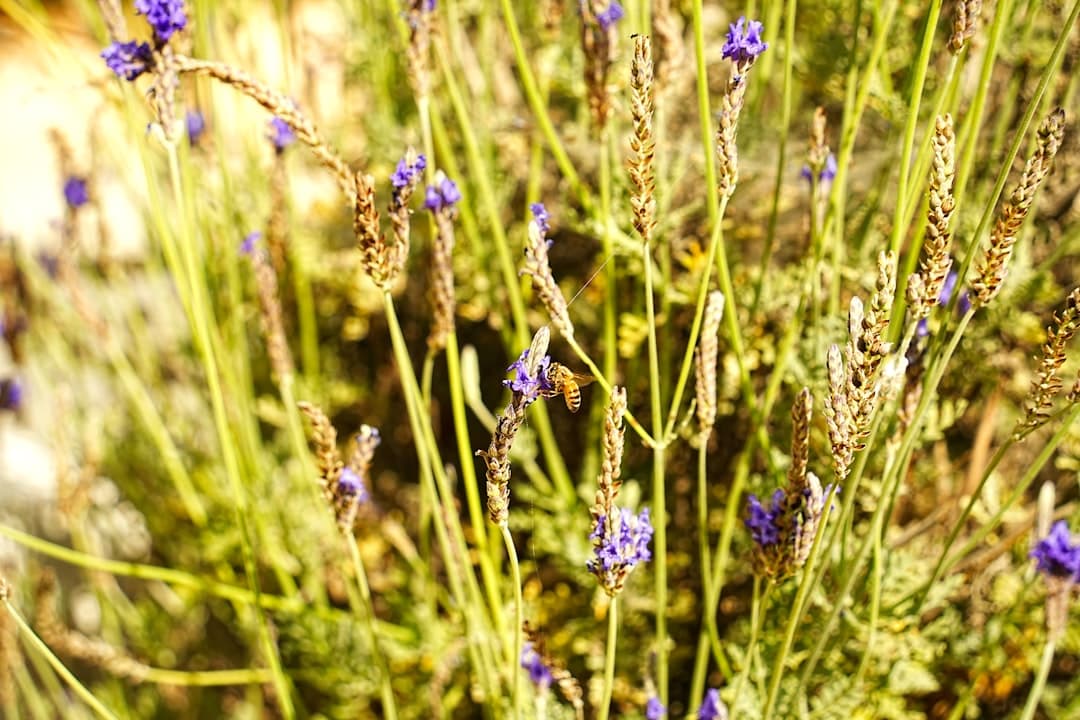
Maintaining a thriving garden in Cyprus requires understanding the unique challenges of our Mediterranean climate, from scorching summers reaching 40°C to mild winters with occasional frost. Cyprus garden maintenance isn't just about weekly watering—it's about creating a sustainable ecosystem that works with our limestone-rich soil, water scarcity, and intense UV exposure year-round.
After more than a decade of designing and maintaining luxury gardens across Paphos and beyond, we've learned that successful Mediterranean gardening comes down to timing, plant selection, and working with nature rather than against it. Whether you're tending to established olive groves or nurturing a newly planted bougainvillea hedge, the key lies in understanding what your garden needs in each season.
Understanding Cyprus's Unique Growing Conditions
Cyprus operates primarily in USDA hardiness zone 10b, which means our gardens face distinct challenges that differ dramatically from northern European or North American growing guides. Our alkaline soil pH typically ranges from 7.5 to 8.5, thanks to the island's limestone foundation, making it essential to choose plants that thrive in these conditions rather than fighting to acidify the soil.
The most critical factor in Cyprus garden maintenance is water management. With annual rainfall averaging just 300-400mm in coastal areas like Paphos, and most precipitation occurring between November and March, your irrigation strategy becomes the backbone of garden health. We've found in our projects that gardens require 60-80% less water when planted with appropriate Mediterranean species compared to those featuring non-native plants.
Key environmental factors to consider include:
- Summer temperatures: Regular highs of 35-40°C from June through September
- Winter lows: Rarely below 5°C, but occasional frost in inland areas
- Wind exposure: Strong meltemi winds during summer months
- Soil drainage: Often excellent due to rocky substrate, but can be too fast-draining
- Salt exposure: Coastal gardens face additional challenges from sea spray
Spring Garden Maintenance (March-May)
Spring marks the most active period for Cyprus garden maintenance, as this is when you'll establish the foundation for surviving the upcoming summer heat. Begin your spring routine in early March when soil temperatures consistently reach 15°C, signaling that root systems are ready to absorb nutrients effectively.
Your primary focus should be deep watering 2-3 times per week rather than daily light watering, encouraging roots to grow deeper and become more drought-resistant. For established Mediterranean plants like rosemary, lavender, and sage, reduce watering frequency to once weekly, as these species prefer slightly dry conditions.
Essential spring maintenance tasks include:
- Pruning summer-flowering shrubs like oleander and hibiscus before new growth begins
- Applying organic mulch around plant bases to retain moisture and regulate soil temperature
- Fertilizing with slow-release granules specifically formulated for alkaline soils
- Planting heat-tolerant annuals such as portulaca, vinca, and marigolds
- Installing or updating drip irrigation systems before peak summer demand
We recommend focusing your spring planting efforts on drought-resistant perennials that establish quickly, such as Palestinian sage (Salvia palestina), which produces stunning blue flowers while requiring minimal water once established. Similarly, spring is ideal for planting citrus trees, as they'll have several months to develop strong root systems before facing summer stress.
Summer Survival Strategies (June-August)
Summer garden maintenance in Cyprus shifts from growth promotion to damage prevention and water conservation. During peak summer months, your garden's survival depends more on what you don't do than what you actively manage.
Watering should occur exclusively during early morning hours (5-7 AM) or late evening (after 8 PM) to minimize evaporation and prevent leaf scorch. For most established Mediterranean plants, deep watering twice weekly is sufficient, while newly planted specimens may require every other day until their second summer.
Critical summer maintenance practices include:
- Avoiding all pruning except deadheading spent flowers to prevent stress
- Providing temporary shade cloth (30-50% coverage) for sensitive plants during heatwaves
- Mulching heavily with gravel or organic matter to reduce soil temperature
- Monitoring for spider mites and scale insects which thrive in hot, dry conditions
- Harvesting herbs like oregano and thyme at peak potency before flowering
One technique our team has perfected is creating microclimates using strategic plant placement. Positioning heat-sensitive plants like hydrangeas on the north side of larger shrubs or walls can reduce their temperature exposure by 5-8°C during peak afternoon hours.
For lawns, if you choose to maintain grass areas, raise mowing height to 8-10cm and reduce frequency to every 10-14 days. However, we typically recommend replacing traditional lawns with Mediterranean ground covers like creeping thyme or dymondia, which require 90% less water while providing year-round coverage.
Autumn Preparation and Winter Care (September-February)
Autumn garden maintenance focuses on preparing plants for winter while taking advantage of cooler temperatures for new plantings and major projects. September through November represents the second-best planting window in Cyprus, as soil remains warm while air temperatures become more manageable.
Begin increasing watering frequency gradually in late September, as plants prepare for their main growing season during our mild winter months. This is also the optimal time for planting trees, shrubs, and perennials, allowing them to establish strong root systems during the cooler months.
Your autumn and winter maintenance schedule should include:
- Pruning spring-flowering plants like cistus and broom after their dormant period begins
- Planting cool-season vegetables such as broad beans, artichokes, and leafy greens
- Dividing overgrown perennials like agapanthus and day lilies
- Applying compost and organic matter to improve soil structure
- Planning and installing hardscaping projects during comfortable working temperatures
Winter maintenance in Cyprus is relatively minimal compared to colder climates, but protection from occasional frost remains important for tender plants. Covering young citrus trees, bougainvillea, and tropical species with horticultural fleece during cold snaps (typically 2-3 nights per winter) prevents damage that could take months to recover from.
This is also the ideal season for major landscape renovations, as our team can work efficiently without extreme heat stress, and plants face minimal transplant shock when moved during their natural growing period. If the garden has solar lighting, winter is the moment to give its short maintenance list a look; do solar garden lights need maintenance covers the honest three items.
Plant Selection for Low-Maintenance Success
The foundation of successful Cyprus garden maintenance lies in choosing plants that naturally thrive in Mediterranean conditions rather than fighting to maintain unsuitable species. After decades of experience across diverse Paphos properties, we've identified key characteristics that indicate a plant's long-term success in our climate.
Native and adapted Mediterranean species require 70-80% less maintenance than plants from other climate zones, while providing superior drought tolerance, pest resistance, and year-round appeal. Focus your garden around proven performers that have evolved to handle alkaline soils, intense sun, and irregular rainfall patterns.
Top low-maintenance plant categories for Cyprus gardens include:
- Aromatic herbs: Rosemary, lavender, sage, oregano, and thyme
- Drought-tolerant shrubs: Oleander, cistus, teucrium, and phlomis
- Structural trees: Olive, carob, pine, and cypress species
- Colorful perennials: Bougainvillea, lantana, and pelargonium
- Ground covers: Gazania, portulaca, and Mediterranean spurge
When selecting new plants, prioritize those with silver or gray foliage, waxy leaf surfaces, or aromatic oils—these adaptations indicate natural heat and drought tolerance. Avoid plants requiring acidic soil, consistent moisture, or protection from intense sunlight, as these will demand constant intervention to survive.
Consider visiting our plant AI tool to get personalized recommendations based on your specific garden conditions and maintenance preferences, or explore our our recent work to see how these principles translate into stunning real-world landscapes.
Frequently Asked Questions
How often should I water my Cyprus garden during summer?
Water established Mediterranean plants deeply 2-3 times per week during early morning or evening hours. Newly planted specimens require more frequent watering (every 2-3 days) until their second summer. Avoid daily light watering, which encourages shallow root development and increases drought vulnerability.
What are the best months for planting in Cyprus?
October through April represents the optimal planting window for most species in Cyprus. Plant trees and shrubs between October and February, while spring annuals can be planted from February through April. Avoid planting during May through September unless you can provide intensive care and protection.
Which plants should I avoid in a Cyprus garden?
Avoid plants requiring acidic soil, consistent moisture, or cool temperatures, such as rhododendrons, azaleas, hostas, and most lawn grasses. These species will struggle in our alkaline soil and dry summer conditions, requiring excessive water and maintenance to survive.
How can I reduce my garden's water consumption?
Replace thirsty plants with Mediterranean natives, install drip irrigation, and apply thick mulch layers around plant bases. Grouping plants with similar water needs together and creating shade with larger plants also significantly reduces overall water requirements while maintaining garden beauty.
Whether you're establishing a new Mediterranean landscape or optimizing an existing garden for lower maintenance, the key lies in working with Cyprus's natural conditions rather than against them. Our experienced team has helped countless Paphos residents create stunning, sustainable gardens that thrive year-round with minimal intervention.
Plenty of the calendar above is well within reach of a hands-on owner, and some of it really is not. If you are weighing that up, we have set out which garden jobs are worth doing yourself and which are worth handing over, including the tasks where a mistake costs more than the visit would have.
Ready to transform your outdoor space into a low-maintenance Mediterranean paradise? Explore our comprehensive services or get in touch to discuss how we can help you achieve the garden of your dreams while respecting our island's unique environmental conditions.
Green Planet Gardening
Luxury garden design, construction, and maintenance across Cyprus. Founded by the Knodaritis brothers with over a decade of Mediterranean landscaping excellence.
Book a free consultation →Continue Reading
 Garden Care
Garden Maintenance Contract Cyprus
4 min read
 Garden Care
Limassol Garden Maintenance Calendar
4 min read
 Garden Care
Red Palm Weevil Limassol Guide
4 min read