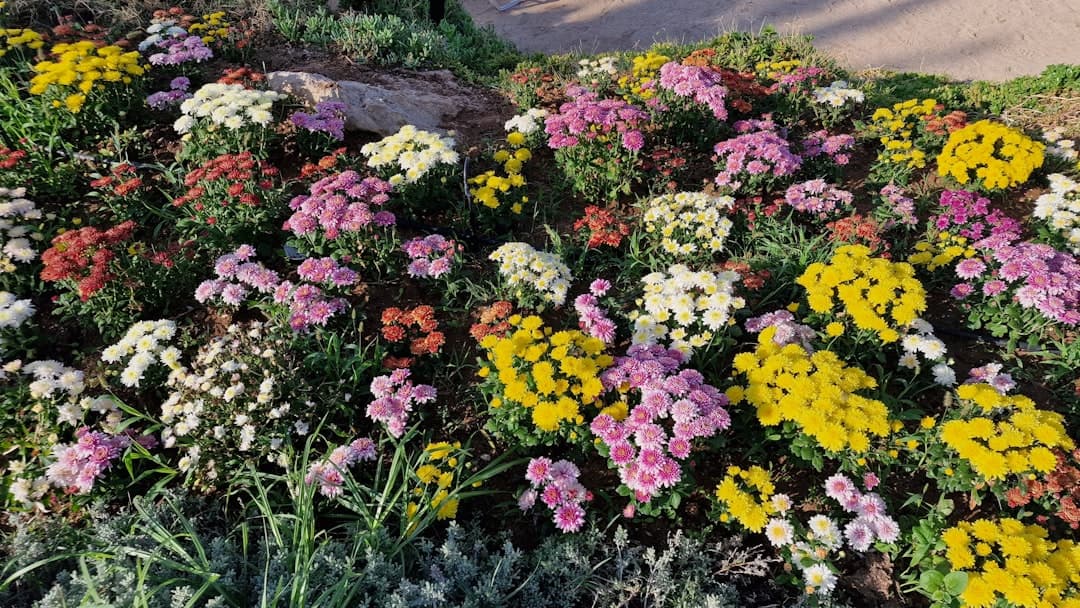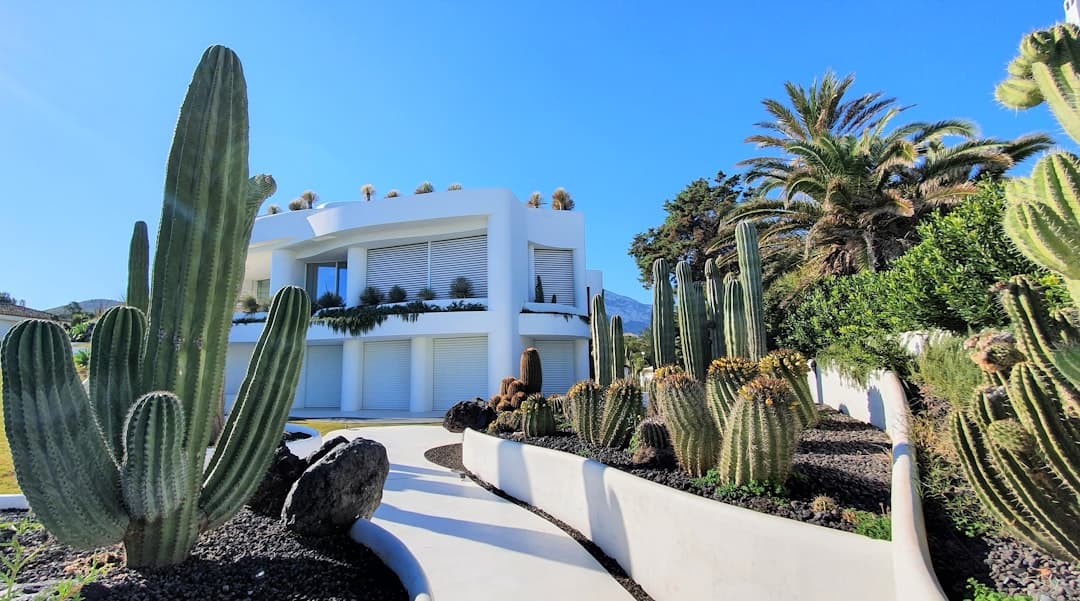
Creating a thriving Mediterranean garden in Cyprus requires selecting the best plants for Mediterranean gardens that can withstand our island's intense summer heat, alkaline limestone soil, and water scarcity challenges. After three decades of designing luxury landscapes across Paphos and beyond, we've identified the most resilient and beautiful species that flourish in Cyprus's USDA zone 10b climate.
Whether you're planning a complete landscape transformation or simply want to add some reliable performers to your existing garden, this guide will help you choose plants that not only survive but truly thrive in our unique Mediterranean environment.
Understanding Cyprus's Unique Growing Conditions
Cyprus presents specific challenges that make plant selection crucial for garden success. Our climate combines intense summer heat reaching 40°C, minimal rainfall from June to September, and predominantly alkaline limestone soil with pH levels between 7.5-8.5.
The island experiences two distinct growing seasons: a mild, wet winter from November to March, and a hot, dry summer that can stress even the most resilient plants. Wind exposure, particularly the dry northeastern winds, adds another layer of complexity to plant selection.
Key environmental factors to consider:
- Summer temperatures: 35-40°C (95-104°F) regularly
- Annual rainfall: 300-600mm, mostly October-March
- Soil type: Limestone-based, well-draining, alkaline
- Humidity: Low during summer months
- Sun exposure: Intense UV radiation year-round
Understanding these conditions has shaped our approach to selecting plants that don't just survive, but create stunning, low-maintenance landscapes for our clients.
Top Drought-Resistant Trees for Cyprus Gardens
Olive trees (Olea europaea) and carob trees (Ceratonia siliqua) are the backbone of successful Mediterranean landscaping in Cyprus, providing structure, shade, and year-round beauty while requiring minimal water once established.
The olive tree remains our most recommended choice for Cyprus gardens. These ancient beauties thrive in limestone soil, tolerate extreme heat, and their silvery foliage creates stunning contrast against darker plants. Varieties like 'Picual' and 'Koroneiki' perform exceptionally well, requiring water only 2-3 times per month during summer after their second year.
Carob trees excel as shade providers, reaching 8-10 meters while maintaining an attractive rounded canopy. Their deep root system makes them incredibly drought-tolerant, and they produce interesting pods that add textural interest to the landscape.
Other exceptional tree choices include:
- Pomegranate (Punica granatum): Beautiful flowers, edible fruit, water needs 1-2 times weekly
- Fig trees (Ficus carica): Fast-growing, productive, extremely heat-tolerant
- Cypress (Cupressus sempervirens): Vertical accent, wind-resistant, minimal water requirements
- Pine (Pinus brutia): Native species, excellent wind tolerance, aromatic
We've found that planting trees during October-November allows root establishment before summer stress, significantly improving survival rates in our projects.
Heat-Tolerant Shrubs and Perennials
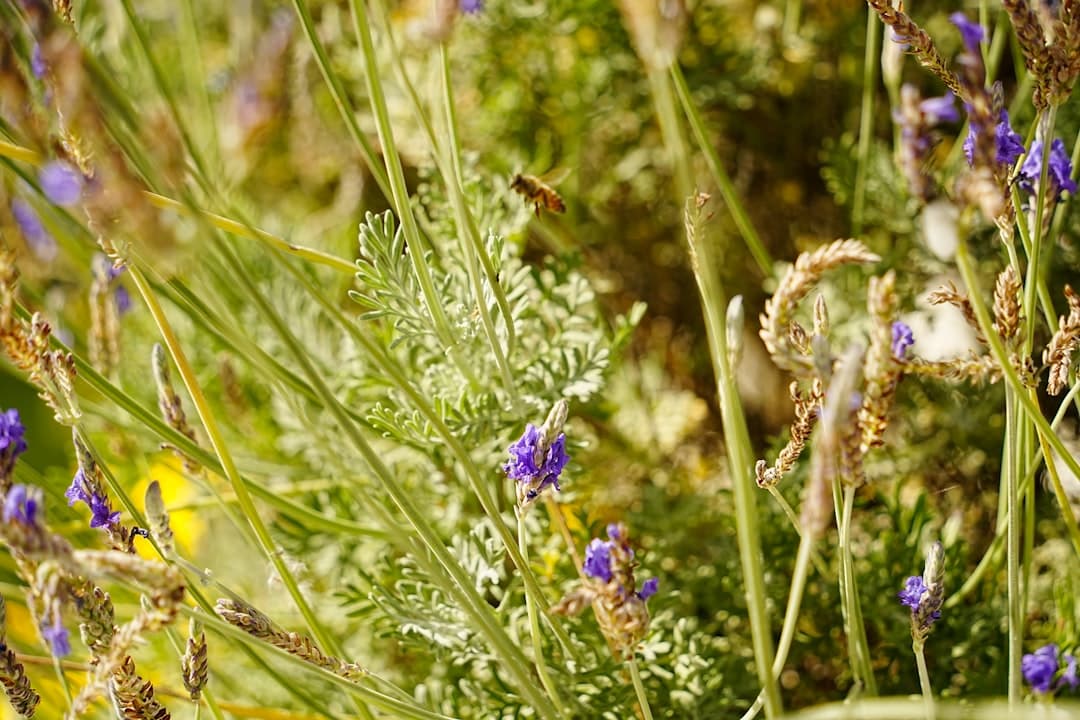
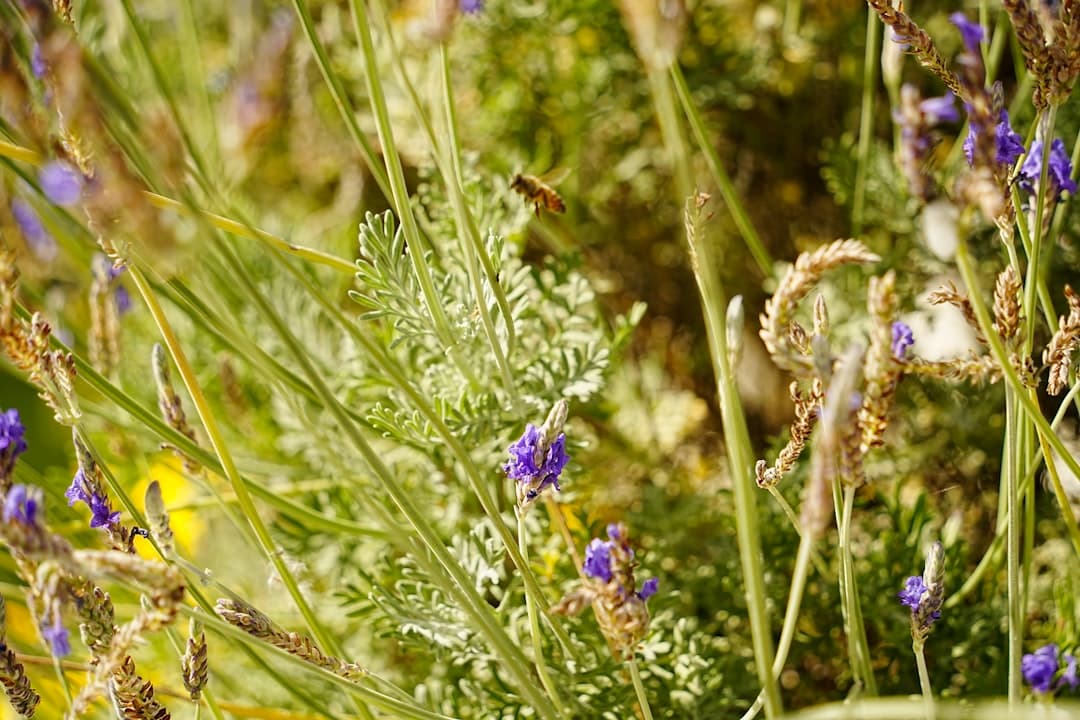
Lavender (Lavandula species) and rosemary (Rosmarinus officinalis) form the foundation of Mediterranean shrub plantings, offering fragrance, color, and incredible heat tolerance while thriving in Cyprus's alkaline soil conditions.
Lavender varieties perform exceptionally well in our climate, with 'Hidcote' and 'Munstead' providing compact growth and intense purple blooms from May through July. These plants require watering only once weekly during peak summer and actually prefer our limestone soil conditions.
Bougainvillea thrives in Cyprus's USDA zone 10b climate, creating spectacular displays of papery bracts in vibrant colors. These vigorous climbers need support structures but reward gardeners with months of continuous color while requiring minimal water—just 2-3 deep waterings per week during summer.
Outstanding perennial performers include:
- Santolina (Santolina chamaecyparissus): Silver foliage, yellow button flowers, extremely drought-tolerant
- Cistus (Cistus species): Paper-thin flowers, resinous fragrance, zero summer watering needed
- Salvia (Salvia species): Continuous blooms, attracts beneficial insects, water 2 times weekly
- Phlomis (Phlomis fruticosa): Jerusalem sage with architectural seed heads, native to Mediterranean
Our team has observed that grouping plants with similar water needs creates more efficient irrigation zones and healthier plant communities that support each other through challenging summer months.
Native Cyprus Plants for Authentic Mediterranean Style
Cyprus's native flora offers the most reliable and authentic choices for Mediterranean gardens, having evolved specifically for our island's challenging conditions over thousands of years.
Teucrium fruticans (tree germander) stands out as an exceptional native choice, producing silvery-gray foliage and delicate blue flowers while requiring absolutely no supplemental watering once established. This shrub reaches 1-2 meters and provides excellent structure in mixed plantings.
Wild thyme (Thymus capitatus) creates fragrant groundcover that releases aromatic oils when walked upon. This native herb produces tiny white flowers beloved by bees and requires zero maintenance once established in well-draining soil.
Essential native plants for authentic Cyprus gardens:
- Styrax officinalis: Storax tree with fragrant white flowers, extremely rare and special
- Pistacia lentiscus: Mastic tree, evergreen with interesting berries
- Rhamnus oleoides: Buckthorn with small glossy leaves, bird-friendly berries
- Asphodelus aestivus: Asphodel with dramatic white flower spikes in spring
We often incorporate these natives into our gallery projects because they create landscapes that feel genuinely connected to Cyprus's natural heritage while requiring minimal resources to maintain.
Creating Water-Wise Garden Designs
Successful Mediterranean garden design in Cyprus centers on grouping plants by water requirements and creating microclimates that maximize moisture retention while working with our challenging summer conditions.
The key principle involves placing the most water-dependent plants in naturally cooler, more protected areas while positioning drought-tolerant species in full sun exposure. This approach, called hydrozoning, can reduce overall water consumption by 40-50% compared to mixed plantings.
Mulching becomes critical for water conservation, but traditional organic mulches decompose too quickly in our heat. We recommend using locally sourced limestone gravel or decomposed granite, which reflects heat while preventing evaporation and suppressing weeds.
Effective water-wise design strategies:
- Create shade: Use trees and tall shrubs to protect smaller plants
- Install drip irrigation: Delivers water directly to root zones, reducing waste by 60%
- Design swales: Capture and direct rainwater to planted areas
- Choose appropriate groundcovers: Replace water-hungry grass with Mediterranean alternatives
- Position windbreaks: Protect plants from desiccating winds using native shrubs
Our experience with luxury landscapes has shown that well-designed Mediterranean gardens actually become more beautiful and easier to maintain as they mature, unlike high-maintenance landscapes that require constant intervention.
Frequently Asked Questions
What are the most drought-resistant plants for Cyprus gardens?
Olive trees, lavender, rosemary, and bougainvillea top the list of drought-resistant plants for Cyprus. These species can survive on rainfall alone after establishment, typically requiring 2-3 years to develop deep root systems. Native plants like Teucrium fruticans and wild thyme need absolutely no supplemental watering once established.
When is the best time to plant Mediterranean gardens in Cyprus?
October through November provides optimal planting conditions in Cyprus, allowing plants to establish root systems during mild, wet winter months before facing summer stress. Avoid planting from June through September when heat stress significantly reduces survival rates, even with careful watering.
How often should I water Mediterranean plants during Cyprus summers?
Most established Mediterranean plants need deep watering 2-3 times per week during peak summer months in Cyprus. Water early morning or evening to minimize evaporation, applying water slowly to penetrate deeply rather than frequent shallow watering. Native plants and well-established trees may need watering only once weekly or less.
Which plants should I avoid in Cyprus Mediterranean gardens?
Avoid plants requiring acidic soil, high humidity, or constant moisture, including azaleas, rhododendrons, hostas, and most lawn grasses. These plants struggle in Cyprus's alkaline limestone soil and dry summer conditions, requiring excessive water and often failing despite intensive care.
Ready to transform your outdoor space with beautiful, water-wise Mediterranean plantings? Our experienced team specializes in creating stunning landscapes that thrive in Cyprus's unique climate. Explore our services to learn about our comprehensive design and installation offerings, or get in touch to discuss your specific garden goals with our Mediterranean gardening experts.
Green Planet Gardening
Luxury garden design, construction, and maintenance across Cyprus. Founded by the Knodaritis brothers with over a decade of Mediterranean landscaping excellence.
Book a free consultation →