
Creating a stunning garden in Cyprus doesn't mean battling against nature's constraints—it means embracing them. With our island's drought-resistant plants perfectly adapted to Mediterranean conditions, you can cultivate breathtaking landscapes that flourish with minimal water while celebrating Cyprus's unique climate and terrain.
After three decades of designing gardens across Paphos and beyond, our team has witnessed firsthand how the right plant selection transforms challenging conditions into opportunities for extraordinary beauty. In this guide, you'll discover which species thrive in our limestone-rich soil, how to work with Cyprus's USDA zone 10b climate, and practical techniques for establishing a water-wise garden that remains vibrant year-round.
Understanding Cyprus's Unique Growing Conditions
Cyprus presents a distinctive set of environmental factors that make drought-resistant plants not just preferable, but essential for sustainable gardening. Our Mediterranean climate delivers hot, dry summers with temperatures regularly exceeding 35°C and minimal rainfall from June through September.
The island's predominant limestone geology creates alkaline soil with pH levels typically ranging from 7.5 to 8.5. This alkaline environment, combined with excellent drainage, actually favors many Mediterranean natives while challenging plants adapted to acidic conditions. Understanding these fundamentals helps explain why certain species flourish here while others struggle despite adequate care.
Water scarcity remains a persistent reality across Cyprus, with annual precipitation averaging just 400-500mm in coastal areas. This constraint has shaped our approach to garden design, leading us toward species that have evolved sophisticated water conservation mechanisms. These adaptations include:
- Waxy or silver-colored foliage that reflects heat
- Deep taproot systems accessing groundwater
- Succulent leaves storing moisture reserves
- Reduced leaf surface area minimizing transpiration
Top Native and Adapted Drought-Resistant Plants
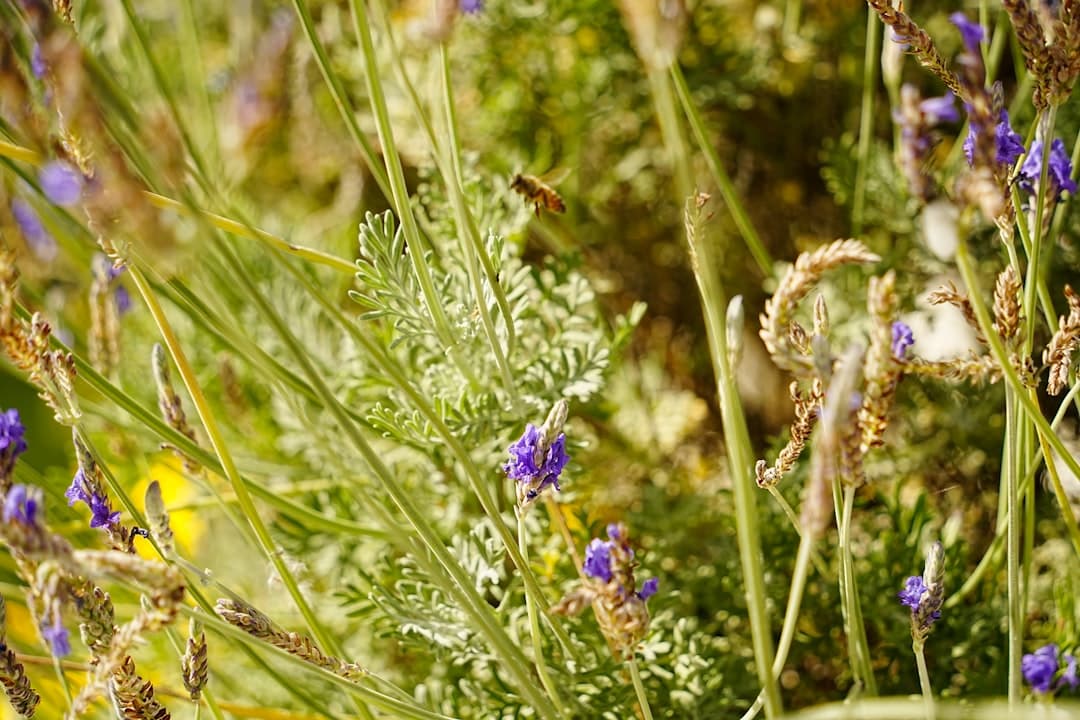
Lavandula stoechas (French Lavender) stands as one of our most reliable performers in Cyprus gardens. This compact shrub requires watering only once weekly during establishment, then thrives on rainfall alone. Its distinctive purple flower spikes bloom from March through June, attracting beneficial pollinators while releasing aromatic oils that deter pests naturally.
For dramatic architectural presence, Euphorbia characias delivers year-round structure with its blue-green foliage and chartreuse spring blooms. This Mediterranean native tolerates our alkaline soil exceptionally well and requires watering just 2-3 times monthly during summer once established.
Rosmarinus officinalis (Rosemary) offers both culinary value and ornamental beauty, developing into substantial shrubs reaching 1.5 meters in height. We've observed that the prostrate varieties work particularly well for slope stabilization in our hillside projects, requiring no supplemental irrigation after the first growing season.
Among flowering perennials, Salvia fruticosa (Greek Sage) provides spectacular displays of purple-blue flowers while thriving in Cyprus's challenging conditions. This native species actually performs better with minimal water, producing more concentrated essential oils and denser flower clusters when stressed slightly.
Cistus species deserve special mention for their remarkable drought tolerance and stunning spring blooms. Cistus creticus and Cistus salviifolius both occur naturally across Cyprus and establish quickly in disturbed soils, making them excellent choices for new construction sites.
Creating Water-Wise Garden Designs
Successful Mediterranean gardening begins with thoughtful placement that works with natural water patterns rather than against them. We design gardens using elevation changes to direct precious rainfall toward planted areas, creating subtle berms and swales that capture and infiltrate water efficiently.
Grouping plants by water requirements proves essential for efficient irrigation management. We typically establish three distinct zones: drought-tolerant natives requiring no summer irrigation, adapted Mediterranean species needing monthly deep watering, and accent plants requiring weekly attention during peak summer months.
Mulching strategies make dramatic differences in water retention across our projects. A 7-10cm layer of locally sourced stone mulch or composted olive pomace reduces soil evaporation by up to 70% while gradually improving soil structure. Unlike organic mulches that decompose rapidly in our intense heat, mineral mulches provide permanent benefits.
Microclimates within gardens offer opportunities to expand plant possibilities. North-facing walls and areas shaded by established trees can support species requiring slightly more moisture, while south-facing slopes become perfect locations for the most drought-adapted specimens.
Strategic use of hardscaping elements—limestone retaining walls, gravel pathways, and decorative stone features—reduces overall planted area while creating stunning visual impact. These elements also moderate soil temperatures and provide thermal mass that moderates temperature fluctuations.
Seasonal Care and Maintenance Tips
Spring establishment (March through May) represents the optimal planting window for drought-resistant species in Cyprus. Cooler temperatures and occasional rainfall allow root systems to develop before facing summer stress. During this period, water newly planted specimens twice weekly, applying 15-20 liters per square meter.
Summer maintenance focuses on deep, infrequent watering rather than frequent shallow applications. We recommend watering established drought-tolerant plants every 10-14 days, soaking the root zone thoroughly to encourage deep root development. Early morning irrigation (5-7 AM) minimizes evaporation losses and reduces disease pressure.
Pruning timing significantly impacts plant health and water efficiency. Most Mediterranean shrubs benefit from light pruning immediately after flowering, typically May through June. This timing allows plants to develop new growth before winter while avoiding stress during peak summer heat.
Autumn preparation involves reducing irrigation frequency as temperatures moderate and rainfall returns. September marks the beginning of our second planting season, though spring establishment generally proves more successful for drought-adapted species.
Fertilization requires restraint with drought-resistant plants, as excessive nutrients can reduce drought tolerance while promoting soft growth vulnerable to heat stress. We apply balanced slow-release fertilizer sparingly in early spring, typically at half the manufacturer's recommended rate.
Frequently Asked Questions
Which drought-resistant plants bloom throughout Cyprus's long summer season?
Oleander (Nerium oleander) provides continuous blooms from May through October with minimal water requirements, while Lantana camara flowers persistently in hot weather. Plumbago auriculata offers delicate blue flowers from spring through autumn, requiring watering only twice monthly during peak summer. These species maintain color during the challenging July-August period when many other plants enter dormancy.
How long does it take for drought-resistant plants to become fully established in Cyprus gardens?
Most Mediterranean natives establish functional drought tolerance within 12-18 months of planting, though full maturity requires 2-3 growing seasons. During the first summer, provide supplemental irrigation every 5-7 days, reducing to every 10-14 days in the second year. By the third season, properly selected and sited plants should thrive on natural rainfall with minimal intervention.
Can drought-resistant plants survive Cyprus's occasional winter flooding and heavy rains?
Well-draining soil proves crucial for winter survival, as most drought-adapted plants tolerate water scarcity better than waterlogged conditions. Planting on slight slopes or raised beds prevents root rot during heavy winter rains. Species like Phlomis fruticosa and Teucrium fruticans handle both summer drought and winter moisture extremes effectively when drainage is adequate.
What's the best way to transition from a water-hungry garden to drought-resistant landscaping?
Gradual replacement works better than complete renovation, allowing you to observe which areas receive natural moisture and which face the greatest stress. Start by replacing the most water-demanding plants in the driest locations, then expand drought-tolerant areas over 2-3 seasons. This approach spreads costs while allowing you to learn which species perform best in your specific microclimate conditions.
Transform your Cyprus garden into a water-wise paradise that celebrates our Mediterranean heritage while addressing modern sustainability needs. Our experienced team specializes in selecting and establishing drought-resistant plants perfectly suited to local conditions. Explore our gallery to see stunning examples of water-wise landscapes, or get in touch to discuss how we can create a beautiful, sustainable garden tailored to your property's unique characteristics through our services.
Green Planet Gardening
Luxury garden design, construction, and maintenance across Cyprus. Founded by the Knodaritis brothers with over a decade of Mediterranean landscaping excellence.
Book a free consultation →Continue Reading
Best Drought-Resistant Plants for Mediterranean Gardens in Cyprus
6 min read
Best Plants for Mediterranean Gardens in Cyprus: Expert Guide to Heat-Tolerant Species
7 min read
Best Drought-Tolerant Plants for Cyprus Gardens: Mediterranean Landscaping Guide
7 min read