Winter in Cyprus offers the perfect opportunity to nurture your Mediterranean garden while temperatures remain mild and manageable. Winter garden maintenance in Cyprus differs significantly from colder climates, as our USDA zone 10b conditions allow for year-round gardening activities that would be impossible elsewhere. During these cooler months, your garden requires specific attention to pruning, soil preparation, and plant protection to ensure spectacular spring growth.
Our team has spent three decades perfecting winter maintenance techniques for Cyprus's unique limestone-rich soil and semi-arid climate. The key lies in understanding that winter here isn't about survival—it's about strategic preparation and gentle care that sets the foundation for your garden's most productive months ahead.
Essential Winter Pruning Tasks for Mediterranean Plants
Winter pruning in Cyprus should focus on dormant deciduous trees and established Mediterranean shrubs between December and February. This timing allows plants to heal before spring's vigorous growth period while avoiding the stress of summer heat.
Olive trees require annual winter pruning to maintain their characteristic shape and encourage fruit production. Remove suckers from the base, thin overcrowded branches to improve air circulation, and cut back vigorous vertical shoots to maintain the tree's natural spreading form. We've found that pruning olive trees in January yields the best results in our climate.
Citrus trees benefit from light winter pruning, focusing primarily on removing dead, diseased, or crossing branches. Avoid heavy pruning of citrus during winter, as this can stimulate new growth vulnerable to occasional cold snaps. Instead, limit pruning to:
- Removing water sprouts and suckers
- Cutting back branches that touch the ground
- Thinning dense interior growth for better light penetration
- Deadheading spent flowers on lemon trees
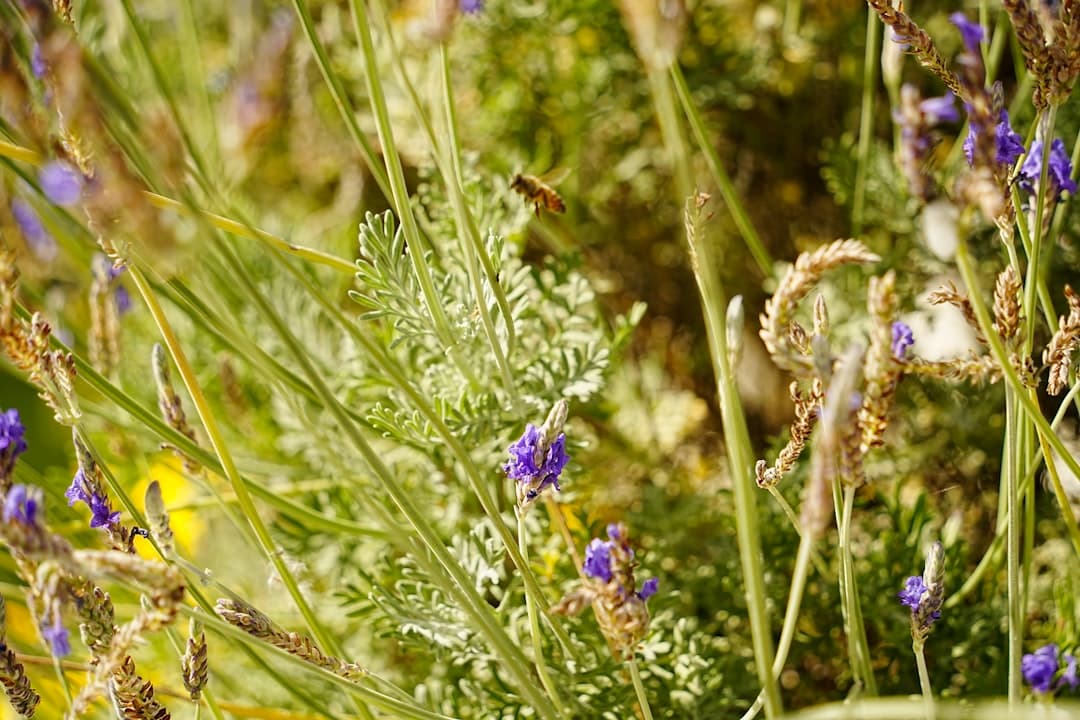
Rosemary, lavender, and other woody herbs should receive their annual trim in late winter. Cut back lavender by one-third of its height, ensuring you don't cut into old woody stems. Rosemary responds well to selective pruning of individual branches rather than overall shearing.
Soil Preparation and Improvement During Winter Months
Cyprus's alkaline limestone soil requires specific winter amendments to improve drainage and nutrient availability for the growing season. The cooler, wetter winter months provide ideal conditions for incorporating organic matter that will break down gradually.
Compost application should happen in December and January when soil moisture levels are optimal. Apply a 5-8 cm layer of well-aged compost around established plants, keeping it 15 cm away from tree trunks to prevent pest issues. The winter rains will naturally incorporate nutrients into the root zone.
Soil drainage improvement becomes critical during Cyprus's wettest months. Our limestone-based soil can become waterlogged in low-lying areas, leading to root rot in Mediterranean plants that prefer well-draining conditions. Create raised planting areas or add coarse sand and gravel to improve drainage around sensitive plants like:
- Lavender and other aromatic herbs
- Succulent collections
- Young olive and carob trees
- Native Cyprus plants like Cistus and Phlomis
pH testing and adjustment should occur every 2-3 years during winter. While most Mediterranean plants tolerate alkaline soil, some may benefit from sulfur applications to slightly lower pH. Test soil in January and apply amendments that have time to work before spring planting begins.
Plant Protection and Cold Weather Strategies
Most established Mediterranean plants in Cyprus require minimal winter protection, but young plants and tender specimens need strategic care during occasional cold spells. Our experience shows that preparation prevents damage better than reactive measures.
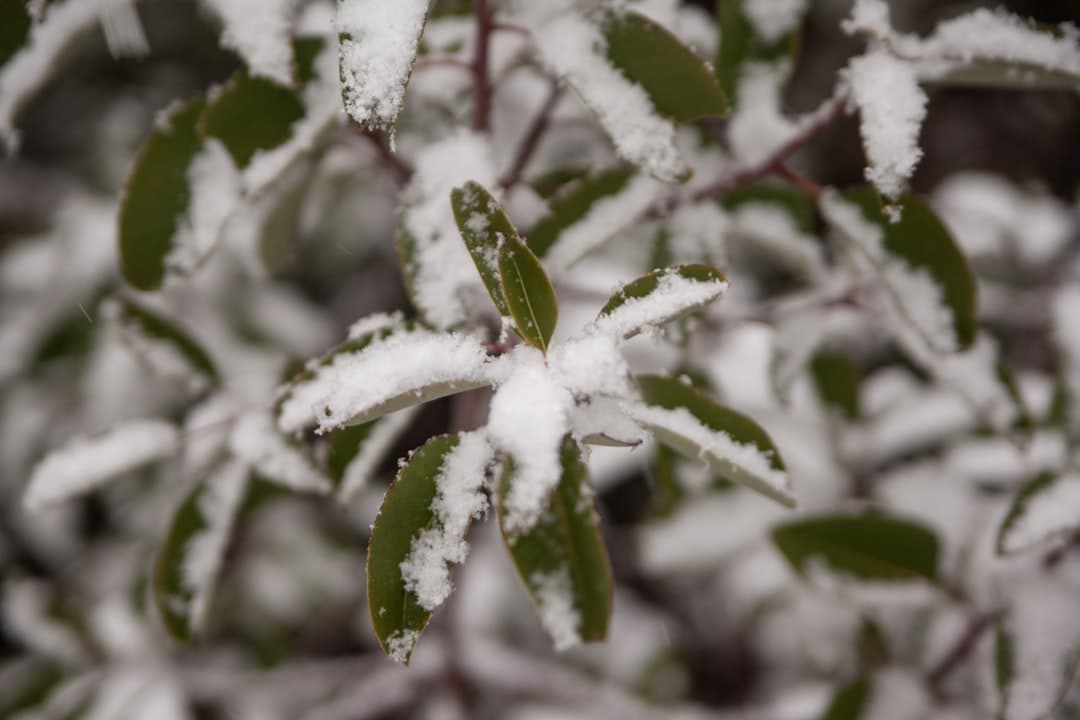
Frost protection becomes necessary when temperatures drop below 2°C, which can occur 3-5 nights per winter in inland areas. Protect vulnerable plants using:
- Horticultural fleece for young citrus trees and tropical plants
- Mulch around the base of tender perennials
- Temporary windbreaks for newly planted specimens
- Moving container plants to sheltered locations
Bougainvillea and other frost-sensitive climbers may experience leaf drop during cold periods, but established plants typically recover quickly. Avoid pruning cold-damaged growth until spring when you can assess actual damage versus temporary stress.
Watering adjustments are crucial during winter months. Reduce watering frequency to once every 10-14 days for established plants, allowing soil to dry between waterings. Container plants require more frequent monitoring, as winter rains may be insufficient for their needs.
Winter Planting Opportunities in Cyprus
Winter offers excellent planting conditions for many Mediterranean species, taking advantage of natural rainfall and cooler temperatures that reduce transplant shock. Plant establishment during winter months requires 50% less supplemental watering compared to spring or summer planting.
Bare-root trees and shrubs should be planted between December and February. This includes:
- Native Cyprus oak (Quercus alnifolia)
- Carob trees (Ceratonia siliqua)
- Pomegranate varieties
- Deciduous fruit trees like almonds and figs
Cool-season vegetables thrive when planted in winter for spring harvest. Broad beans, peas, and artichokes planted in December will produce abundant crops by April. Winter lettuce, spinach, and radishes can be succession planted every 3 weeks for continuous harvests.
Wildflower meadows established in winter using native Cyprus species create spectacular spring displays while requiring minimal water once established. Scatter seeds of Anemone coronaria, Cyclamen persicum, and Narcissus tazetta in prepared areas during December rains.
For comprehensive guidance on plant selection and garden design that works with Cyprus's climate, explore our services where we combine decades of local expertise with modern sustainable practices.
Irrigation System Maintenance and Water Management
Winter provides the ideal time for irrigation system maintenance and upgrades before the demanding summer season begins. Proper system function becomes critical when temperatures soar and water restrictions may apply.
Drip irrigation cleaning should occur monthly during winter when system pressure is lower. Flush lines, clean filters, and replace worn emitters. Check for:
- Clogged drip emitters in areas with hard water
- Damaged lines from garden maintenance activities
- Timer programming adjustments for reduced winter watering needs
- Pressure regulator function and filter condition
System expansion planning can be implemented during winter when soil work is easier and plants are dormant. Consider adding zones for new planting areas or upgrading to smart controllers that adjust watering based on weather conditions.
Rainwater harvesting setup during winter captures maximum precipitation for summer use. Even simple systems collecting roof runoff can provide significant water savings for container plants and vegetable gardens during dry periods.
Our gallery showcases irrigation solutions we've implemented across various Cyprus properties, demonstrating how proper water management supports thriving Mediterranean gardens year-round.
Frequently Asked Questions
When should I prune my olive trees in Cyprus?
Prune olive trees between December and February when they're dormant. Focus on removing suckers, thinning overcrowded branches, and maintaining the tree's natural shape. Avoid pruning during active growth periods or before potential cold snaps in late November.
What vegetables can I grow during Cyprus winters?
Winter vegetables that thrive in Cyprus include broad beans, peas, lettuce, spinach, radishes, and artichokes. Plant these between November and January for spring harvests. Root vegetables like carrots and turnips also perform well when planted in winter months.
How often should I water my garden during Cyprus winters?
Water established Mediterranean plants every 10-14 days during winter, allowing soil to dry between waterings. Container plants may need weekly watering depending on rainfall. Reduce watering frequency by 60-70% compared to summer schedules.
Do I need to protect plants from frost in Cyprus?
Young plants and tender species like bougainvillea, tropical plants, and newly planted citrus trees benefit from frost protection during occasional cold spells. Use horticultural fleece, mulch, and temporary windbreaks when temperatures drop below 2°C.
Winter garden maintenance in Cyprus sets the foundation for year-round garden success. By following these seasonal practices adapted to our Mediterranean climate, you'll ensure your garden emerges from winter stronger and ready for spectacular spring growth. For personalized maintenance plans tailored to your specific property and plant collection, get in touch with our experienced team who understands the unique challenges and opportunities of Cyprus gardening.
Green Planet Gardening
Luxury garden design, construction, and maintenance across Cyprus. Founded by the Knodaritis brothers with over a decade of Mediterranean landscaping excellence.
Book a free consultation →