
Larnaca
Coastal village
Oroklini
Oroklini sits on the coast immediately north of Larnaca, a popular residential and tourist area where suburban villas mix with holiday rentals and a small but established expat community.
5 landmarks · 3 FAQs
More than a decade of luxury landscaping tailored to Larnaca's specific microclimate, soil, and character.
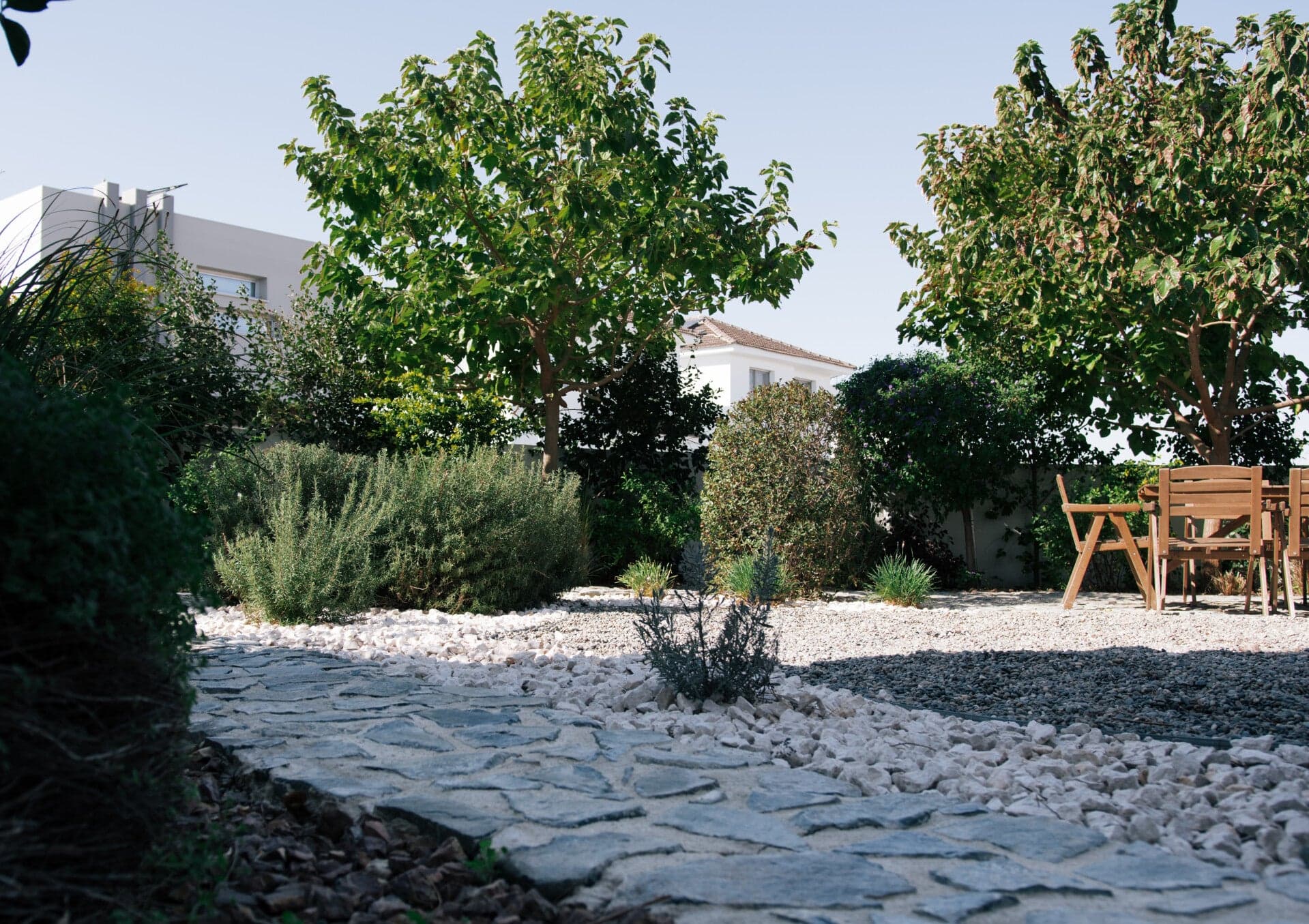
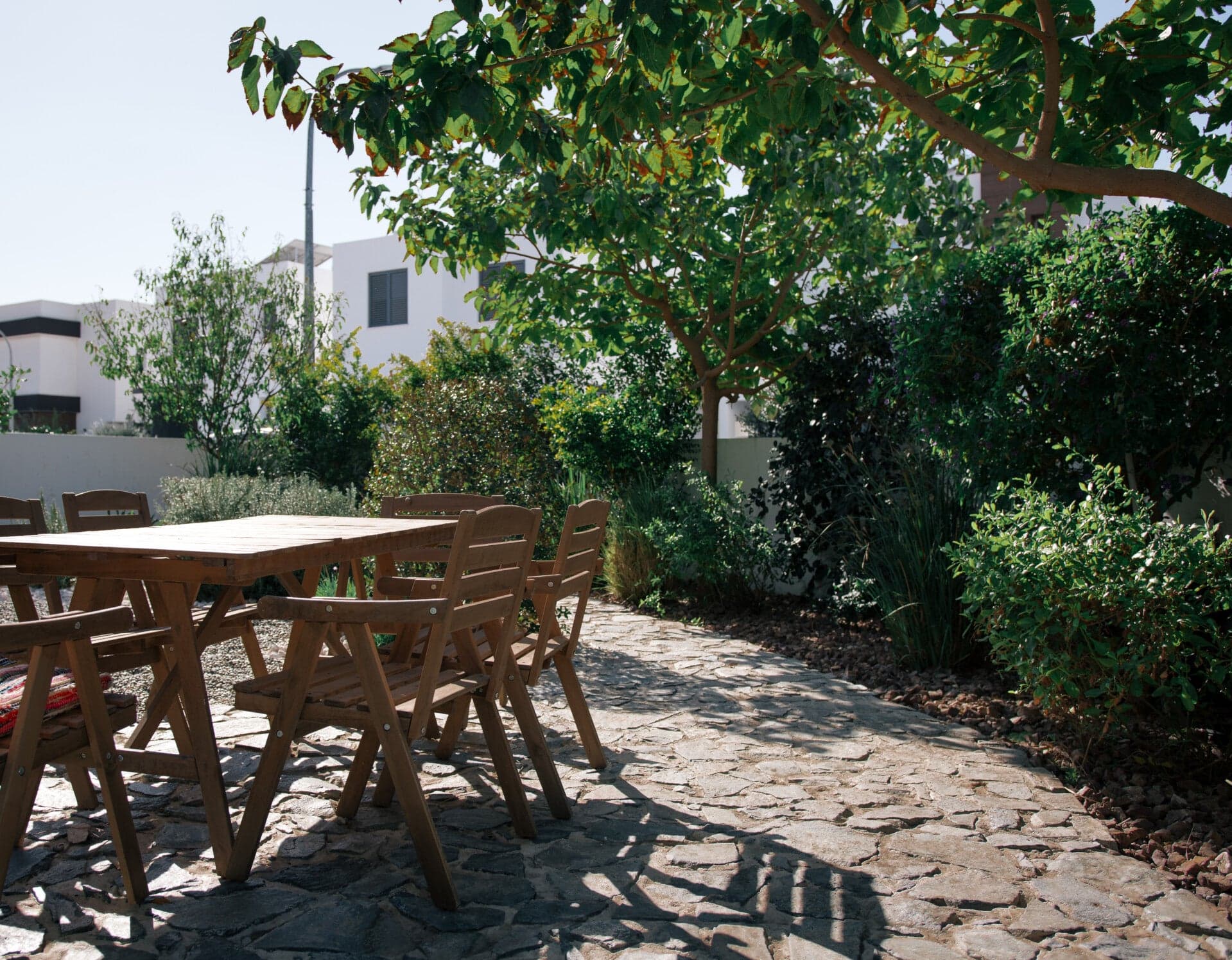
Larnaca is Cyprus's gateway city — home to the international airport, the famous Salt Lake with its winter flamingo population, and a coastal residential character distinct from both Paphos and Limassol. The microclimate here trends slightly drier than the western coast, with less humidity than Limassol and more agricultural heritage in the surrounding countryside. Larnaca gardens often have a more practical, settled feel than the show-garden aesthetic of Limassol Riviera — these are family homes, retirement properties, and working agricultural plots rather than yacht-marina trophies. Our work in Larnaca ranges across the spectrum: city villas in the Phinikoudes area, suburban family gardens in the western residential expansion, and larger inland plots near the salt lake and beyond. The lower humidity makes plant disease management easier than Limassol, and the slightly cooler winter nights enable a marginally broader palette than the western coast.
Drier than Limassol (~330mm rainfall annually), less humid summers, hot afternoons. Salt-lake area microclimate creates morning fog in winter.
Mixed alluvial and limestone soils. Coastal plots have shallower sandy soils; inland (toward the salt lake) soils are deeper and more fertile.
More than a decade of work in this microclimate has taught us what succeeds — and what to avoid.
Drier climate than the western coast — drought-tolerant plant selection becomes even more important here than in Paphos.
Salt-lake proximity creates a slightly saline groundwater issue on inland plots near the lake — we test for this and adjust planting accordingly.
Hot afternoon sun without the relief that Limassol's sea breeze provides — east-facing terraces are noticeably more comfortable than west-facing.
Wherever you are on the island, a Larnaca garden lives with the same water reality — the figures behind why local, water-wise care matters here.
Cyprus averages about 500 mm of rain a year, and from June to August rainfall is almost negligible — under 5% of the annual total. A Cyprus garden is kept alive by irrigation and design, not by summer rain.
In February 2026 Cyprus's reservoirs held just 13.7% of capacity — the lowest dam inflows since records began in 1901 — and Paphos district enforced a 30% cut in irrigation water. On the south coast, water-wise planting is no longer optional.
Figures verified against their sources ·
About our garden services in Larnaca
Yes — annual rainfall averages ~330mm in Larnaca compared to ~430mm in Paphos and Limassol. This reinforces the importance of drought-tolerant plant selection and efficient irrigation here.
Some — properties within ~1km of the lake sometimes have slightly elevated groundwater salinity. We test soil and water chemistry and select species accordingly. Outside that radius the effect is negligible.
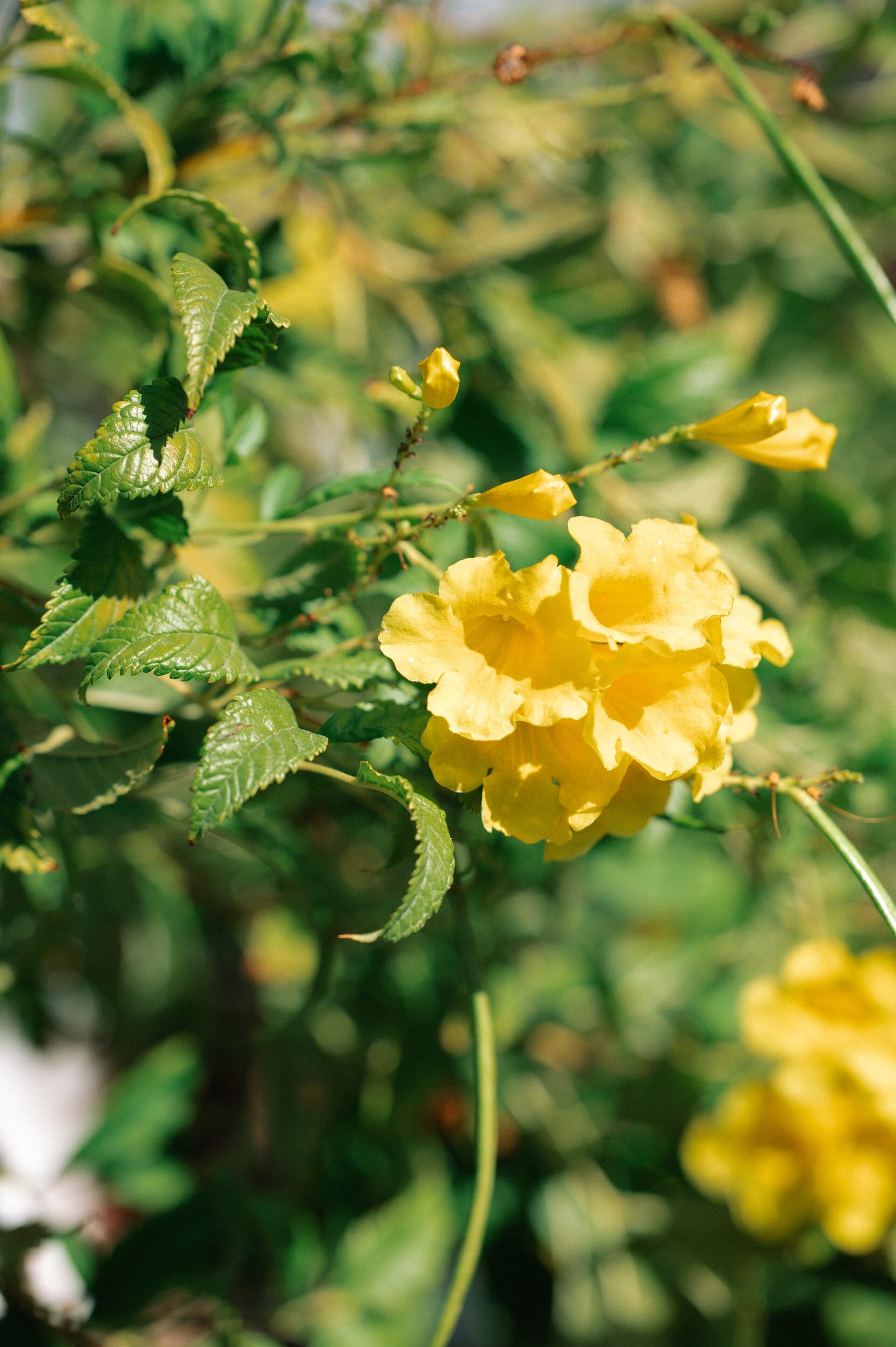
The classic Mediterranean palette is reinforced here — olive, carob, oleander, lavender, rosemary, sage, ornamental grasses. Hardier species like Phlomis, Cistus, and the tougher succulents (Agave, Aloe) also perform exceptionally well.
From a site visit rather than a fixed rate. The cost depends on plot size, access, soil, irrigation and whether it's a new build or an established garden — and inland plots near the salt lake sometimes need a drainage or salinity check first. We then send a clear, itemised proposal with no obligation.
The city and its coast — the Phinikoudes and Marina districts, the western residential expansion, Oroklini and Pyla, and the larger inland plots out toward the salt lake. Tell us where the property is and we bring the local knowledge of its soil and water conditions.
Yes — often from concept stage, so planting, drainage and irrigation are designed in before they become expensive to add. We work to your drawings, coordinate with the other trades on site, and keep the handover to your client clean.
Yes. Many Larnaca homes belong to part-year residents and expats, so continuity matters: we maintain the garden between visits, monitor irrigation, handle the seasonal work, and keep everything presentable for arrivals, guests or rentals — without you managing it from afar.
Click any other pin to compare with neighbouring service areas.
The closest locations we serve to Larnaca — useful if you have multiple properties or are comparing neighbourhoods.
Oroklini sits on the coast immediately north of Larnaca, a popular residential and tourist area where suburban villas mix with holiday rentals and a small but established expat community.
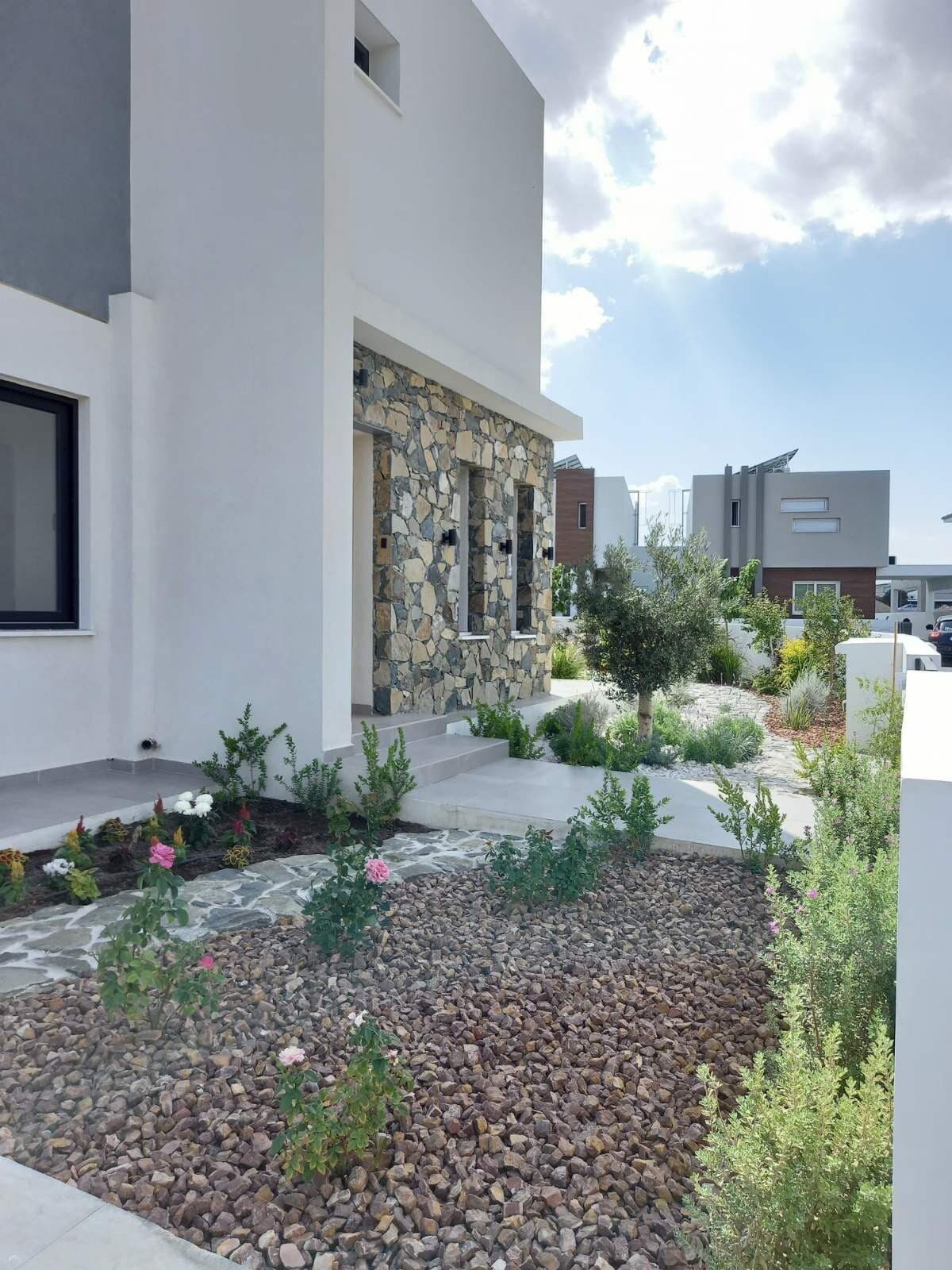
Pyla occupies a unique position in Cyprus — one of only a few villages where Greek and Turkish Cypriot communities lived together throughout the partition era, and where today the village still has a slightly different character than purely Greek-Cypriot communities.
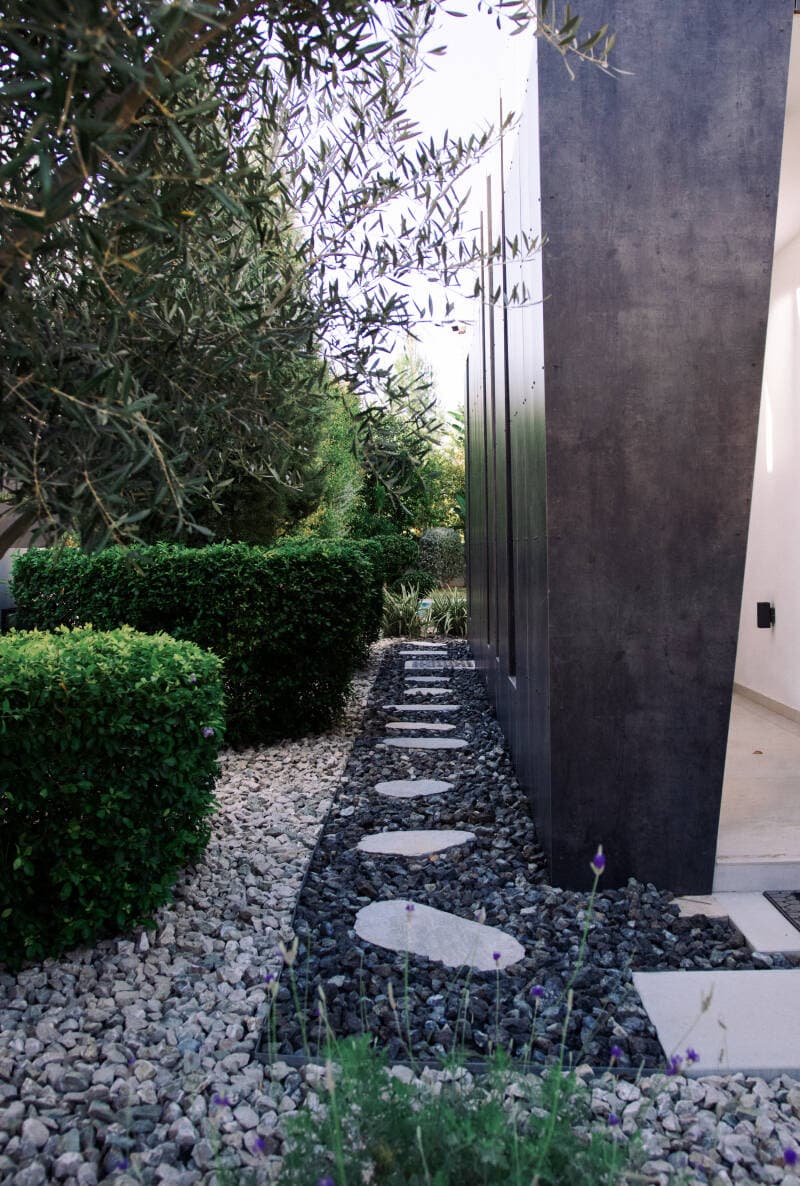
Kiti sits south of Larnaca, a coastal village whose Byzantine church (Angeloktisti, with its 6th-century mosaics) is a UNESCO-protected reminder of how deep this place's history runs.
Mazotos sits on the south coast between Larnaca and Limassol, one of Cyprus's quieter coastal villages with a strong agricultural heritage and an emerging luxury villa market for buyers wanting genuine seclusion rather than resort-style coastal life.
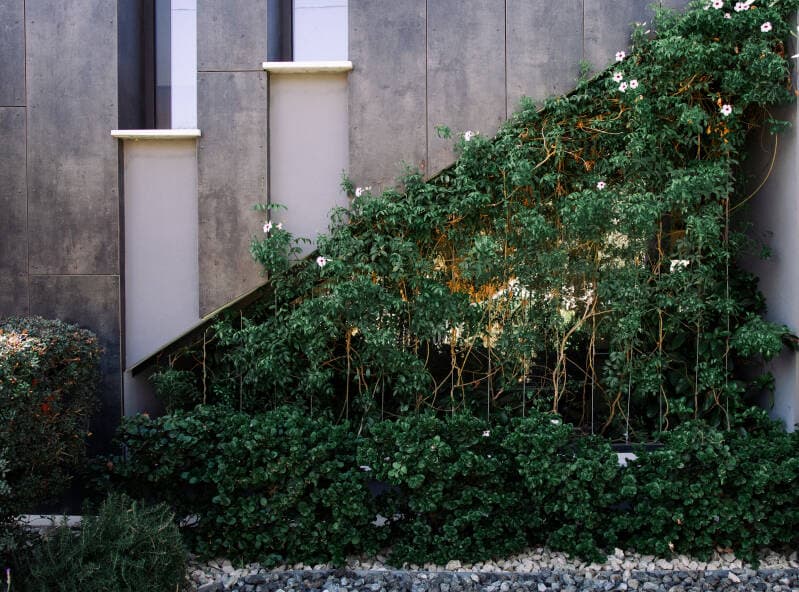
Get in touch for a consultation tailored to your Larnaca property — its Larnaca District microclimate, soil conditions, and the design you have in mind.
Request a Consultation