
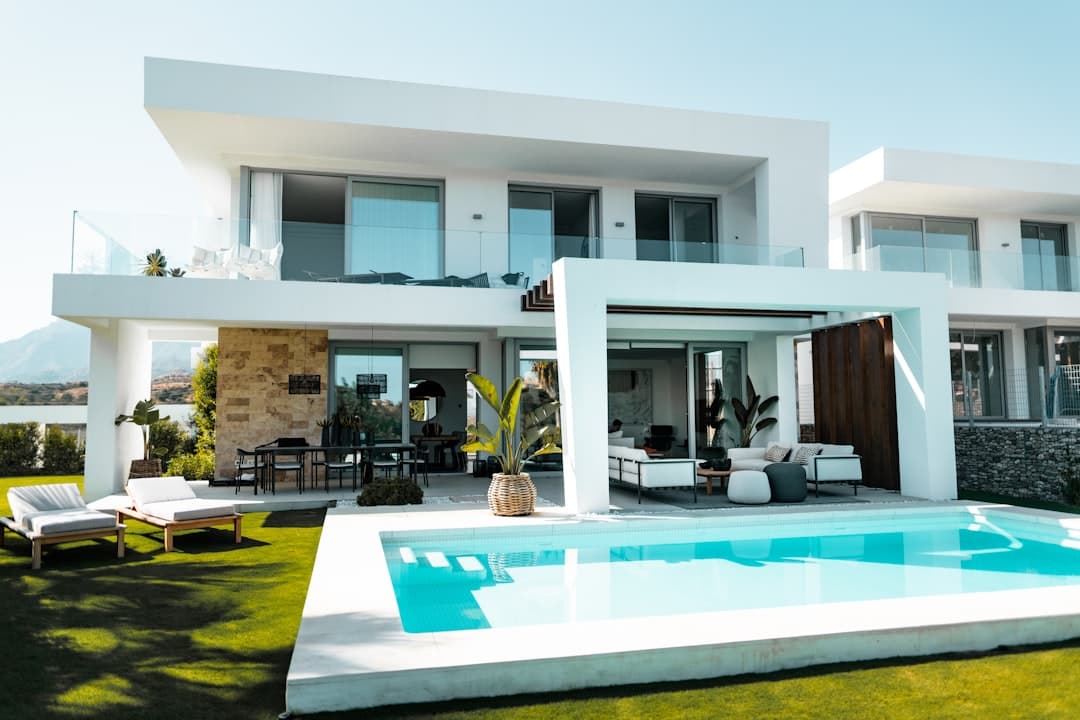
Under the relentless Cyprus sun, where summer temperatures regularly climb past 40°C and rainfall vanishes for months at a stretch, the humble lawn has become a battleground of practicality versus tradition. If you've stood in your villa garden wondering whether artificial grass vs natural lawn in Cyprus is really a fair fight, you're asking the right question — and the answer might surprise you. This isn't simply about aesthetics; it's about water bills, weekend hours, and whether that lush green carpet survives August at all.
Quick Answer: For most Cyprus villa gardens, artificial grass outperforms natural lawn in heat tolerance, water savings, and long-term maintenance costs, making it the better choice for low-upkeep, year-round green space — though natural lawn still wins on eco-credentials, natural cooling, and authentic garden feel for those willing to invest in irrigation and care.
300+
Sunny Days/Year
35°C+
Summer Peaks
500mm
Annual Rainfall
Is Artificial Grass Better Than Natural Grass in Cyprus's Climate?
The short answer: it depends on what "better" means to you, but for sheer resilience against Cyprus conditions, artificial turf has a clear edge.
Why Cyprus's Climate Changes the Equation
Cyprus receives roughly 300 sunny days a year and less than 500mm of rainfall annually — most of it concentrated in winter months. Summer temperatures routinely exceed 35°C, and soil moisture evaporates within hours of irrigation during July and August. Natural grass, particularly cool-season varieties like fescue or ryegrass, simply wasn't built for this. Even drought-tolerant Bermuda or Zoysia grass requires consistent irrigation to stay green rather than dormant-brown through peak summer.
Synthetic turf Cyprus climate performance, by contrast, is unaffected by drought, UV intensity, or irregular rainfall. Modern artificial grass products are engineered with UV-stabilized fibers specifically to resist fading and degradation under intense Mediterranean sun — a critical distinction from cheaper turf that yellows within two summers.
The Real Cost of "Green" in a Dry Climate
A natural lawn in Cyprus isn't just thirsty — it's expensive to keep alive. Between irrigation system running costs, fertilizer, pest treatments, and mowing labor, villa owners often spend more maintaining a modest 200m² lawn than they initially expect. This reality has pushed many homeowners toward xeriscaping in Cyprus principles, blending drought-resistant planting with hardscaping and turf alternatives to reduce water dependency without sacrificing curb appeal.
⚠️Important
Artificial Grass vs Natural Lawn Cyprus: A Side-by-Side Comparison
Water Consumption and Sustainability
This is where the debate is most decisive. A natural lawn of 300m² can consume upwards of 60,000-75,000 liters of water annually in Cyprus's dry season alone. Given ongoing water scarcity concerns across the island — and increasing municipal restrictions on outdoor watering during drought periods — this is no small consideration.
Artificial grass requires zero irrigation once installed. The only water needed is occasional rinsing to remove dust or pollen, a fraction of what natural turf demands. For villa owners prioritizing sustainability, this single factor often settles the debate.
🌿Eco Tip
Maintenance Time and Effort
Natural lawns demand weekly mowing during growing season, seasonal fertilization, aeration, dethatching, and vigilant pest and weed control. Add irrigation system maintenance and occasional reseeding, and you're looking at a genuine part-time commitment — or a recurring professional service cost.
Artificial turf requires occasional brushing to keep fibers upright, periodic rinsing, and infrequent infill top-ups (every 8-10 years). There's no mowing, no fertilizing, no seasonal dormancy to manage. For villa owners who travel frequently or simply want their weekends back, this is transformative.
Appearance and Feel Year-Round
Here natural grass still holds sentimental and sensory appeal — the cool, springy feel underfoot, the scent of freshly cut grass, the way it interacts with garden ecosystems. However, in Cyprus, natural lawns often go dormant or brown during peak summer unless irrigated aggressively, creating an inconsistent look through the year.
High-quality artificial grass maintains a consistent, lush green appearance in December and August alike — a significant advantage for villa properties hosting guests or rental clients year-round.
"In fifteen years of designing villa gardens across Cyprus, I've watched more clients switch to synthetic turf out of necessity than preference — water restrictions and maintenance fatigue simply make it the pragmatic choice for busy households. That said, the best gardens often blend both worlds."
Best Lawn for Cyprus Heat: Comparing Grass Types and Alternatives
Natural Grass Varieties That Survive Cyprus Summers
If you're committed to natural turf, not all grass species are equal here. Warm-season varieties significantly outperform cool-season types:
Bermuda Grass
Cynodon dactylon
Highly heat-tolerant and drought-resistant once established; the most reliable natural lawn choice for Cyprus villa gardens, though it browns in winter dormancy.
Zoysia Grass
Zoysia japonica
Dense, fine-textured lawn grass with excellent drought tolerance and slower growth, meaning less frequent mowing — ideal for Cyprus's hot, dry summers.
Both varieties require less water than fescue or ryegrass but still need consistent irrigation during establishment and peak summer months to avoid stress and thinning.
Synthetic Turf: What Quality Actually Means
Not all artificial grass is created equal, and this matters enormously in Cyprus's UV-intensive climate. Look for:
- Pile height of 30-37mm for a natural, comfortable appearance
- UV-stabilized polyethylene fibers rated for Mediterranean sun exposure
- Permeable backing with drainage holes to handle winter rainfall without pooling
- 8-10 year manufacturer warranties as an indicator of fiber durability
💡Pro Tip
Low-Maintenance Lawn Alternatives Cyprus Homeowners Are Choosing
Beyond the binary choice of grass versus turf, many villa gardens now embrace hybrid solutions: gravel gardens with drought-tolerant Mediterranean planting, clover lawns requiring less water than traditional grass, or artificial turf combined with native shrub borders. These approaches align closely with broader water-wise luxury landscaping strategies gaining popularity across the island's premium properties, where sustainability and aesthetics are no longer mutually exclusive.
Artificial Turf Installation Cost Cyprus: What to Budget For
Upfront Investment Breakdown
Artificial turf installation in Cyprus typically ranges from €35-€55 per square meter, depending on product quality, base preparation, and site complexity. This includes:
- Ground excavation and leveling (removing existing lawn or soil, roughly 5-8cm depth)
- Sub-base installation (crushed stone or sand for drainage)
- Weed membrane layer
- Turf laying, seaming, and edge securing
- Silica sand or rubber infill application
A typical 200m² villa garden lawn conversion often costs between €7,000-€11,000 — a significant upfront expense, but one that eliminates ongoing water and maintenance costs entirely.
Long-Term Cost Comparison
Natural lawn maintenance costs in Cyprus — factoring irrigation system running costs, professional mowing services, fertilization, and occasional reseeding — typically run €800-€1,500 annually for a similar-sized garden. Over a 10-year period, this can approach or exceed the initial cost of artificial turf installation, without the water savings.
💡Pro Tip
Return on Investment for Rental and Resale Properties
For villa owners renting properties or considering resale, consistent year-round curb appeal matters. Guests and potential buyers notice brown, patchy summer lawns immediately. Artificial turf's unwavering appearance can meaningfully influence rental reviews and property valuations, particularly for high-end villa listings where garden presentation reflects overall property care.
Environmental Considerations: Weighing the Real Trade-offs
The Sustainability Argument for Both Sides
Artificial grass eliminates water consumption and chemical fertilizer runoff, but it's manufactured from synthetic materials with its own carbon footprint and eventual disposal considerations at end-of-life (typically 10-15 years). Natural lawns support soil microbiology, absorb CO2, and contribute to local biodiversity — but only if maintained with restraint rather than heavy chemical intervention.
For villa owners genuinely prioritizing ecological impact, the modern answer increasingly involves reducing lawn area altogether — replacing large grass expanses with native Mediterranean planting, gravel pathways, and drought-tolerant ground cover, as detailed in approaches to smart, eco-friendly lawn care.
Heat Island Effect and Surface Temperature
One frequently overlooked factor: artificial turf surface temperatures can reach 60-70°C during peak Cyprus summer afternoons — significantly hotter than natural grass, which stays cooler through evapotranspiration. This matters for barefoot use, pets, and children playing outdoors between June and September.
⚠️Important
Finding the Middle Ground
Many of the most successful Cyprus villa gardens don't choose exclusively between artificial and natural — they zone strategically. Natural grass or clover in shaded, high-use family areas; artificial turf in decorative borders, pool surrounds, or low-traffic ornamental zones; and xeriscaped Mediterranean planting filling the rest. This hybrid approach maximizes both water savings and everyday livability.
Which Option Suits Your Villa Garden Best?
Choose Artificial Grass If You:
- Travel frequently or want minimal maintenance commitment
- Rent your property and need consistent year-round presentation
- Are in a water-restricted municipality or prioritize water conservation
- Have limited irrigation infrastructure or high water costs
Choose Natural Lawn If You:
- Have children or pets who need cooler, softer outdoor play surfaces
- Value biodiversity and soil health as part of your garden ecosystem
- Are willing to invest in proper irrigation and warm-season grass varieties
- Prefer the sensory experience and natural evolution of a living lawn
💡Pro Tip
Frequently Asked Questions
Is artificial grass better than natural grass in Cyprus's climate?
For water conservation, maintenance time, and year-round appearance, artificial grass generally outperforms natural lawn in Cyprus's hot, dry climate. However, natural grass remains preferable for surface temperature, biodiversity, and sensory garden experience, especially in shaded or family-use areas.
How much does artificial turf installation cost in Cyprus?
Artificial turf installation in Cyprus typically costs €35-€55 per square meter, including ground preparation, drainage base, and infill. A standard 200m² villa lawn conversion generally totals €7,000-€11,000 depending on product quality and site conditions.
What is the most heat-tolerant natural grass for Cyprus gardens?
Bermuda grass (Cynodon dactylon) and Zoysia grass are the most heat-tolerant natural lawn options for Cyprus, offering strong drought resistance once established, though both require irrigation during peak summer months to maintain green color.
Does artificial grass get too hot to walk on in Cyprus summers?
Yes, artificial turf surface temperatures can reach 60-70°C during peak summer afternoons in Cyprus, significantly hotter than natural grass. Cooling infill technology and partial shading can help mitigate this for barefoot use or pet comfort.
Whether you're leaning toward the water savings of synthetic turf or the timeless appeal of a living lawn, the right choice depends on your villa's specific sun exposure, usage, and long-term goals. Book a free consultation with Green Planet Gardening today, and let our landscape design team help you create a Cyprus garden that thrives beautifully, whichever path you choose.
Green Planet Gardening
Luxury garden design, construction, and maintenance across Cyprus. Founded by the Knodaritis brothers with over a decade of Mediterranean landscaping excellence.
Book a free consultation →Continue Reading
 LandscapingLandscaping
 Landscaping