
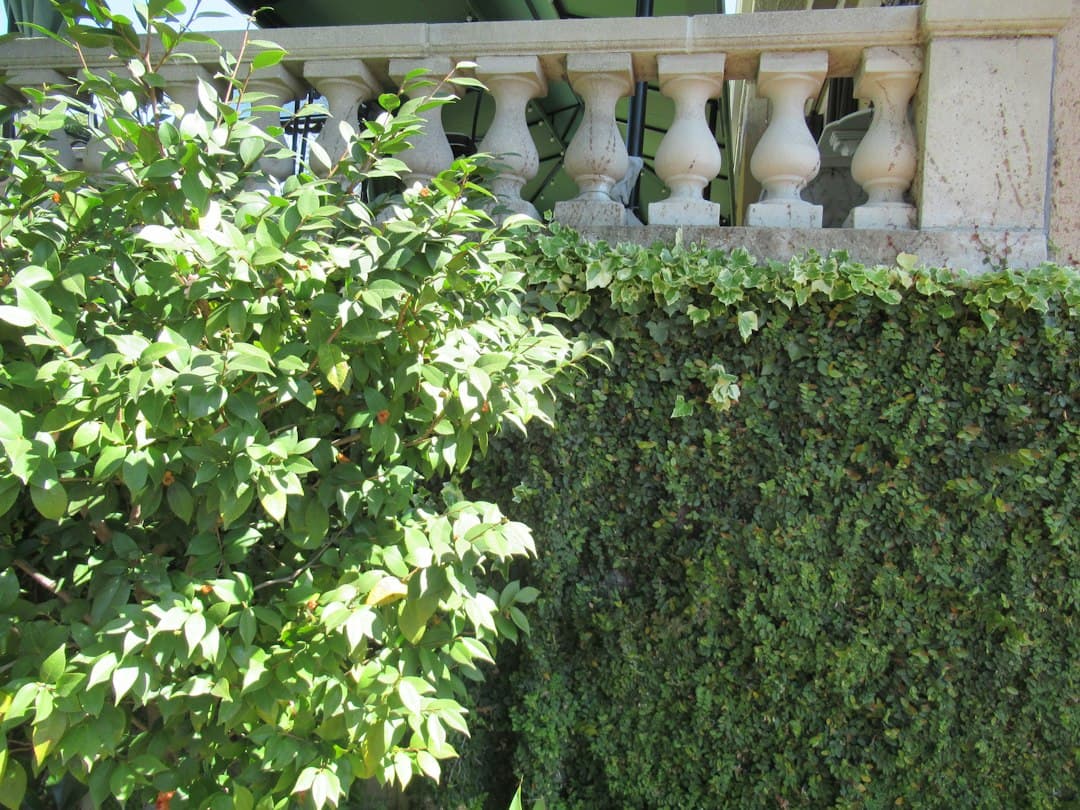
Autumn in Cyprus arrives like a quiet exhale — the punishing heat lifts, the soil softens after the first rains, and suddenly your garden feels possible again. If you've been squinting at your neighbour's balcony all summer or wincing every time a delivery van slows down outside your villa, now is the moment to act. Learning how to plant a hedge in Cyprus correctly — with the right species, timing, and spacing — is the single most effective way to transform an exposed plot into a private, green sanctuary within two to three growing seasons.
Quick Answer: The best time to plant a hedge in Cyprus is between late October and early December, once daytime temperatures drop below 28°C and autumn rains begin softening the ground. For privacy screening, fast-growing evergreens like Photinia x fraseri, Cypress (Cupressus sempervirens), Pittosporum, and Bay Laurel perform best, planted 60–90cm apart depending on species, in well-drained soil amended with compost, and irrigated deeply twice weekly through their first summer.
Why Autumn Is the Ideal Time to Plant a Hedge in Cyprus
Cyprus gardeners who plant in spring are fighting the calendar. A hedge planted in March has perhaps eight weeks of mild weather before the mercury climbs past 35°C, leaving young roots scrambling to establish before summer stress hits. Autumn planting flips that equation entirely in your favour.
The Root-Establishment Advantage
Soil temperatures in Cyprus remain warm — typically 18–22°C at root depth — well into December, even as air temperatures cool. This combination is horticultural gold: warm soil encourages vigorous root growth, while cooler air reduces transpiration stress on the plant's foliage. A hedge planted in November spends four to five months building an extensive root system before it ever has to face a Cypriot summer, compared to a spring-planted hedge that must do both simultaneously.
Rainfall Does the Watering For You
Cyprus receives the bulk of its modest 500mm annual rainfall between November and February. Planting ahead of this window means nature handles much of your irrigation workload for free, reducing both your water bills and the risk of under-watering during the critical establishment phase.
🌿Eco Tip
Avoiding Transplant Shock
Newly planted shrubs are vulnerable to transplant shock — a period where root disturbance temporarily reduces water uptake. In summer, this coincides with peak evaporative demand and can kill a hedge within days. In autumn, mild temperatures and higher humidity give plants a forgiving buffer to recover. This is the same principle we cover in more depth in our guide to the best trees to plant in Cyprus in autumn — the season simply stacks the odds in your favour.
What Is the Best Hedge to Plant for Privacy in Cyprus?
This is the question we're asked more than any other at consultations, and the honest answer depends on your priorities: speed, evergreen density, fire resistance, or architectural formality. But if we had to name one all-rounder, it would be Photinia x fraseri 'Red Robin' for fast, dense screening, paired with Cupressus sempervirens (Mediterranean cypress) where a tall, narrow, formal screen is needed.
Fast-Growing Hedges for Cyprus Gardens
Speed matters when you want privacy sooner rather than later. Here are the varieties that consistently outperform others in Cypriot conditions:
Photinia
Photinia x fraseri 'Red Robin'
Grows 30–45cm per year in Cyprus once established. Brilliant red new growth matures to glossy dark green. Tolerates alkaline soils and light frost. Ideal for a dense 1.5–2.5m privacy screen.
Pittosporum
Pittosporum tobira
Compact, wind-tolerant, and salt-resistant — excellent for coastal villas. Fragrant cream flowers in spring. Slower than Photinia but far more drought-tolerant once mature.
Mediterranean Cypress
Cupressus sempervirens
The classic vertical accent of Cypriot landscapes. Extremely drought-tolerant once established, reaching 8–15m if left unpruned, or maintained as a formal clipped screen at 2–4m.
Evergreen Screening Plants for Cyprus Villas
For year-round privacy — not just in the growing season — evergreen structure is non-negotiable. Beyond the three above, consider:
- Bay Laurel (Laurus nobilis) — aromatic, tough, tolerates heavy clipping, doubles as a culinary herb source
- Oleander (Nerium oleander) — spectacular flowering, extremely drought-hardy, though toxic if ingested (a consideration with pets or young children)
- Ligustrum japonicum (Japanese Privet) — dense, glossy, responds beautifully to formal shearing
- Myrtle (Myrtus communis) — native Mediterranean shrub, fragrant, naturally compact
⚠️Important
Matching Hedge Choice to Your Villa's Microclimate
Coastal properties in Limassol or Paphos face salt spray and near-constant wind, favouring Pittosporum, Myrtle, and Tamarisk. Inland gardens around Nicosia contend with more extreme temperature swings and heavier clay soils, where Photinia and Cypress tend to thrive. If your property sits near dry scrubland or forested slopes, hedge selection should also factor into your broader fire-safety strategy — our fire-resistant landscaping guide for Cyprus villas explains which screening species carry lower ignition risk without sacrificing density.
A hedge is a twenty-year commitment planted in a single afternoon. Choose the species for your soil and microclimate first — aesthetics second. We've seen too many beautiful hedges fail within eighteen months simply because they were planted for a fashion, not for the site.
How to Plant a Hedge in Cyprus: Step-by-Step
Once you've chosen your species, execution determines whether your hedge thrives or limps along for years. Here is the process we follow on every Green Planet installation.
Preparing the Planting Trench
Rather than digging individual holes, prepare a continuous trench 45–60cm wide and 40–50cm deep along the entire hedge line. Cyprus's heavy terra rossa and clay-loam soils benefit enormously from this approach, as it breaks up compaction across the whole root zone rather than leaving isolated pockets of loose soil surrounded by concrete-hard ground.
Backfill the base of the trench with a mix of:
- 60% excavated native soil
- 30% well-rotted compost or aged manure
- 10% coarse sand or fine gravel (for drainage on clay-heavy sites)
Test your soil pH before amending — most Cyprus soils run alkaline (pH 7.5–8.5). Photinia, Pittosporum, and Cypress all tolerate this comfortably, but if you're drawn to acid-loving species, you'll need substantial sulphur amendment or raised planting beds.
Hedge Planting Spacing: Getting the Gaps Right
Spacing is where most DIY hedges go wrong — plant too far apart and you'll wait years for gaps to close; plant too close and you'll fight overcrowding, fungal disease, and stunted growth within a few seasons.
General spacing guidelines for Cyprus conditions:
- Photinia, Ligustrum, Pittosporum (dense screening shrubs): 60–80cm apart
- Bay Laurel, Myrtle (medium shrubs): 70–100cm apart
- Cypress, tall column varieties: 90–150cm apart depending on desired density
- Fast double-row screening (maximum density): stagger two rows 40cm apart, plants 80cm apart within each row, rows offset in a zigzag pattern
💡Pro Tip
Planting Depth and Backfilling Technique
Set each plant so the top of the root ball sits level with, or very slightly above, the surrounding soil grade — planting too deep is one of the most common causes of hedge failure, as it suffocates the root crown and encourages collar rot. Gently tease apart any circling roots before placing the plant, backfill in stages, firming lightly with your hands (not your foot) after each layer, and water in thoroughly to eliminate air pockets around the roots.
Watering and Mulching Your New Hedge Through Establishment
Autumn rains help, but they won't do the entire job — supplemental irrigation during dry spells and through the following summer is essential.
First-Year Irrigation Schedule
- Weeks 1–4: Deep watering twice weekly, roughly 15–20 litres per plant
- Months 2–6 (into winter): Reduce to once weekly, supplementing natural rainfall
- Following spring–summer: Return to twice-weekly deep watering as temperatures climb past 30°C
- Year two onward: Most established hedges thrive on once-weekly deep watering, tapering as roots mature
Drip irrigation lines run along the hedge trench are far more efficient than overhead sprinklers, delivering water directly to the root zone and reducing fungal leaf issues.
Why Mulch Is Non-Negotiable in Cyprus
A 7–10cm layer of organic mulch — pine bark, composted wood chips, or straw — laid along the hedge line after planting reduces soil moisture loss by up to 70% during peak summer heat, suppresses competing weeds, and moderates soil temperature swings that stress young roots. For a full breakdown of which mulch materials perform best across different Cyprus soil types, see our complete guide to mulch for Cyprus gardens.
🌿Eco Tip
Fertilising Without Forcing Weak Growth
Resist the urge to feed heavily in the first few months. A light application of balanced, slow-release fertiliser (NPK around 10-10-10) in early spring, once new growth appears, is sufficient. Over-fertilising young hedges produces soft, lush growth that is far more vulnerable to aphids and fungal disease than the harder growth that develops with modest, steady feeding.
300+
Sunny Days/Year
35°C+
Summer Peaks
500mm
Annual Rainfall
60-80cm
Ideal Hedge Spacing
40-50cm
Trench Depth
Pruning and Shaping Your Hedge for Density and Privacy
A hedge left unpruned in its first years will grow tall and thin, with bare, woody stems at the base — precisely the opposite of what privacy screening requires.
The Formative Pruning Rule
In the first two years, prune for width and density, not height. Trim the sides and top lightly after the initial flush of spring growth, encouraging lateral branching low down on the plant. This "tip pruning" approach forces the hedge to fill out from the base upward, avoiding the leggy, gap-ridden look that plagues hedges left to grow unchecked.
Ongoing Maintenance Pruning Schedule
- Fast growers (Photinia, Ligustrum): 2–3 light trims per year — spring, early summer, and early autumn
- Moderate growers (Pittosporum, Bay Laurel): 2 trims per year — spring and late summer
- Cypress and slow-formal hedges: 1–2 trims per year, avoiding cuts into old bare wood, which many conifers won't reshoot from
Always prune with a slight taper — narrower at the top, wider at the base — so sunlight reaches the lower branches and prevents the thinning-out effect common in hedges pruned as a straight vertical wall.
Planning Your Hedge Within a Wider Garden Renovation
A privacy hedge rarely exists in isolation — it interacts with irrigation zones, existing trees, boundary walls, and how you use your outdoor space day to day. Before breaking ground on a new hedge line, it's worth stepping back and considering how it fits into your garden's overall autumn planting plan, particularly if you're tackling other renovation projects at the same time. Our guide on planning your Cyprus garden renovation before autumn planting season walks through sequencing these projects so your hedge, irrigation upgrades, and any tree planting all support each other rather than competing for budget and timing.
Considering Root Spread Near Walls and Pools
Vigorous species like Cypress and Ligustrum can develop root systems extending well beyond their canopy width. Keep a minimum clearance of 1.5–2 metres from swimming pool structures, septic systems, and boundary walls to avoid future structural issues.
Coordinating Hedge Lines with Irrigation Design
If you're installing or upgrading a drip irrigation system alongside your hedge, plan the line placement before planting, not after. Retrofitting irrigation around an established hedge row is considerably more disruptive and often damages surface roots in the process.
Frequently Asked Questions
What is the best hedge to plant for privacy in Cyprus?
Photinia x fraseri 'Red Robin' is widely regarded as the best all-round privacy hedge for Cyprus gardens, thanks to its fast growth rate (30–45cm per year), dense evergreen foliage, and tolerance of alkaline soils. For a taller, more formal screen, Mediterranean cypress (Cupressus sempervirens) is the classic choice, while Pittosporum tobira excels in coastal, wind-exposed sites.
How far apart should I space hedge plants in Cyprus?
Most dense screening shrubs like Photinia and Pittosporum should be spaced 60–80cm apart, while taller columnar species like Cypress can be spaced 90–150cm apart depending on the density you want. As a general rule, space plants at 60–70% of their expected mature width to achieve a solid, continuous screen without overcrowding.
How long does it take for a hedge to grow tall enough for privacy in Cyprus?
Fast-growing species like Photinia typically reach a usable privacy height of 1.5–2 metres within two to three growing seasons when planted in autumn and cared for properly. Slower species like Cypress may take four to five years to reach comparable screening height, though they offer greater longevity and drought tolerance once mature.
Can I plant a hedge in Cyprus in winter instead of autumn?
Yes — winter planting (December through February) is still viable in Cyprus, as soil rarely freezes and rainfall remains reliable. However, planting in late October or November gives roots several extra weeks of warmer soil temperatures to establish before the coolest part of winter, generally producing stronger first-year growth than plants installed in January or February.
Getting a privacy hedge right in Cyprus comes down to matching the right species to your soil, sun exposure, and microclimate, then giving it the spacing, water, and early pruning it needs to establish before summer heat arrives. If you'd rather have that expertise handled for you — from species selection through to installation and first-year care — book a free consultation with Green Planet Gardening and we'll design a hedge planting plan tailored to your villa and garden this autumn.
Green Planet Gardening
Luxury garden design, construction, and maintenance across Cyprus. Founded by the Knodaritis brothers with over a decade of Mediterranean landscaping excellence.
Book a free consultation →Continue Reading
 Landscaping
 Landscaping
 Landscaping