
A drive is not a patio. A patio is a room you light once and enjoy from a chair. A drive is a journey: a gate, a turn, a gradient, a passing place, a parking apron, then the few steps from the car door to the front door with shopping in both hands. When people search for solar street lamps, this is usually the problem behind the search. They have a long approach, no cable in the ground along it, and a stretch of gravel or stone that goes dark the moment the gate closes behind them.
This article looks at that specific job: the long run. Pool surrounds, terraces, façades and steps each have their own logic, and we have written about those separately in the solar lighting section of our site at https://greenplanetgardening.eu/solar-lighting/.
Why the long run favours solar
On a mains circuit, every metre of drive is a metre of trench. On an established property that trench crosses root plates, irrigation lines, gravel beds and often a finished surface that was laid to a level someone cared about. The cost of putting a cable in is rarely the cable. It is the reinstatement.
A pole mounted solar lamp moves that calculation. Each unit carries its own panel, its own battery and its own controller, so the run can be extended, shortened or re-spaced later without opening the ground again. For a boundary that may still change, or a drive that will one day serve a second building plot, that flexibility is worth as much as the saved trenching.
The trade is honest and worth stating plainly: a solar lamp can only give back what its panel collected that day. Size the unit for the shortest, greyest days of the year rather than for July, and the rest of the year takes care of itself.
Pole height, spacing and the pools between
Street style lamps tempt people into over lighting. A drive does not need a continuous ribbon of brightness. It needs enough light to read the edge of the surface, the change in gradient and anything that has wandered onto it.
Three practical points we come back to on site:
Height sets spread. A taller pole lights a wider circle from fewer positions, which usually means fewer units along the run. A lower bollard gives a tighter, softer pool and suits the garden path that branches off the drive.
Let the pools touch, not overlap. Gentle scallops of light along a gravel drive read as a rhythm. Wall to wall brightness reads as a car park and flattens the planting you paid for.
Aim down and shield the source. Light that escapes sideways into a neighbour's bedroom or upward into the sky is light the battery spent for nothing. DarkSky International sets out this thinking well in its five principles for responsible outdoor lighting, published at https://darksky.org: use light only where it is needed, keep it shielded, keep it no brighter than the task requires, and prefer warmer colour tones. Warm light also sits far better against limestone, olive bark and bougainvillea than a cold blue white.
Reading the specification instead of the photograph
Product photography tells you very little. Three lines on the datasheet tell you most of what matters.
The IP rating. Ingress protection is defined in the international standard IEC 60529, available through https://www.iec.ch. The first digit covers solids, including the fine dust that arrives on a Cyprus wind, the second covers water. For an exposed drive, ask what the rating applies to: the housing, the battery compartment and the fixing point can differ.
Battery chemistry and where the battery sits. Heat is the enemy of any cell. A battery housed in the head of the lamp under a dark cover lives a harder life than one placed where air can move around it. Ask whether the battery can be replaced on its own, or whether replacement means a new lamp.
Panel area, and what will shade it. A panel that is generous for its output has margin on a short winter day. The Department of Meteorology of the Republic of Cyprus publishes climate and sunshine data at https://www.moa.gov.cy/moa/dm/dm.nsf, and it is a better starting point than a manufacturer's claim about hours of runtime. Then look at what stands to the south of each position: a young cypress is not a problem in year one and is very much a problem in year five.
What the local conditions do to a drive lamp
Our home page FAQ sets out the differences we plan around, and they matter as much for lighting as for planting. Larnaca is the driest of the areas we serve, at roughly 330 mm of rain a year, with irrigation restrictions in force for 2026 and slightly saline groundwater on plots near the salt lake. Limassol brings humidity, roof terraces and the red palm weevil. Source: greenplanetgardening.eu, FAQ "Do you serve all areas of Cyprus?".
For lamps, the practical consequences are salt, dust and fixings. Coastal air carries salt onto every horizontal surface, and salt plus dew plus the wrong fastener produces a stain down a white pole within a season. Ask about the fixing hardware, not only the housing. Inland and along unsurfaced approaches, dust is the quieter thief: a panel with a film on it collects noticeably less, and a wipe with clean water every few weeks through the dry months is the single most useful thing an owner can do.
Irrigation is worth a word too. Restrictions are set by the authorities, not by us, and a garden plan has to sit inside them rather than work around them.
Planting the edges of the approach
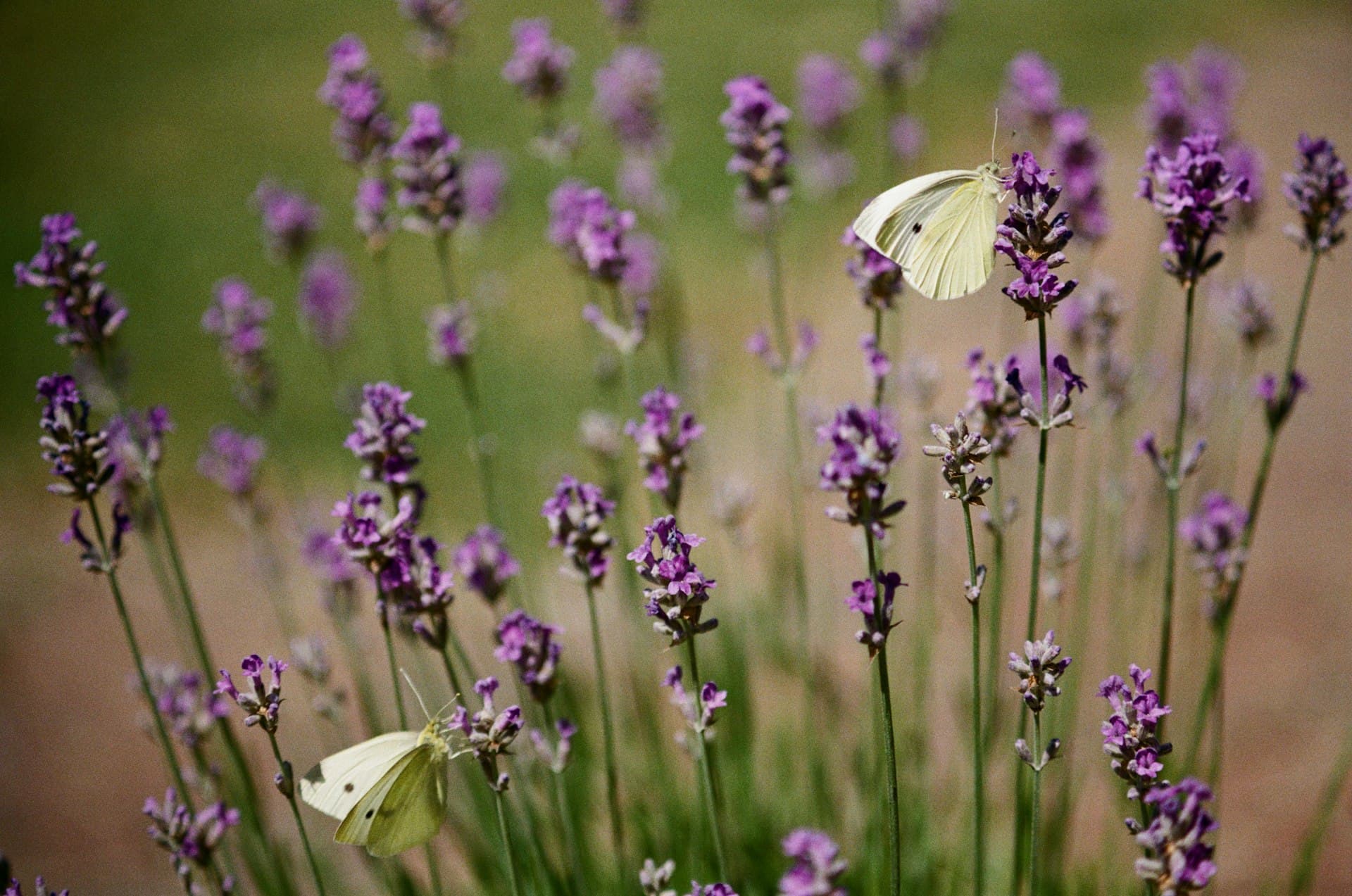
Lighting a drive is half the job. What the light lands on is the other half. We work with drought tolerant Mediterranean material that earns its place along a hot, reflective strip of stone: bougainvillea, oleander, olive, lavender and jasmine (greenplanetgardening.eu, FAQ "What plants work best in the Cyprus climate?"). Grazing a warm light across an olive trunk or up through a bougainvillea does more for an arrival at night than another lamp would.
One maintenance note that is easy to miss: the same planting that looks best in the beam will, in time, grow into the panel's view of the sky. Pruning along a lit drive is partly a lighting task.
How we approach it
Green Planet Gardening was founded by the Knodaritis brothers and has worked in Cypriot gardens for over a decade, with the key figures on our home page reading 10+ Years of Excellence, 5★ Client Reviews and Cyprus-wide. We are based in Paphos and work across the island, including Limassol, Larnaca, Nicosia and the surrounding areas, with our own maintenance teams in Limassol and Larnaca.
On timing, our FAQ gives typical spans rather than promises: a terrace or small garden usually runs 1 to 2 weeks, while larger villa projects with hardscaping, irrigation and mature planting typically run 3 to 6 weeks. A lighting scheme along a drive is normally planned with that work rather than bolted on afterwards, because pole positions, planting and surfaces all want to be decided on the same drawing.
The lamps we work with are listed in the solar lighting section of our site, and every order is issued with an invoice.
If you would like the approach to your house looked at properly, call +357 99 245 332. The first consultation is free, there is no obligation, and we respond within 24 hours.
Green Planet Gardening
Luxury garden design, construction, and maintenance across Cyprus. Founded by the Knodaritis brothers with over a decade of Mediterranean landscaping excellence.
Book a free consultation →Continue Reading
 Landscaping
 Landscaping
 Landscaping