Best Compost and Soil Amendments for Cyprus Clay Soil: An Autumn Guide
If you've ever tried to dig into your garden in August only to find soil like fired terracotta, or watched your October rains turn the same bed into a sticky orange swamp, you already know the particular heartbreak of Cyprus clay. Finding the best compost for clay soil Cyprus gardeners can rely on isn't just a nice-to-have — it's the single most transformative thing you can do for a struggling Mediterranean garden. The good news? Autumn, with its cooling temperatures and first rains, is precisely when this soil responds best to amendment.
Quick answer: The best way to improve clay soil in Cyprus is to work 5-7cm of mature organic compost into the top 20-30cm of soil each autumn, combined with coarse gypsum (at 1kg per square metre for sodic soils) and a layer of mulch to protect structure through winter rains. This combination breaks apart clay's tight mineral platelets, improves drainage, and builds the humus content that Cyprus soils desperately lack — often below 1%, compared to the 3-5% found in healthy temperate garden soil.
300+
Sunny Days/Year
35°C+
Summer Peaks
500mm
Annual Rainfall
Under
1% Average Soil Organic Matter
Why Is Cyprus Clay Soil So Difficult to Work With?
Anyone who gardens on the island's terra rossa or heavy marl soils knows the cycle: rock-hard in summer, waterlogged in winter, and cracked with fissures wide enough to lose a trowel in come late spring. Understanding why this happens is the first step to fixing it.
The Mineral Structure Problem
Cyprus clay is dominated by fine mineral particles — often smectite and illite clays — that swell dramatically when wet and shrink when dry. This is why beds that were soggy in January are concrete-like by June. The particles pack so tightly that oxygen and water struggle to penetrate, suffocating roots and starving beneficial soil microbes of the conditions they need to thrive.
Low Organic Matter Makes Everything Worse
Most agricultural and garden soils across the island test below 1% organic matter, a legacy of centuries of cultivation, low rainfall, and intense summer heat that burns through organic material faster than it can accumulate. Without organic matter acting as a binder and sponge, clay particles have nothing to aggregate around, so they default to their natural tight, airless structure.
High pH and Calcium Carbonate
Much of Cyprus sits on limestone bedrock, giving soils a naturally alkaline pH — frequently between 7.8 and 8.4. This alkalinity locks up iron, manganese, and zinc, which is why so many Mediterranean gardens show yellowing leaves (chlorosis) on otherwise healthy-looking shrubs and citrus trees, even in rich-looking soil.
⚠️Important
What Is the Best Compost for Clay Soil in Cyprus?
This is the question we're asked most often at consultations across Limassol, Paphos, and the Nicosia foothills, and the answer is refreshingly direct: well-matured, screened compost with a carbon-to-nitrogen ratio close to 20:1, applied generously and often.
Mature Garden Compost
Finished compost — dark, crumbly, and earthy-smelling rather than sour — is the gold standard because it supplies both organic matter and a living population of soil microbes that help bind clay particles into stable aggregates. For Cyprus gardens, we recommend sourcing or producing compost that has cured for at least four to six months, since the island's heat accelerates breakdown but also means half-finished compost can still rob nitrogen from your soil as it continues decomposing.
Composted Manure
Well-rotted sheep, cattle, or chicken manure (always composted, never fresh, which can burn roots and introduce weed seed and pathogens) is widely available from farms in the Mesaoria and Paphos agricultural areas. It's particularly effective on clay because of its higher fibre content, which physically wedges apart compacted particles as earthworms and microbes work through it.
Leaf Mould
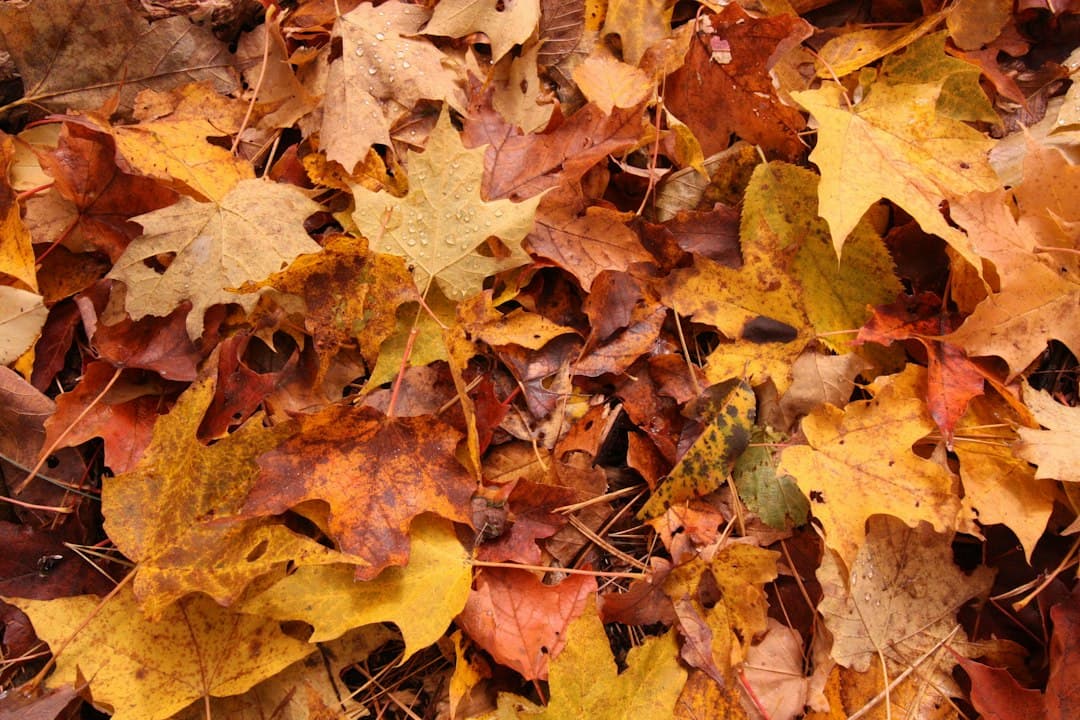
If you have access to fallen leaves from carob, oak, or plane trees, two-year-old leaf mould is one of the finest soil conditioners for clay anywhere in the Mediterranean. It's low in nutrients but extraordinarily good at improving structure and water-holding capacity — exactly what tight clay needs.
Carob
Ceratonia siliqua
A native Cyprus tree whose fallen leaves make exceptional leaf mould for clay soil improvement, and whose deep roots naturally help break up compacted subsoil over time.
💡Pro Tip
Which Soil Amendments Work Best Alongside Compost?
Compost alone transforms clay beautifully, but combining it with mineral and biological amendments accelerates the process — particularly important if you're preparing beds this autumn for spring planting.
Gypsum for Structural Improvement
Agricultural gypsum (calcium sulphate) is one of the most underused amendments on the island. Unlike lime, it doesn't raise pH — crucial given how alkaline Cyprus soils already are — but it does displace sodium ions that cause clay particles to disperse and seal. For sodic or heavy clay soils, apply 0.5-1kg per square metre, worked into the top 15cm, ideally four to six weeks before planting.
Coarse Sand and Pumice
Adding sharp, coarse sand (never fine builder's sand, which compacts clay further) or volcanic pumice improves drainage dramatically when mixed at roughly 20-30% by volume with compost. This combination is especially valuable for raised beds and container-grown Mediterranean herbs that despise wet feet.
Biochar
Increasingly available from Cyprus producers using olive wood and vine prunings, biochar offers a long-term structural benefit that compost alone can't match — it doesn't break down for decades, giving clay soil permanent pore space while also helping retain nutrients and moisture. We recommend "charging" biochar in compost tea for two weeks before application so it doesn't initially draw nutrients away from plants.
Rosemary
Salvia rosmarinus
Thrives once clay soil is amended with gypsum and sand for sharp drainage; struggles and often rots in unamended heavy clay through winter.
How Do You Prepare Clay Soil in Autumn, Step by Step?
Autumn — specifically late September through November in Cyprus — is the ideal window. Soil temperatures remain warm enough (typically 18-24°C) to keep microbial activity high, while the first rains provide natural moisture to help amendments integrate without the need for heavy irrigation.
Step 1: Test and Assess
Before adding anything, dig a simple test hole 30cm deep and fill it with water. If it hasn't drained within four hours, you're dealing with significant compaction that will need more aggressive amendment and possibly French drains for problem areas.
Step 2: Break Up Compaction Gently
Use a broadfork or garden fork to loosen soil to 25-30cm depth without inverting the layers, which disrupts the soil food web you're trying to build. Avoid rotovating clay, which can create a compacted "hardpan" layer just below blade depth.
Step 3: Layer and Incorporate Amendments
Spread 5-7cm of mature compost, your measured gypsum application, and any sand or biochar across the bed, then work it into the top 20cm using a fork. This is also the ideal moment to follow a full soil prep checklist if you're readying ornamental beds for autumn planting.
Step 4: Mulch Immediately
A finished amended clay bed left bare will crust over and lose structure within weeks under autumn rain. Apply 5-8cm of organic mulch straight away — we cover the best options for Cyprus conditions in our guide to choosing the right mulch.
🌿Eco Tip
How Does Clay Soil Improvement Change for Vegetable Gardens?
Vegetable beds demand faster results than ornamental borders because you're often planting within weeks, not months.
Raised Beds as a Shortcut
For kitchen gardens, many Cyprus growers skip in-ground clay amendment entirely in the first year by building raised beds filled with a blended mix of 40% compost, 30% topsoil, and 30% coarse sand or pumice. This gives vegetables the loose, free-draining root zone they need immediately, while the clay beneath slowly improves from organic matter leaching down over subsequent seasons.
Cover Cropping Between Seasons
Fast-growing autumn cover crops like broad beans or vetch, sown now and dug in before spring planting, add nitrogen and organic matter directly into clay while their root systems create natural channels for air and water. This technique pairs perfectly with the planning outlined in our complete kitchen garden guide.
Rotating Amendment Zones
Rather than amending an entire vegetable plot at once, dedicate different beds to intensive clay improvement each autumn on a three-year rotation — this spreads cost and labour while steadily transforming the whole garden.
Clay soil in Cyprus isn't a problem to solve once — it's a relationship you build season after season. Every autumn you feed it compost, you're not just planting for next spring, you're investing in soil that will hold water better, need less irrigation, and support healthier roots for the next twenty years.
How Does Water Management Interact With Clay Soil Amendment?
Improving clay structure and managing water go hand in hand, and overlooking this connection undoes much of your soil-building effort.
Avoiding Winter Waterlogging
Even well-amended clay can pool water during Cyprus's heaviest autumn downpours. Grading beds with a gentle 1-2% slope away from structures, and incorporating French drains in low-lying problem areas, prevents amended topsoil from becoming anaerobic and sour.
Harvested Rainwater for Summer Irrigation
Once clay soil's structure improves, it holds moisture far more efficiently, meaning stored rainwater stretches significantly further through summer droughts. If you're investing in soil improvement this autumn, pairing it with a storage system — covered in our guide to rainwater harvesting for Cyprus villas — multiplies the benefit considerably.
Deep, Infrequent Watering Encourages Root Depth
Amended clay rewards deep watering (soaking to 20-30cm, then allowing the surface to dry) rather than frequent shallow watering, which encourages roots to stay near the surface and keeps subsoil perpetually compacted.
FAQ: Your Clay Soil Questions Answered
What is the best way to improve clay soil in Cyprus?
The most effective method is applying 5-7cm of mature compost worked into the top 20-30cm of soil each autumn, combined with gypsum for structural improvement and a protective mulch layer. Consistency across multiple autumns produces far better results than a single large application.
How much compost do I need per square metre for clay soil?
Plan for roughly 50-70 litres of mature compost per square metre (equivalent to a 5-7cm layer) for garden beds, and up to double that for severely compacted or newly cleared sites.
Does gypsum work on all Cyprus clay soils?
Gypsum is most effective on sodic clay soils where sodium causes particle dispersion — common in coastal and lowland areas. A simple soil test from a local agricultural lab can confirm whether your soil will benefit, since gypsum offers little advantage on already well-structured clay.
Can I use fresh manure instead of compost on clay soil?
No — fresh manure can burn plant roots, introduce weed seeds and pathogens, and create a nitrogen imbalance as it decomposes in situ. Always compost manure for a minimum of three to six months before applying it to garden soil.
Transforming heavy Cyprus clay into rich, workable garden soil takes patience, the right amendments, and timing that works with — not against — our Mediterranean seasons. If you'd rather have expert hands assess your specific soil, climate microzone, and garden goals, book a free consultation with Green Planet Gardening and let's build a soil improvement plan tailored to your property this autumn.
Green Planet Gardening
Luxury garden design, construction, and maintenance across Cyprus. Founded by the Knodaritis brothers with over a decade of Mediterranean landscaping excellence.
Book a free consultation →