
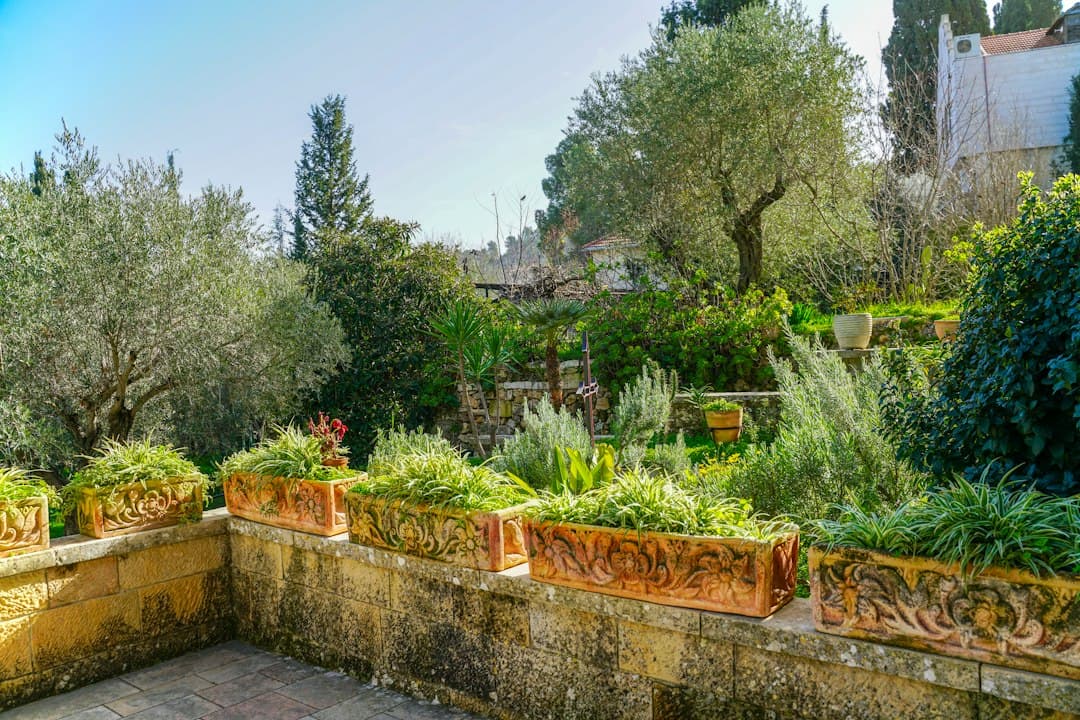
The first cool breath of September wind across the Mesaoria signals more than relief from summer heat—it's nature's starting gun for Cyprus gardeners. If you're wondering how to prepare flower beds for autumn planting in Cyprus, the work you do in the next few weeks will determine whether your winter and spring garden thrives or merely survives. After eight months of relentless sun baking our terracotta-red soils into something resembling brick, your beds need serious rehabilitation before a single bulb or seedling goes into the ground.
Quick Answer: To prepare flower beds for autumn planting in Cyprus, clear all summer debris and spent plants, test your soil pH (most Cyprus soils run alkaline at 7.5–8.5), break up compacted earth to at least 30cm depth, work in 5–8cm of quality compost or well-rotted manure, correct pH imbalances with sulfur or lime as needed, and apply a 5cm mulch layer to retain the moisture your plants will need through the mild but sometimes dry Cypriot winter.
Why Autumn Soil Prep Matters More in Cyprus Than Anywhere Else
Cyprus gardeners face a unique challenge: our Mediterranean climate compresses the growing calendar into two intense windows, and our soils—often heavy clay-loam over limestone bedrock—demand more preparation than the loamy soils gardening books typically describe.
The Cyprus Climate Factor
With over 300 sunny days annually and summer temperatures regularly exceeding 38°C, our soil structure breaks down dramatically between April and September. Organic matter oxidizes rapidly in the heat, soil microbiology goes dormant, and the surface often develops a hard, water-repellent crust. Autumn planting (typically late September through November) gives roots the mild 15–22°C soil temperatures they need to establish before winter dormancy—but only if that soil is actually capable of supporting root growth.
What Happens If You Skip Proper Preparation
Unprepared beds lead to predictable failures: bulbs that rot in compacted, poorly-draining pockets; perennials that never establish deep roots before summer heat returns; and seedlings that struggle against alkaline pH lockout, unable to absorb iron and manganese even when nutrients are technically present in the soil. I've seen countless Nicosia and Limassol gardens where beautiful autumn-planted ranunculus simply failed to emerge—not from bad bulbs, but from soil that was essentially concrete six inches down.
⚠️Important
If you're tackling a larger renovation this season, it's worth reading our guide on how to plan your Cyprus garden renovation before autumn planting season to sequence your work efficiently.
How Do You Prepare a Flower Bed for Planting in Autumn? (The Complete Checklist)
This is the exact sequence we follow for client gardens across Cyprus, from coastal Paphos properties to mountain-adjacent gardens in Troodos foothill villages.
Step 1: Clear Summer Debris Completely
Start by removing every trace of summer's growth—spent annuals, sun-scorched perennial stems, weeds, and any diseased plant material. Clearing summer beds thoroughly prevents pest and fungal spores from overwintering in your soil. Don't compost diseased material; bag it for disposal instead.
Pull weeds by the root system, particularly troublesome Cyprus varieties like Bermuda grass (Cynodon dactylon) and purslane, which regenerate from even small root fragments left behind. This is also the ideal moment to lift and divide overcrowded perennial clumps—our detailed guide on dividing and transplanting perennials in Cyprus this autumn covers the exact timing and technique for species like agapanthus, daylilies, and iris.
Step 2: Test Your Garden Soil pH
Testing garden soil pH is the single most skipped step in Cyprus gardening—and the one that causes the most mysterious plant failures. Our island's limestone geology means most garden soils sit between pH 7.5 and 8.5, significantly more alkaline than the 6.0–7.0 range most flowering plants prefer.
How to test: A basic soil pH testing kit (available at most Cyprus garden centers for €10–15) gives reliable results. Take samples from 3–4 spots in each bed at 10cm depth, mix them together, and test the composite sample for accuracy.
What the numbers mean:
- pH 7.0–7.5: Slightly alkaline, workable for most Mediterranean plants
- pH 7.5–8.0: Common in Cyprus; may cause nutrient lockout in acid-loving plants
- pH 8.0+: Requires active correction before planting anything beyond the toughest xerophytes
💡Pro Tip
Step 3: Break Up Compaction
Using a garden fork or broadfork, work the soil to at least 30cm depth, breaking up compacted layers without fully inverting the soil structure (which disrupts beneficial fungal networks). For beds that haven't been worked in years, you may need to go through this process twice, a week apart, letting the first pass weather before the second.
Soil Preparation Before Planting: Building the Right Structure
Structure matters as much as chemistry. Cyprus's clay-heavy soils, when compacted, hold water in a way that suffocates roots—yet paradoxically dry into concrete-hard crusts within days of the last rain.
Understanding Cyprus Soil Types
Most of the island's cultivated land falls into one of three categories: heavy terra rossa clay (common in the central plains and around Nicosia), sandy coastal soils (Larnaca, Paphos, and Limassol's coastal strips), and the darker, more fertile alluvial soils found in river valley areas. Each requires a slightly different amendment strategy, but all benefit from the same core principle: organic matter improves both extremes—it opens up clay for drainage and helps sandy soil retain moisture and nutrients.
The Double-Dig Method for Compacted Beds
For beds that have never been properly prepared, consider double-digging: remove the top 25cm of soil and set aside, loosen the subsoil beneath with a fork to another 25cm depth, then return the topsoil mixed with compost. This is labor-intensive but transforms genuinely poor soil into a workable growing medium for years to come.
Improving Drainage in Clay-Heavy Beds
If water pools on your bed's surface more than 30 minutes after watering, drainage needs attention. Working in coarse horticultural grit or perlite alongside compost—roughly one part grit to four parts compost—creates air pockets that prevent waterlogging without sacrificing moisture retention entirely.
Cyprus Cyclamen
Cyclamen cyprium
This endemic beauty thrives in well-drained, humus-rich soil with excellent structure. Plant corms in autumn after soil preparation, at 5cm depth, in dappled shade beneath established trees or shrubs.
Compost for Cyprus Soil: What Actually Works
Not all compost performs equally in our climate and soil chemistry. Choosing the right compost for Cyprus soil accelerates everything else in your preparation process.
Best Compost Types for Local Conditions
Well-rotted farmyard manure (at least 6 months aged) remains the gold standard for Cyprus flower beds, adding organic matter while slightly buffering alkaline pH over time. Municipal green waste compost, now widely available through Cyprus recycling centers, offers an affordable and sustainable alternative, though quality varies—look for a dark, crumbly texture with an earthy smell, never a sour or ammonia odor.
Homemade compost, if you have the space and patience, gives you complete control over inputs. Kitchen scraps, garden clippings, and shredded autumn leaves (a rare commodity in Cyprus, so save every one) break down into black gold within 4–6 months in our warm climate—faster than in cooler northern European conditions.
How Much Compost to Apply
Work in 5–8cm of compost across the entire bed surface, incorporating it into the top 20cm of soil. For particularly depleted beds that have grown nothing but weeds for a season or more, increase this to 10cm. Avoid the temptation to over-apply nitrogen-rich fresh manure, which can burn young roots and encourage leafy growth at the expense of flowers.
🌿Eco Tip
Best Soil Amendments Cyprus Gardens Need Beyond Compost
Beyond basic compost, the best soil amendments Cyprus gardeners should keep on hand include:
- Elemental sulfur — lowers pH gradually over 2–3 months for acid-loving plants
- Agricultural gypsum — improves clay structure without altering pH, ideal for our alkaline soils
- Bone meal — slow-release phosphorus that supports strong root and bulb development
- Composted seaweed — increasingly available in coastal areas, adds trace minerals and improves moisture retention
Cyprus soil isn't poor—it's just impatient. Give it organic matter and proper structure, and it rewards you generously. The mistake most gardeners make is planting into soil that looks ready on the surface but is still lifeless six inches down.
Correcting pH Before Autumn Planting
Once you know your baseline pH, correction becomes straightforward, though it requires patience—soil chemistry doesn't change overnight.
Lowering Alkaline pH
For beds testing above 7.5, elemental sulfur is the most reliable amendment. Apply at a rate of roughly 150g per square meter for clay soils (less for sandy soil, which needs about half that amount) and work it into the top 15cm. Sulfur-oxidizing bacteria convert it to sulfuric acid gradually, so apply at least 6–8 weeks before planting for measurable results—meaning late August or early September applications suit an October–November planting window perfectly.
When Lime Might Still Be Needed
Ironically, some sandy coastal soils in Cyprus, despite the island's general alkalinity, can test surprisingly neutral to slightly acidic due to heavy leaching from irrigation. If your test reveals pH below 6.5, a light application of garden lime (50g per square meter) can help, though this scenario is far less common than alkaline correction.
💡Pro Tip
Mulching and Final Bed Preparation
The final step in preparing flower beds for autumn planting ties everything together and protects your soil investment through the winter months ahead.
Applying the Right Mulch Layer
A 5cm layer of quality mulch locks in the moisture and temperature stability your amended soil needs. Our comprehensive guide to the best mulch for Cyprus gardens covers material options in depth, but well-rotted bark, straw, or composted leaf mould all work beautifully for autumn beds. Keep mulch pulled back 5cm from plant stems and bulb necks to prevent rot.
Planning Your Planting Layout
With soil properly prepared, take time to plan bulb and plant placement before digging holes. Our guide to the best bulbs to plant in Cyprus in autumn offers species-specific spacing and depth guidance for a stunning spring display—tulips, ranunculus, anemones, and freesias all perform beautifully in properly prepped Cyprus beds.
Freesia
Freesia × hybrida
Exceptionally fragrant and well-suited to Cyprus autumn planting in properly amended, well-draining beds. Plant corms 5cm deep in October for a spectacular, scented spring bloom.
Timing Your Final Watering Before Planting
Give newly prepared beds a deep watering 2–3 days before planting, allowing amendments to begin integrating and settling the soil naturally. This also reveals any drainage issues that might need last-minute correction before your plants go in the ground.
7.5–8.5
Typical Cyprus Soil pH
5–8cm
Compost Depth Recommended
6–8
Weeks pH Correction Lead Time
30cm
Minimum Soil Loosening Depth
FAQ: Autumn Flower Bed Preparation in Cyprus
How do you prepare a flower bed for planting in autumn?
Clear all summer debris and weeds, test soil pH (Cyprus soils typically run 7.5–8.5), loosen compacted soil to 30cm depth, incorporate 5–8cm of quality compost, correct pH with sulfur if needed, and finish with a 5cm mulch layer. Complete this process 6–8 weeks before your intended planting date to allow amendments to integrate fully.
When should I start preparing flower beds for autumn planting in Cyprus?
Begin bed preparation in late August or early September, particularly if pH correction is needed, since sulfur and lime amendments require 6–8 weeks to fully affect soil chemistry. This timing aligns preparation completion with the ideal late September through November planting window for Cyprus's cooling autumn soil temperatures.
What compost is best for Cyprus's alkaline soil?
Well-rotted farmyard manure and quality municipal green waste compost both work well, adding organic matter that gradually improves soil structure and slightly buffers pH over successive seasons. Avoid mushroom compost, which often contains added lime and can worsen alkalinity in already high-pH Cyprus soils.
Do I need to test soil pH every year before autumn planting?
Annual testing isn't strictly necessary if you've already corrected pH to an appropriate range, but testing every 2–3 years helps track how amendments and irrigation water (often alkaline in Cyprus) are affecting your soil over time. Beds receiving heavy sulfur correction should be retested more frequently until pH stabilizes.
Preparing your flower beds properly is genuinely the difference between a garden that merely gets through winter and one that bursts into spectacular spring bloom. If all this soil science feels overwhelming, or you'd simply rather spend autumn weekends enjoying your garden instead of double-digging it, the team at Green Planet Gardening offers free consultations to assess your soil, plan your amendments, and get your beds planting-ready before the season window closes. Reach out today and let us handle the hard work while you look forward to the results.
Green Planet Gardening
Luxury garden design, construction, and maintenance across Cyprus. Founded by the Knodaritis brothers with over a decade of Mediterranean landscaping excellence.
Book a free consultation →Continue Reading
 Seasonal Care
 Seasonal Care
 Seasonal Care