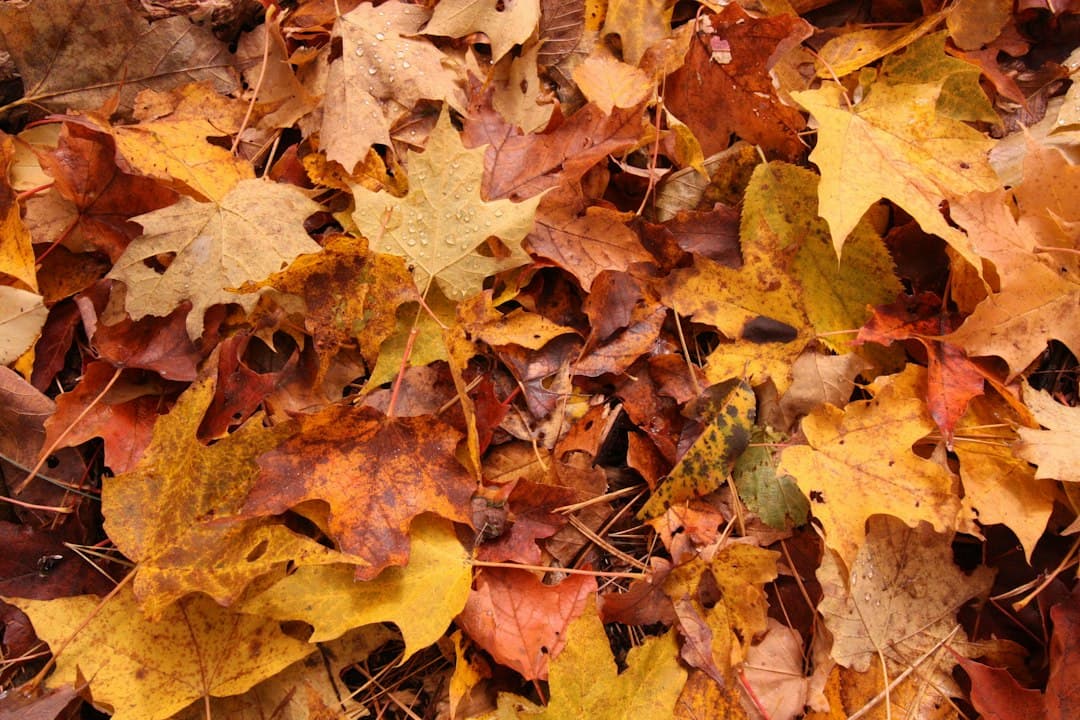
Every autumn, Cypriot gardens shed a small fortune in fallen leaves, spent tomato vines, and citrus prunings — most of it destined for the municipal green bin. Yet composting in Cyprus transforms this seasonal abundance into something far more valuable: dark, crumbly, nutrient-dense soil that your garden will thank you for come spring. With the right technique adapted to our hot, dry Mediterranean climate, you can convert a season's worth of garden waste into free, high-quality organic fertilizer in as little as 10-12 weeks.
Quick Answer: To make compost in Cyprus's Mediterranean climate, layer autumn garden waste (browns like dried leaves and twigs) with greens (kitchen scraps, fresh clippings) at a ratio of roughly 3:1, keep the pile consistently moist but never soggy, position it in partial shade to prevent excessive summer drying, and turn it every 1-2 weeks. Given our intense heat, compost here often decomposes faster than in northern Europe — a well-managed pile can produce usable compost in 8-12 weeks rather than the typical 6 months.
Why Composting Makes Sense for Cyprus Gardens
Cyprus soil is notoriously challenging. Much of the island sits on alkaline, clay-heavy terra rossa or chalky limestone-derived soil with poor organic content — often below 1%, compared to the 3-5% considered ideal for healthy plant growth. Add to that our punishing summer heat and scarce rainfall, and it's no surprise that many gardens struggle with poor water retention, nutrient deficiency, and compacted earth.
Compost is the single most effective, low-cost remedy available to home gardeners.
The Soil Problem Unique to Cyprus
Our long dry season (typically May through September, with less than 5% of annual rainfall) means organic matter breaks down and depletes faster than in temperate climates. Without regular replenishment, soil structure degrades, water runs straight through sandy patches or pools uselessly on compacted clay, and plant roots struggle to access nutrients. If you've ever wondered why your beds need constant feeding, this is largely why.
How Compost Solves It
Finished compost does three things simultaneously: it improves water retention (crucial when irrigation restrictions bite in July and August), it buffers soil pH slightly toward neutral, and it feeds the beneficial microbial life that makes nutrients available to roots. Studies from Mediterranean agricultural research consistently show that adding 5-10cm of compost annually can increase soil water-holding capacity by up to 20%, directly reducing your irrigation needs.
🌿Eco Tip
What Autumn Garden Waste Can You Compost in Cyprus?
Autumn in Cyprus generates a distinctive mix of organic material, and knowing what to include (and exclude) makes the difference between a thriving pile and a smelly, slow-rotting mess.
Ideal Autumn "Browns" (Carbon-Rich Material)
Fallen leaves from deciduous trees, dried grass clippings, shredded citrus prunings, dry twigs, and cardboard or shredded newspaper all qualify as "browns." These carbon-rich materials should make up roughly 60-75% of your pile by volume. Cyprus gardens are particularly rich in this category each autumn thanks to plane trees, mulberries, and grapevines dropping their leaves through October and November.
Note: whole citrus and eucalyptus leaves decompose slowly and contain natural oils that can slow the process — shred them first with a mulching mower or secateurs for best results.
Ideal Autumn "Greens" (Nitrogen-Rich Material)
Vegetable garden waste from summer's end — spent tomato and courgette plants, melon rinds, cucumber vines — along with fresh kitchen scraps (vegetable peelings, coffee grounds, eggshells) supply the nitrogen that fuels decomposition. If you've just cleared your summer vegetable patch following our guide on planting a vegetable garden in Cyprus this autumn, that spent plant material is perfect compost fodder rather than waste.
What to Avoid in a Cyprus Compost Pile
Skip meat, dairy, cooked food, diseased plant material, and pernicious weeds like Bermuda grass (which can survive and resprout). Also avoid glossy or coated paper, and be cautious with large volumes of pine needles, which acidify slowly but can skew pH if overused in already-acidic pockets of soil.
⚠️Important
How Do You Make Compost in a Mediterranean Climate Like Cyprus?
This is the question most Cyprus gardeners search for, and the answer differs meaningfully from generic composting advice written for cooler, wetter climates.
Choosing the Right Compost Bin for Mediterranean Heat
In our climate, an open or slatted wooden bin often outperforms sealed plastic composters, which can overheat and dry out the pile in direct summer sun. Position your bin — whether a simple three-pallet enclosure, a tumbler, or a store-bought bin — in a spot that receives morning sun but afternoon shade, ideally against a north or east-facing wall. This single decision prevents the pile from baking dry within days during our 35°C+ summer peaks.
Size matters too: aim for a minimum of 1 cubic metre. Smaller piles lose heat and moisture too quickly in dry Mediterranean air to sustain the microbial activity needed for efficient breakdown.
Managing Moisture: The Cyprus Composting Challenge
Moisture management is where Cyprus composting diverges most from European guides. Our low humidity and intense sun mean piles dry out far faster than in temperate climates — often needing water two to three times per week during warm autumn spells, compared to occasional watering recommended elsewhere.
The ideal consistency is that of a wrung-out sponge — moist but not dripping. Test by grabbing a handful from the pile's centre; if no water squeezes out but it clumps together, you're on target. If you're already using greywater recycling in your Cyprus garden, lightly treated greywater (free of harsh detergents and bleach) can be an excellent way to keep your compost pile hydrated without straining mains water supply.
💡Pro Tip
Turning and Aeration Schedule
Turn your pile every 7-14 days using a garden fork, moving outer material to the centre where temperatures run highest (ideally 55-65°C during active decomposition — you can check this with an inexpensive compost thermometer). Regular turning introduces oxygen, which aerobic decomposer bacteria need to work efficiently; without it, piles turn anaerobic, sour-smelling, and slow.
In Cyprus's warm autumn conditions (typically 18-24°C through October and November), this turning schedule combined with proper moisture can produce finished, crumbly, earthy-smelling compost in 8-12 weeks — considerably faster than the 6-month timeline often quoted in colder-climate composting guides.
300+
Sunny Days/Year
35°C+
Summer Peaks
500mm
Annual Rainfall
8-12
Weeks to Finished Compost
20%
More Water Retention with Added Compost
Turning Autumn Waste Into Rich Soil: A Step-by-Step Process
Week 1-2: Building the Base Layer
Start with a coarse base layer of twigs or straw about 10cm deep to promote drainage and airflow from below. Then alternate layers of browns and greens, roughly 15cm of browns to 5cm of greens, lightly watering each layer as you build. This layering — rather than dumping everything in one mixed pile — gives you a rough guide to ratios and helps prevent the compacted, airless clumps that slow decomposition.
Week 3-8: The Active Decomposition Phase
This is when turning frequency matters most. The pile's core should feel noticeably warm to the touch — a sign that thermophilic bacteria are actively breaking down material and, usefully, killing off most weed seeds and pathogens in the process. Continue monitoring moisture, turning every 1-2 weeks, and adding fresh kitchen scraps in thin layers rather than large dumps, which can create anaerobic pockets.
Week 9-12: Curing and Finishing
As decomposition slows, the pile will cool, shrink to roughly half its original volume, and darken to a rich, uniform brown-black. Finished compost has an earthy, forest-floor smell with no trace of ammonia or rot, and original materials should be unrecognisable. Let it cure undisturbed for a final 1-2 weeks before use — this stabilises nutrient content and prevents nitrogen "burn" to young plant roots.
In Cyprus, the biggest composting mistake we see isn't lack of effort — it's letting the pile dry out completely during our hot afternoons. A compost pile here needs almost as much attention to moisture as your vegetable beds do. Get that right, and the rest takes care of itself.
Using Finished Compost to Improve Soil Quality in Cyprus Gardens
Producing beautiful compost is only half the equation — how and when you apply it determines how much benefit your garden actually receives.
Timing Compost Application for Autumn Planting
Late autumn, just before or during bed preparation, is the optimal moment to work finished compost into Cyprus soil. If you're following a seasonal bed prep routine like the one outlined in our flower bed soil prep checklist, incorporating 5-8cm of compost into the top 20-25cm of soil at this stage gives roots direct access to improved structure and nutrients right as autumn and winter rains (our main annual rainfall window, typically November through March) begin to arrive.
Compost as Mulch vs. Soil Amendment
Compost serves two distinct roles in a Cyprus garden. Dug into soil, it improves structure long-term. Applied as a surface layer around established plants — a technique detailed further in our guide to choosing the best mulch for Cyprus gardens — it suppresses weeds, moderates soil temperature, and slowly releases nutrients as it breaks down further. Many experienced Cyprus gardeners do both: dig compost into new beds, then top-dress established perennials and shrubs with a thinner finishing layer each autumn.
Plants That Benefit Most From Cyprus Compost
Heavy feeders and Mediterranean natives alike respond dramatically to compost-enriched soil, though the improvement in water retention benefits nearly everything in a Cyprus garden.
Rosemary
Salvia rosmarinus
Thrives in compost-improved, well-draining Cyprus soil; established plants need minimal irrigation once soil structure improves, making it a favorite for water-wise autumn planting.
Swiss Chard
Beta vulgaris subsp. cicla
A heavy feeder ideal for testing your finished compost — plant into compost-enriched beds this autumn for vigorous winter and spring harvests in Cyprus's cooler months.
Bougainvillea
Bougainvillea spectabilis
Responds strongly to compost dug in at planting time, developing deeper root systems and richer blooms across Cyprus's long, dry summer season.
Common Composting Mistakes in Cyprus (And How to Avoid Them)
Overloading With Dry Autumn Leaves
While autumn brings abundant leaf litter, dumping enormous quantities of leaves without balancing greens creates a carbon-heavy pile that decomposes extremely slowly in dry conditions. Shred leaves and mix them thoroughly with green material rather than layering thick, compacted mats that block airflow.
Neglecting the Pile During Heatwaves
Late-season heatwaves, common through early October in Cyprus, can desiccate an unmanaged pile within 48-72 hours. Check moisture more frequently during these spells rather than sticking rigidly to a weekly watering schedule.
Positioning the Bin in Full, All-Day Sun
A compost bin in unbroken summer or early autumn sun essentially becomes a dehydrator. Relocate or shade your bin if it currently bakes under direct light from midday onward — a simple shade cloth or repositioning near a wall can dramatically improve results.
💡Pro Tip
Frequently Asked Questions
How long does composting take in Cyprus's climate?
In Cyprus's warm autumn temperatures (18-24°C), a well-managed pile with proper moisture and regular turning typically produces finished compost in 8-12 weeks — notably faster than the 4-6 month timelines common in cooler European climates, thanks to our sustained warmth accelerating microbial activity.
Can I compost year-round in Cyprus, or only in autumn?
You can compost year-round, but autumn and winter are the easiest seasons because moderate temperatures and increased natural rainfall reduce the watering burden. Summer composting is possible but requires significantly more frequent watering and shade protection to prevent the pile from drying out completely.
Do I need a special compost bin for Cyprus's heat, or will any bin work?
Open or slatted bins generally outperform sealed plastic composters here, since sealed designs can trap excessive heat and accelerate moisture loss. Position any bin in partial shade — morning sun with afternoon shade is ideal — regardless of the bin style you choose.
How much compost does a typical Cyprus garden need each year?
As a general guideline, apply 5-8cm of finished compost worked into the top 20-25cm of soil for new or renovated beds, and a thinner 2-3cm top-dressing annually for established plantings. A modest 100 square metre garden typically benefits from around 1-1.5 cubic metres of finished compost per year.
Ready to put rich, homemade compost to work in your own garden this autumn? The team at Green Planet Gardening offers free consultations to help Cyprus homeowners assess their soil, plan seasonal bed preparation, and build sustainable composting systems suited to our unique climate — get in touch today to book yours.
Green Planet Gardening
Luxury garden design, construction, and maintenance across Cyprus. Founded by the Knodaritis brothers with over a decade of Mediterranean landscaping excellence.
Book a free consultation →