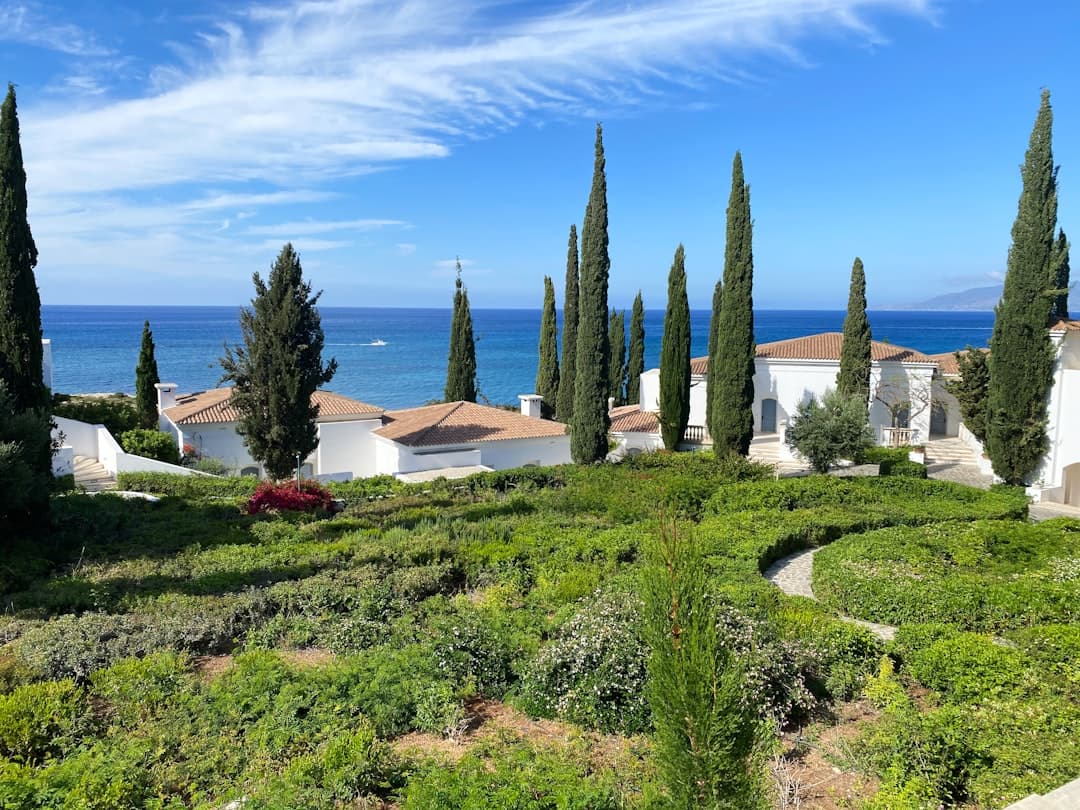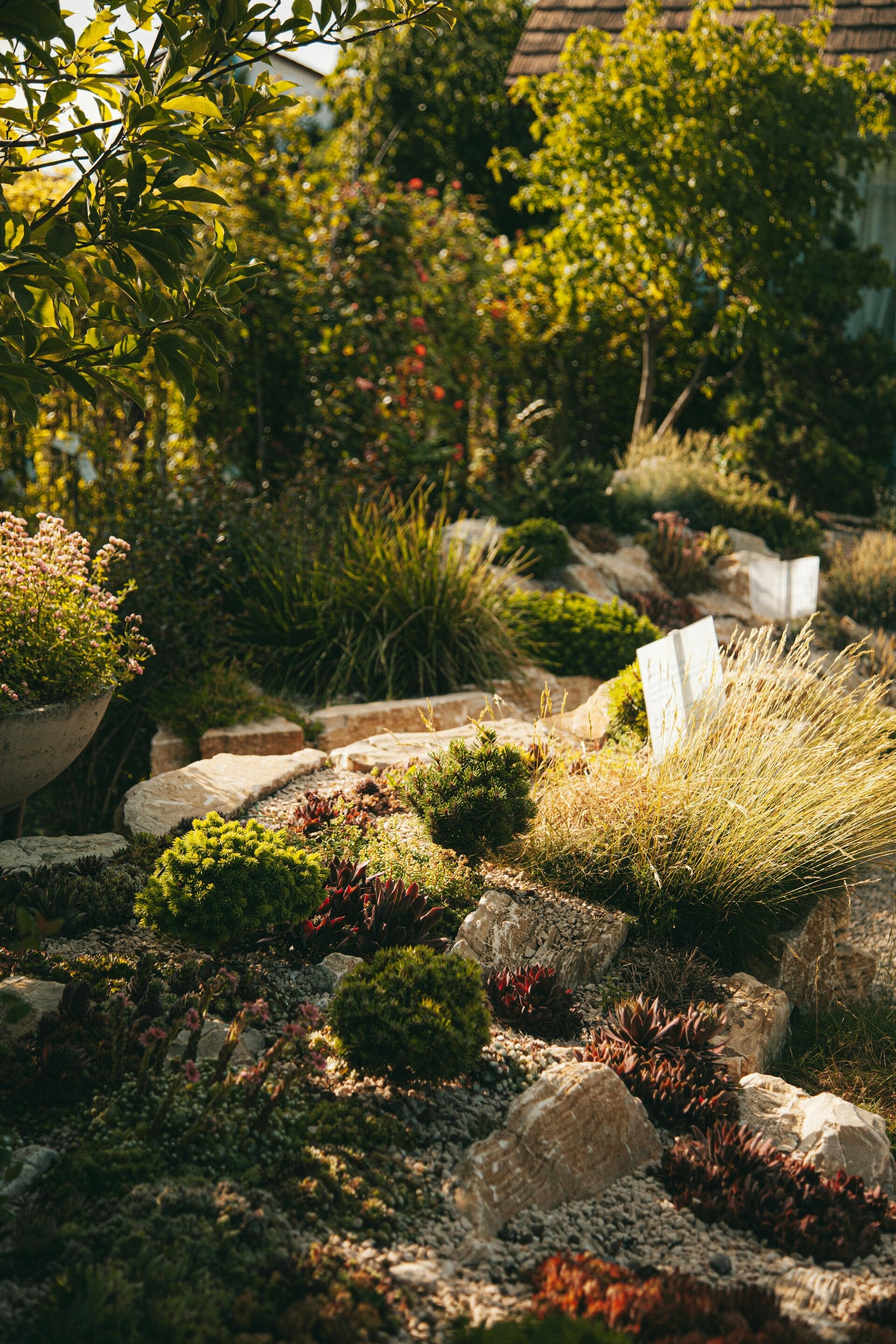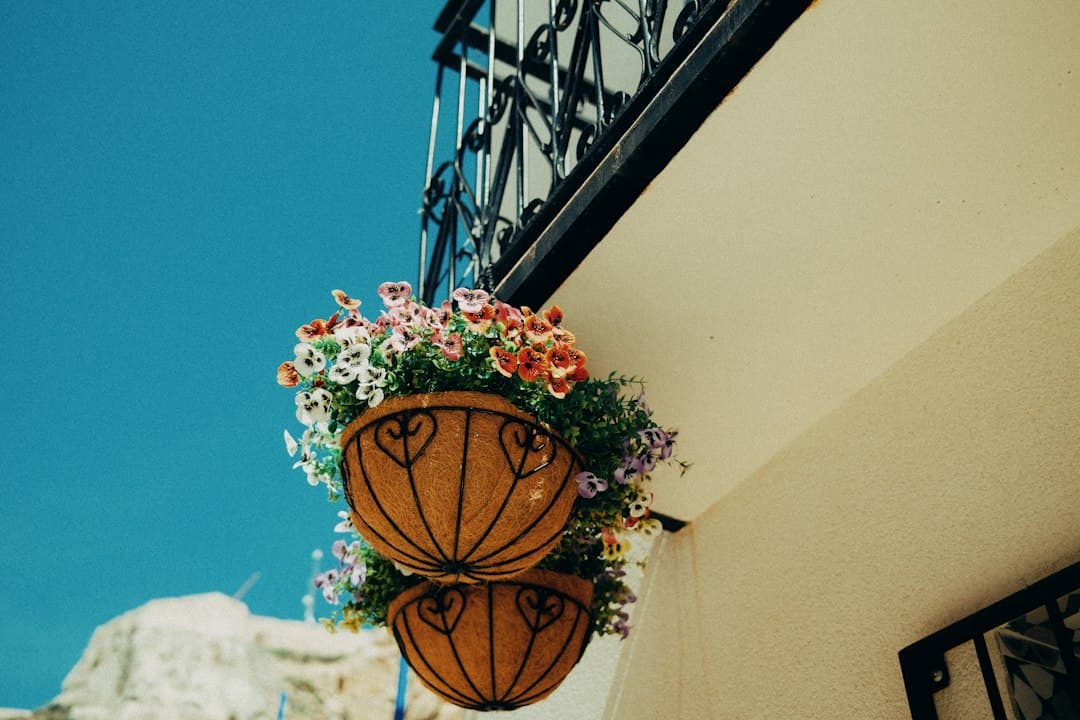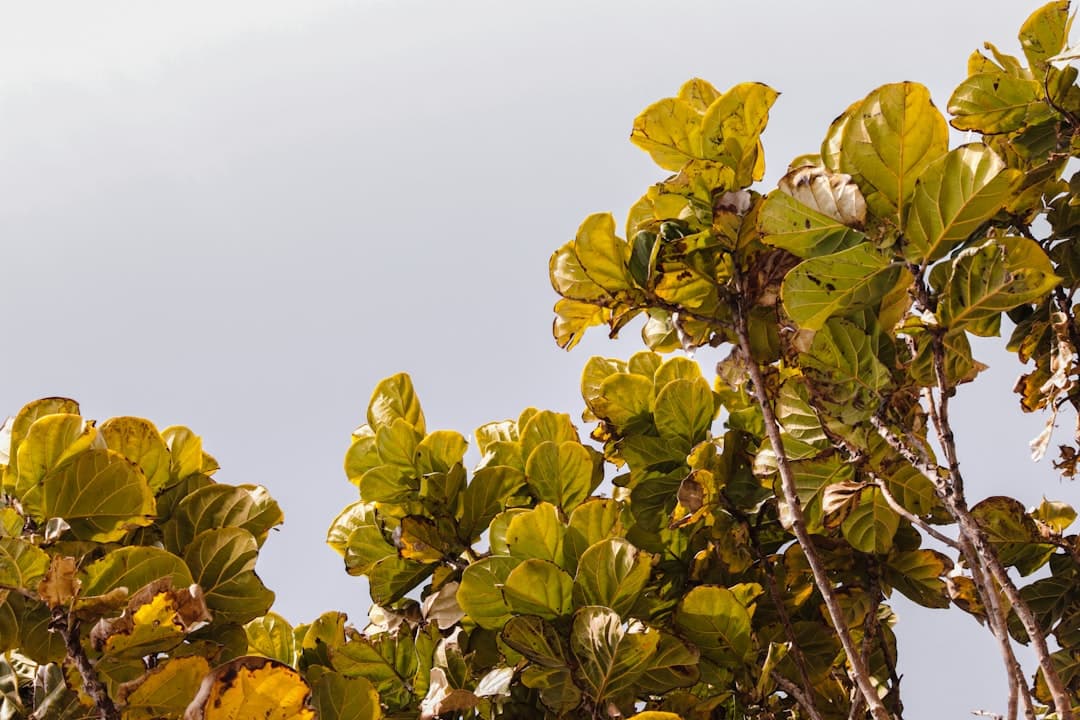
Creating a stunning garden in Cyprus doesn't mean compromising with water scarcity challenges. Drought-tolerant plants for Cyprus offer the perfect solution for homeowners seeking beautiful, sustainable landscapes that thrive in our Mediterranean climate. With our island's limestone-rich alkaline soil and USDA zone 10b conditions, selecting the right water-wise plants ensures your garden remains vibrant year-round while conserving precious water resources.
In this comprehensive guide, we'll explore the best drought-resistant plants that flourish in Cyprus, proven landscaping strategies from our decade-plus of Mediterranean gardening experience, and practical tips for creating your own water-efficient paradise.
Understanding Cyprus's Unique Growing Conditions
Cyprus presents unique challenges and opportunities for drought-tolerant gardening. Our Mediterranean climate features hot, dry summers with temperatures often exceeding 35°C and minimal rainfall from June through September. The island's alkaline soil, with pH levels typically ranging from 7.5 to 8.5, combined with limestone bedrock, creates specific conditions that many drought-resistant plants actually prefer.
Water restrictions during summer months make xerophytic gardening not just environmentally responsible but practically essential. We've found in our projects that gardens designed with drought tolerance in mind actually require 60-70% less irrigation than traditional European-style landscapes.
Key factors to consider for Cyprus gardens include:
- Soil drainage: Limestone naturally provides excellent drainage, preventing root rot
- Salt tolerance: Coastal properties need plants that withstand salt spray
- Wind resistance: Strong meltemi winds require sturdy, flexible plants
- Heat reflection: Light-colored surfaces and plants help manage extreme temperatures
Top Native and Adapted Drought-Tolerant Trees
Trees form the backbone of any successful Mediterranean landscape, providing essential shade and structure. Native Cyprus trees offer unmatched drought tolerance because they've evolved specifically for our conditions over millennia.
The Carob tree (Ceratonia siliqua) stands as Cyprus's most iconic drought-resistant tree. These magnificent specimens require zero irrigation once established (typically after 2-3 years) and can live for centuries. Their deep taproot system, extending up to 20 meters down, accesses groundwater unavailable to shallow-rooted plants.
Olive trees (Olea europaea) represent another cornerstone of Cypriot landscapes. Varieties like Koroneiki and Kalamon not only provide beautiful silvery foliage but also produce edible fruit. We recommend spacing olive trees 4-6 meters apart for optimal growth and air circulation.
For faster-growing options, consider these excellent choices:
- Aleppo Pine (Pinus halepensis): Grows 30-60cm annually, tolerates poor soil
- Cyprus Cedar (Cedrus brevifolia): Endemic species, extremely hardy
- Terebinth (Pistacia terebinthus): Stunning autumn colors, very drought-resistant
- Judas Tree (Cercis siliquastrum): Beautiful spring flowers, moderate growth rate
Essential Drought-Resistant Shrubs and Perennials
Shrubs and perennials create the garden's living framework, providing color, texture, and seasonal interest while requiring minimal water. Lavender (Lavandula stoechas and L. angustifolia) thrives exceptionally in Cyprus's alkaline soil, blooming from April through October with proper pruning.
Rosemary (Rosmarinus officinalis) serves dual purposes as both ornamental and culinary plant. The prostrate varieties like 'Prostratus' work excellently as groundcover on slopes, while upright forms like 'Miss Jessopp's Upright' create beautiful hedging.
Our team frequently incorporates these proven performers:
Flowering shrubs:
- Bougainvillea: Blooms 8-10 months yearly, requires support structure
- Oleander (Nerium oleander): Flowers continuously, extremely salt-tolerant
- Rock Rose (Cistus species): Spring blooms, aromatic foliage
- Sage (Salvia species): Multiple varieties, attracts beneficial insects
Architectural plants:
- Agave americana: Dramatic focal points, 15-20 year bloom cycle
- Prickly Pear Cactus (Opuntia ficus-indica): Edible fruit, zero water needs
- Euphorbia species: Diverse forms, striking winter interest
- Yucca filamentosa: Tall flower spikes, evergreen structure
Creating Water-Wise Garden Design Principles
Successful drought-tolerant gardening in Cyprus requires strategic design thinking beyond simply choosing resistant plants. Microclimates within your garden significantly affect plant performance, and understanding these variations allows for more efficient water use and healthier plants.
Grouping plants by water needs (hydrozoning) maximizes irrigation efficiency. Place higher-water plants near the house where they're easily accessible for occasional watering, while positioning the most drought-resistant species in outlying areas. We typically design gardens with three zones: oasis (near house), transition (moderate water), and xeriscape (no irrigation).
Soil preparation proves crucial for long-term success. While Cyprus's limestone soil drains well, adding 20-30% compost improves water retention without creating waterlogged conditions. Mulching with local materials like pine bark or gravel reduces water evaporation by up to 50% while suppressing weeds.
Design strategies that enhance drought tolerance include:
- Terracing slopes: Prevents water runoff, increases infiltration
- Creating windbreaks: Reduces water loss from transpiration
- Strategic shade placement: Protects vulnerable plants during peak summer
- Hardscape integration: Patios and paths reduce planted area requiring water
A mature drought-tolerant tree also deserves to be seen after dark; a set of aimable solar spotlights uplights the canopy with no cable trenched through the root zone, which matters for exactly the established specimens this whole approach protects.
Consider visiting our our recent work to see examples of successful drought-tolerant landscapes we've created throughout Paphos and surrounding areas.
Maintenance Tips for Long-Term Success
Proper maintenance ensures your drought-tolerant garden remains beautiful while using minimal water resources. Deep, infrequent watering encourages deep root development, making plants more resilient during dry periods. Water established plants 1-2 times per week during summer, applying 25-30mm each session rather than daily light watering.
Pruning timing significantly impacts drought tolerance. Prune Mediterranean shrubs like lavender and rosemary immediately after flowering (typically May-June) to avoid stimulating new growth before summer heat. This allows plants to harden off before facing peak stress conditions.
Fertilization should be minimal and strategic. Over-fertilizing encourages excessive growth that requires more water. Apply slow-release, low-nitrogen fertilizer once yearly in early spring, or use compost as a natural alternative.
Note how little of this work is evenly spread. Pruning has a narrow window, fertilising happens once, and watering matters most for a few months. That pattern is why the choice between a maintenance contract and paying per visit works out differently for a drought-tolerant garden than for a thirsty one, and per-visit is not automatically the cheaper of the two.
Our team has developed these seasonal maintenance guidelines:
Spring (March-May):
- Light pruning of winter-damaged growth
- Mulch replenishment around plants
- Deep watering to encourage root establishment
Summer (June-August):
- Minimal intervention period
- Emergency watering only for stressed plants
- Deadheading spent flowers to encourage continued blooming
Autumn (September-November):
- Major pruning of Mediterranean shrubs
- Planting season for new drought-tolerant additions
- Preparation for winter rains
Winter (December-February):
- No watering except for newly planted specimens
- Planning and design for spring improvements
- Maintenance of hardscape elements
For professional guidance on implementing these strategies, explore our comprehensive services designed specifically for Mediterranean gardening success.
Frequently Asked Questions
What are the most water-efficient plants for Cyprus gardens?
The most water-efficient plants for Cyprus include native species like carob trees, olive trees, and Cyprus cedar, along with Mediterranean adaptations such as lavender, rosemary, and bougainvillea. These plants require no supplemental watering once established (typically after 2-3 years) and actually prefer Cyprus's alkaline soil conditions.
How often should I water drought-tolerant plants in Cyprus?
Water drought-tolerant plants deeply 1-2 times per week during summer months, applying 25-30mm of water per session. Newly planted specimens require more frequent watering (every 2-3 days) for the first year until their root systems establish. Reduce watering to once weekly or less during autumn and eliminate irrigation entirely during winter months.
Which drought-resistant plants work best in coastal areas of Cyprus?
Coastal Cyprus gardens benefit from salt-tolerant species like oleander, tamarisk, sea lavender (Limonium), and prickly pear cactus. These plants withstand both drought conditions and salt spray from sea winds. Avoid plants with large, soft leaves that are susceptible to salt damage.
When is the best time to plant drought-tolerant species in Cyprus?
Plant drought-tolerant species during autumn (October-November) or early spring (February-March) when temperatures are moderate and natural rainfall helps establishment. Avoid summer planting, as newly installed plants struggle with immediate heat stress and require excessive watering during their most vulnerable period.
Ready to transform your property into a stunning, water-wise Mediterranean paradise? Our experienced team specializes in creating beautiful, sustainable landscapes perfectly suited to Cyprus's unique conditions. Get in touch today to discuss your drought-tolerant garden project and discover how more than a decade of local expertise can bring your vision to life.
Green Planet Gardening
Luxury garden design, construction, and maintenance across Cyprus. Founded by the Knodaritis brothers with over a decade of Mediterranean landscaping excellence.
Book a free consultation →