
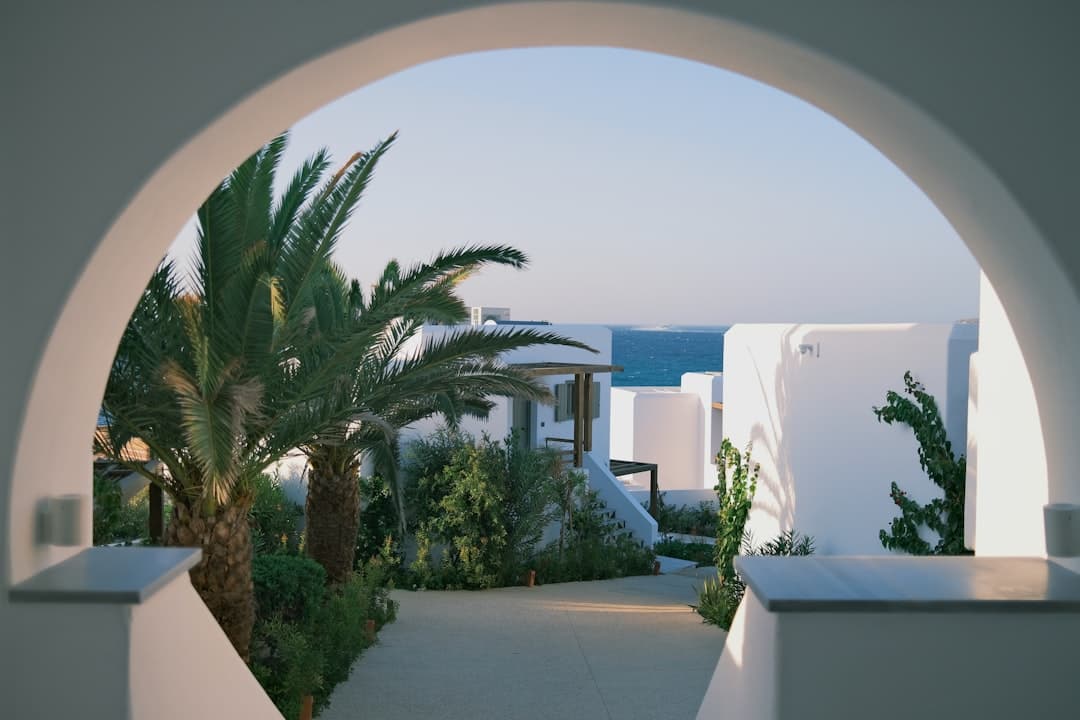
The last week of August in Cyprus still feels like summer's grip refuses to loosen — but for anyone eyeing a garden renovation, this is precisely when the countdown begins. Garden renovation in Cyprus is best planned in late August through early September, so that soil preparation, hardscaping, and irrigation work are finished in time for the October–November planting window, when cooling soil and returning rains give new plants their best possible start. Wait until the first rains actually arrive to start planning, and you'll be installing plants into cold, sodden ground months behind schedule.
When Is the Best Time to Start a Garden Renovation in Cyprus?
Quick answer: The ideal time to start planning a Cyprus garden renovation is 6–8 weeks before autumn planting begins — meaning late August to mid-September for most of the island. This gives you enough time to complete soil analysis, hardscaping, irrigation upgrades, and plant sourcing before the optimal planting window opens in October, once daytime temperatures drop below 28°C and the first meaningful rains soften the ground.
Cyprus gardeners work against a different calendar than clients in Northern Europe reading the same gardening magazines. Our summers are punishing — often exceeding 40°C in inland areas like Nicosia — which makes June through August the worst possible time to disturb root systems or transplant anything. Autumn, by contrast, is a gift: warm soil, cooling air, and (usually) the first proper rain since April.
Why Autumn Beats Spring for Cyprus Planting
Mediterranean horticulturists have long favored autumn planting over spring, and the reasoning is straightforward:
- Soil temperature stays warm (often 22–26°C at 10cm depth in October) even as air temperature cools, encouraging vigorous root establishment without top-growth stress.
- Root systems get 5–6 months to establish before next summer's heat arrives, versus only 2–3 months if planted in spring.
- Natural rainfall does the irrigation work for you, cutting establishment watering costs dramatically.
- Transplant shock is minimized because plants aren't simultaneously fighting heat stress and root disturbance.
💡Pro Tip
Plants installed in October or November typically need 30–40% less supplemental irrigation during their first summer compared to spring-planted specimens, simply because their root systems have had a full autumn and winter to spread before the heat arrives.
The Risk of Waiting Too Long
Many homeowners make the mistake of waiting for the first rain to "feel" like starting a project. By then, contractors are booked solid, nurseries are picked over on popular varieties, and you've lost 4–6 weeks of prime planting time. If you're weighing whether now is the moment to commit, our guide on choosing the right luxury landscape partner in Cyprus walks through how to vet a design-build team quickly enough to still hit the autumn window.
What Does a Realistic Garden Design Timeline Look Like in Cyprus?
A well-run renovation isn't a single event — it's a sequence of dependent phases, each of which has a natural deadline if autumn planting is your target.
Phase 1: Site Assessment and Design (Late August)
This is where soil testing, drainage assessment, sun-mapping, and irrigation audits happen. A proper soil test — checking pH, salinity, and organic matter — takes 5–10 days to return results from most Cyprus laboratories, so this cannot be left until the last minute. Most Cyprus soils run alkaline, with pH readings between 7.5 and 8.5, which directly affects which plants will thrive and which will chlorotic and struggle regardless of how much you water them.
Phase 2: Hardscaping and Structural Work (Early-Mid September)
Paths, retaining walls, irrigation trenching, and any electrical work for lighting should happen now, while the ground is dry and workable. This is also the moment to think ahead about resilience — if last summer's outages affected your property, it's worth reading what the summer of 2026 power cuts mean for garden lighting and irrigation timers before you finalize electrical plans, since solar-powered options can be integrated into this same phase far more cheaply than retrofitted later.
Phase 3: Soil Preparation (Mid-Late September)
Once hardscaping is done, soil amendment begins in earnest — more on this below. This phase typically takes 2–3 weeks depending on how compacted or depleted the existing soil is.
Phase 4: Planting (October–November)
The reward phase. With soil prepared and irrigation tested, planting can proceed as soon as daytime highs consistently sit below 28–30°C.
6-8
Weeks Ideal Planning Lead Time
22-26°C
Optimal Autumn Soil Temp
30-40%
Less Irrigation Needed for Autumn-Planted Specimens
pH
7.5-8.5 Typical Cyprus Soil Alkalinity
How Should You Prepare Soil for Autumn Planting in Cyprus?
Soil preparation is the single most under-invested step in Cyprus garden renovations, and it's the one most directly responsible for whether new plantings thrive or limp along for years.
Testing and Amending Alkaline Soil
Because most Cyprus soils are naturally calcareous and alkaline, plants like camellias, azaleas, and blueberries will struggle no matter how carefully you plant them. Before amending anything, get a proper soil test — it should tell you pH, salinity levels (particularly important near coastal properties in Limassol and Paphos), and organic matter content.
Once you have results, common amendments include:
- Composted organic matter (5–8cm worked into the top 20–30cm) to improve structure and water retention
- Elemental sulfur in small doses to gradually lower pH for acid-loving specimens, applied 4–6 weeks before planting
- Coarse sand or perlite where drainage is poor, particularly in the heavier clay soils found inland around Nicosia
⚠️Important
Never apply elemental sulfur and lime at the same time, and always test soil before adding either — over-correcting pH is a common and costly mistake that can take a full growing season to reverse.
Clearing and Resetting Irrigation Before Planting
Autumn is also the ideal moment to audit your irrigation system before it's buried under new plantings. Check drip lines for summer sun damage, cracked fittings, and clogged emitters — a problem that's far easier to fix on bare soil than after new root balls are in the ground. If your renovation includes a shift toward lower water-use planting, this is the natural moment to redesign zones; our drought-resistant Cyprus garden design guide covers how to group plants by water need so your irrigation controller can run shorter, more efficient cycles per zone.
Mulching to Lock In Autumn Moisture
Once planting is complete, a proper mulch layer is what protects that investment through the following summer. A 5–7cm layer of organic mulch — pine bark, composted wood chips, or straw — reduces evaporation, suppresses weeds, and moderates soil temperature swings. For a full breakdown of which mulch materials perform best under Cyprus conditions, see our complete guide to choosing mulch for Cyprus gardens.
🌿Eco Tip
Composted green waste from local municipal recycling schemes makes an excellent, low-cost soil amendment for autumn planting — check with your local council, as several Cyprus municipalities now offer it free or at minimal cost to residents.
Which Plants Should You Choose for an Autumn Renovation?
The plant palette you choose during renovation planning should be selected specifically for autumn installation — not simply "Mediterranean plants" in general, but species that respond well to being placed in cooling, moistening soil.
Trees and Structural Plantings
Autumn is the single best time to plant trees in Cyprus, since their extensive root systems benefit enormously from a full season of cool-weather establishment before summer stress arrives.
Olive Tree
Olea europaea
The definitive Cyprus tree — thrives in alkaline soil, tolerates drought once established, and benefits enormously from autumn planting, which allows root systems to establish before the first summer heat.
Strawberry Tree
Arbutus unedo
A native Mediterranean evergreen with attractive bark, autumn flowers, and edible fruit — excellent as a specimen or informal screen, and well suited to the alkaline soils common across Cyprus.
Shrubs and Ground Covers for Structure
Filling in the mid-layer of a renovated garden with drought-tolerant shrubs planted in autumn gives you a season of establishment before you even think about summer irrigation demands.
Rosemary
Salvia rosmarinus
An essential Mediterranean staple — aromatic, deer-resistant, and virtually maintenance-free once established. Plant in October for strong root development ahead of a low-water summer regime.
Bulbs and Seasonal Color
Don't neglect bulbs during an autumn renovation — many of the most reliable Mediterranean bulbs are planted precisely in this window for spring flowering, including narcissus, freesia, and anemone corms, which should go into the ground from late October through November once soil has cooled further.
The biggest difference between a garden that struggles through its first Cyprus summer and one that sails through it isn't the plant selection — it's whether the client started renovation planning in August instead of waiting for the first rain. By the time it rains, you've already lost the advantage.
How Do You Sequence a Renovation Without Disrupting an Existing Garden?
For properties with mature plantings, the challenge isn't a blank slate — it's renovating around what already works while replacing what doesn't.
Auditing What to Keep
Walk the property in late August with a critical eye. Mature trees, established hedges, and any specimen that has survived multiple Cyprus summers without heavy irrigation are almost always worth preserving and designing around, rather than removing. Renovation should subtract failing or water-hungry elements, not wipe the slate clean.
Phasing Work Around Established Root Zones
When hardscaping or trenching for irrigation near existing trees, stay outside the drip line wherever possible to avoid root damage that won't show symptoms until the following summer, when the tree is under heat stress and can least afford compromised roots.
Aligning Renovation With Your Annual Maintenance Calendar
A renovation isn't a one-off event disconnected from the rest of the gardening year — it needs to slot into an ongoing maintenance rhythm. If you're unsure how autumn planting fits alongside pruning, feeding, and irrigation adjustments through the rest of the year, our month-by-month maintenance calendar for a Limassol villa garden is a useful reference for understanding what comes next once the renovation itself is complete.
💡Pro Tip
Schedule your final irrigation system test at least two weeks before planting, not after — this gives you time to fix any pressure or coverage issues before roots are in the ground and less forgiving of a missed zone.
FAQ
When is the best time to start a garden renovation in Cyprus?
The best time to begin planning a garden renovation in Cyprus is late August to early September, roughly 6–8 weeks before the optimal autumn planting window opens in October. This lead time allows for soil testing, hardscaping, and irrigation work to be completed while the ground is still dry and workable.
How long does a typical garden renovation take before planting?
Most Cyprus garden renovations require 4–6 weeks from initial site assessment to planting-ready soil, assuming hardscaping needs are moderate. Larger projects involving significant regrading, retaining walls, or full irrigation redesign can take 8–10 weeks, which is why starting in late August rather than late September matters.
Can I plant immediately after amending Cyprus soil, or should I wait?
It's best to wait 2–3 weeks after major soil amendments, particularly pH adjustments using sulfur or lime, before planting. This allows amendments to integrate fully into the soil profile and avoids exposing new roots to an unstable chemical environment.
Is autumn really better than spring for planting in Cyprus?
Yes — autumn planting gives new plants 5–6 months of cool, moist conditions to establish roots before the following summer's heat, compared to only 2–3 months if planted in spring. This typically results in stronger root systems and significantly lower irrigation needs during the plant's first Cyprus summer.
Ready to make this the year your garden gets ahead of the season instead of chasing it? Book a free consultation with Green Planet Gardening before the autumn planting window opens, and let our team turn late-summer planning into a garden that thrives from its very first Cyprus winter.
Green Planet Gardening
Luxury garden design, construction, and maintenance across Cyprus. Founded by the Knodaritis brothers with over a decade of Mediterranean landscaping excellence.
Book a free consultation →Continue Reading
 LandscapingLandscaping
 Landscaping