
How to Plant a Cyprus Rock Garden: Complete Autumn Design Guide for Dry Slopes
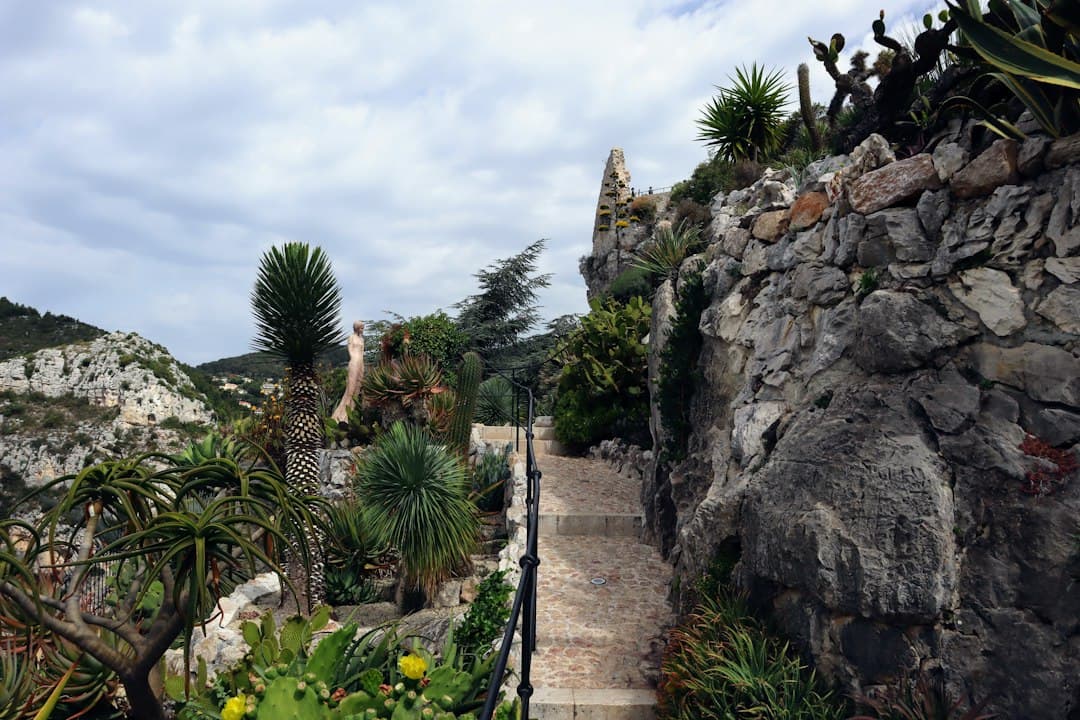
If you've ever stared at a stony, sun-blasted slope in your Cyprus garden and wondered if anything could ever thrive there, the answer is a resounding yes — and autumn is precisely when to start. Learning how to plant a Cyprus rock garden transforms a frustrating liability (poor soil, awkward gradient, relentless drainage) into the most characterful, low-maintenance feature of your landscape. With the right stone selection, planting technique, and a palette of Mediterranean-hardy species, a rock garden doesn't just survive our climate — it becomes the one part of the garden that genuinely looks better in August than in April.
Quick Answer: The best time to plant a rock garden in Cyprus is October to December, when cooler soil temperatures (18-24°C) and seasonal rains allow root systems to establish before summer stress arrives. Success depends on three factors: excavating true drainage (not just adding gravel on top), selecting local limestone or river stone that matches your soil's pH, and choosing Mediterranean-native or adapted species like thyme, euphorbia, rosemary, and dwarf junipers that evolved for exactly this growing environment.
Why Autumn Is the Right Time to Plant a Rock Garden in Cyprus
Cyprus gardeners who plant rock gardens in spring are setting themselves up for a summer of hand-watering and losses. Autumn planting — specifically late October through early December — gives root systems eight to ten weeks of mild, moist conditions before the heat returns.
Soil and Air Temperature Advantages
By mid-October, soil temperatures across the island typically drop from summer highs of 30°C+ down to a much more hospitable 18-22°C. This matters enormously for rock garden plants, most of which are Mediterranean natives with root systems that actively grow during cool, moist periods and go semi-dormant in summer heat. Planting now means roots are expanding exactly when the plant wants them to.
Natural Rainfall Does the Watering For You
Cyprus typically receives the bulk of its annual rainfall — averaging around 480-500mm — between November and March. An autumn-planted rock garden can often establish on rainfall alone, with only occasional supplemental watering, compared to a spring planting that demands weekly intervention through a brutal first summer.
💡Pro Tip
Plant in the two weeks following the first substantial autumn rain (usually mid-to-late October). The ground will be soft enough to dig without power tools, yet not waterlogged.
Avoiding Transplant Shock Before Summer Stress
A plant given a full autumn-winter-spring runway to establish roots will handle its first Cyprus summer far better than one planted in April with six weeks to prepare for 38°C days. This single timing decision is often the difference between a rock garden that thrives for a decade and one that needs constant replacement.
What Plants Grow Best in a Rock Garden in Cyprus?
This is the question every Cyprus gardener searches for, and the answer is refreshingly specific: the best rock garden plants for Cyprus are drought-adapted Mediterranean and sub-tropical species with low nutrient requirements, extensive or deep root systems, and foliage adapted to intense UV exposure — typically silver, grey, or small waxy leaves.
Groundcover and Creeping Plants
Low, spreading plants knit the garden together and suppress weeds without competing for the shallow rooting zones around stones.
Creeping Thyme
Thymus serpyllum
Forms a dense aromatic mat over rock surfaces, flowering pink-purple in late spring. Thrives in the alkaline, limestone-rich soils common across Cyprus and tolerates being walked on occasionally.
Rock Rose
Cistus × purpureus
A Mediterranean native shrub producing papery pink flowers each May. Exceptionally drought-tolerant once established and ideal for stabilizing loose slope soil with its wide root spread.
Structural and Architectural Specimens
Every rock garden needs vertical or sculptural elements to prevent it looking flat. Dwarf conifers, euphorbias, and agaves provide year-round structure even when flowering plants are dormant.
Mediterranean Spurge
Euphorbia characias
Bold, architectural lime-green flower spikes in late winter and spring. Extremely drought-tolerant and self-seeds gently, naturalizing beautifully among rocks without becoming invasive.
Bulbs and Seasonal Color
Mediterranean bulbs are rock garden royalty — many evolved specifically to grow in rocky, free-draining mountain soils and go dormant through summer drought, which is precisely the rock garden environment.
- Cyprus crocus and species tulips for late winter color
- Ornamental allium for early summer architectural seed heads
- Sternbergia (autumn daffodil) — flowers in September-October, perfectly timed with your planting season
🌿Eco Tip
Choose bulbs labeled "species" rather than hybridized varieties where possible — they require far less water and division maintenance, and many are genuinely native to the Eastern Mediterranean.
For a broader look at pairing these species with a full low-water garden plan, see our guide to xeriscaping in Cyprus: low-water garden design for hot summers.
How Do You Landscape a Sloped Garden in Cyprus?
Sloped sites are actually ideal for rock gardens — gravity assists drainage, which is the single hardest condition to engineer artificially. But slopes bring their own design and engineering challenges that must be solved before a single plant goes in the ground.
Terracing vs. Natural Contour Planting
For slopes steeper than roughly 25-30%, terracing with dry-stone retaining walls prevents soil erosion and creates flat planting pockets. For gentler slopes (under 20%), you can often work with the natural contour, using larger boulders as informal "steps" that slow water runoff without full terracing.
Preventing Erosion During Heavy Winter Rains
Cyprus winter storms can deliver 40-50mm of rain in a single event. On bare slopes, this causes serious topsoil loss before plants establish. Install erosion control measures — jute matting, strategically placed rocks, or temporary groundcover sowing — immediately after planting, not weeks later.
⚠️Important
Never leave a newly planted slope bare going into the winter rain season. A single heavy downpour on unprotected, loosened soil can wash out young plants and undo weeks of work.
Creating Pathways and Access for Maintenance
Even the most drought-tolerant rock garden needs occasional weeding, pruning, and mulch top-ups. Build in flat stepping stones or a narrow gravel path at the design stage — retrofitting access later means disturbing established root systems.
What's the Best Drainage Setup for a Rock Garden in Cyprus?
Drainage is not a cosmetic layer of gravel on top of ordinary soil — it's an engineered profile, and getting this wrong is the number one reason rock gardens fail within their first two years.
Excavating the Drainage Layer Properly
Dig out the planting area to a depth of 40-50cm. Line the base with a 15-20cm layer of coarse rubble or broken stone (builder's rubble from local demolition sites works well and is often free). This creates a subsurface reservoir that moves water away from root zones rather than letting it pool.
Choosing the Right Growing Medium
Cap the rubble layer with a free-draining planting mix: roughly 60% coarse sand or grit, 30% local soil, and 10% compost. This mimics the mineral-rich, low-organic-matter soils that Mediterranean rock garden plants evolved in. Avoid rich, moisture-retentive compost-heavy mixes — they encourage root rot far faster than drought ever kills these plants.
Slope Angle and Water Runoff Direction
Grade your growing medium at a slight angle (5-10%) away from any structures and toward a designated runoff point. This ensures excess winter rainfall has somewhere to go rather than saturating the root zone of plants that are specifically adapted to resent "wet feet."
300+
Sunny Days/Year
35°C+
Summer Peaks
500mm
Annual Rainfall
For more detail on building this kind of resilient, water-wise foundation across your whole garden, our drought-resistant Cyprus gardens design guide is an excellent companion resource.
How Do You Choose Stone for a Mediterranean Rock Garden?
Stone selection isn't just aesthetic — it affects soil pH, heat retention, and even which plants will genuinely thrive. This is where many rock gardens succeed or fail visually, regardless of how good the planting is.
Local Limestone vs. Imported Stone
Cyprus's native limestone (abundant across the Troodos foothills and coastal regions) is the obvious first choice: it's locally sourced, weathers to beautiful pale gold and grey tones, and — crucially — raises soil pH slightly, which suits the vast majority of Mediterranean rock garden plants perfectly. Imported granite or basalt looks dramatic but is often pH-neutral or acidic and considerably more expensive to transport.
Matching Stone Size to Garden Scale
As a rule of thumb: use larger "anchor" boulders (40-80cm) sparingly as focal points — roughly one per 3-4 square meters — then surround them with a graduated mix of medium stones (15-30cm) and smaller scattered stones (5-10cm). This mimics natural scree formations and avoids the "stones scattered on a slope" look that reads as artificial.
Positioning Stones for Natural Appearance
Bury at least one-third of each stone's volume below the soil surface. Stones that sit entirely on top of the ground, unburied, look obviously placed rather than naturally occurring — a mistake visible from ten meters away in even the most expensive gardens.
A rock garden should look like the plants found the stones, not the other way around. The best compliment a client can give us is that their neighbors assume the rock garden was always there.
How Do You Mulch and Maintain a Cyprus Rock Garden Long-Term?
A well-built rock garden is genuinely low-maintenance, but "low" isn't "zero" — a few seasonal tasks keep it thriving for decades rather than years.
Mulching Between Plants and Stones
A layer of fine gravel or decomposed granite (2-3cm) around plant crowns serves double duty: it suppresses weeds and reflects heat away from root collars during peak summer. Avoid organic bark mulches here — they retain moisture against stems, which is the opposite of what these drought-adapted species need. Our full comparison in the best mulch for Cyprus gardens guide covers which materials suit which garden zones.
Seasonal Pruning and Deadheading
Cut back woody Mediterranean sub-shrubs like thyme, rosemary, and lavender by roughly one-third immediately after spring flowering. This prevents the "woody, bare center" look that these plants develop after 3-4 years if left unpruned, and encourages dense, cushion-like regrowth.
Watering Schedule for the First Two Years
Even drought-tolerant rock gardens need support while establishing:
- Weeks 1-4 after planting: water twice weekly if no rain falls
- Months 2-6: reduce to weekly, deep soaks rather than frequent light watering
- Year two onward: supplemental watering only during extended dry spells exceeding 3-4 weeks in summer
💡Pro Tip
Water deeply and infrequently rather than little and often. Deep watering encourages roots to grow downward in search of moisture, which is exactly the resilience you want in a rock garden.
Common Mistakes When Planting a Cyprus Rock Garden
Even experienced gardeners trip over a handful of recurring errors specific to our climate and terrain.
Overwatering Established Plants
Once rock garden plants are through their first full summer, most need dramatically less water than instinct suggests. Continued heavy watering is the leading cause of plant loss in year two and three — not drought.
Ignoring Microclimate Variation on Slopes
A south-facing slope can run 5-8°C hotter than a north-facing one just meters away, and a spot at the slope's base collects more moisture than its crest. Map these variations before finalizing your planting plan, placing the most drought-tolerant species (cistus, euphorbia, dwarf agave) at the hottest, driest high points.
Neglecting Structural Trees for Shade and Framing
A rock garden benefits enormously from one or two well-placed, deep-rooted trees that provide dappled afternoon shade without competing aggressively for surface moisture. Species recommendations and spacing guidance are covered thoroughly in our best drought-tolerant trees for luxury Cyprus gardens article.
Frequently Asked Questions
What plants grow best in a rock garden in Cyprus?
The best rock garden plants for Cyprus are drought-tolerant Mediterranean natives including creeping thyme, rock rose (Cistus), Mediterranean spurge (Euphorbia characias), rosemary, lavender, dwarf junipers, and species bulbs like sternbergia and crocus. These plants share deep or wide root systems, silver or waxy foliage, and natural dormancy patterns that align with Cyprus's hot, dry summers.
When is the best time to plant a rock garden in Cyprus?
Late October through early December is ideal, taking advantage of cooling soil temperatures and the start of the autumn rainy season, which allows roots to establish over winter before facing summer heat stress.
How deep should drainage be for a Cyprus rock garden?
Excavate to 40-50cm and install a 15-20cm layer of coarse rubble or broken stone beneath the planting medium. This engineered drainage layer is essential on clay-heavy Cyprus soils, which otherwise retain water and cause root rot in drought-adapted species.
Can I build a rock garden on a steep slope?
Yes — slopes over 25-30% typically require dry-stone terracing to prevent erosion, while gentler slopes can use large boulders as informal contour steps. Always install erosion protection immediately after planting to survive the first winter's rains.
Designing a rock garden that thrives for decades — rather than needing constant replanting — comes down to getting drainage, stone selection, and timing right from day one. If you'd like expert eyes on your slope before you dig, book a free consultation with Green Planet Gardening and our design team will help you turn even the most stubborn dry slope into the standout feature of your Cyprus garden.
Green Planet Gardening
Luxury garden design, construction, and maintenance across Cyprus. Founded by the Knodaritis brothers with over a decade of Mediterranean landscaping excellence.
Book a free consultation →Continue Reading
 Garden Design
 Garden Design
 Garden Design