
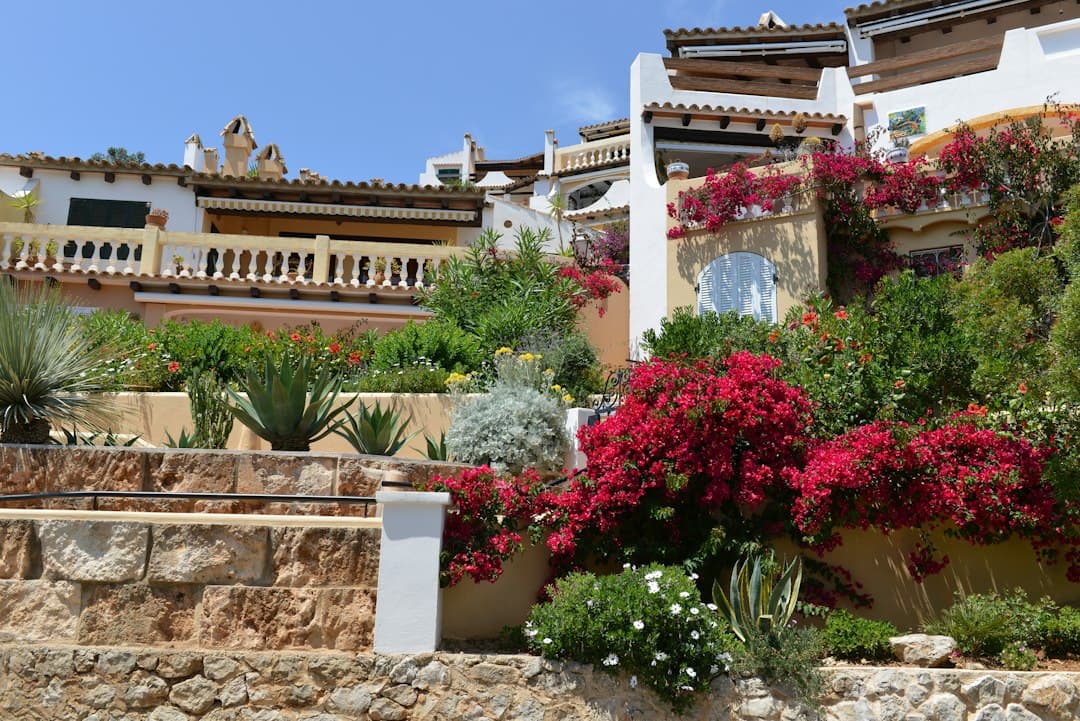
How to Plant a Succulent and Cactus Garden in Cyprus This Autumn
Walk through any traditional Cypriot village in October and you'll spot them: fat paddles of prickly pear tumbling over stone walls, rosettes of aeonium catching the slanting autumn light, agave spears standing sentinel by a gate. A succulent and cactus garden in Cyprus isn't a trend borrowed from Arizona — it's a return to what the island's climate has always rewarded. If you've been dreaming of a textural, drought-proof corner of your garden that barely sips water, autumn is quite simply the best moment of the entire year to begin.
Quick answer: The best time to plant succulents and cacti in Cyprus is between late September and November, once the punishing summer heat breaks but the soil is still warm enough to encourage fast root establishment before winter rains arrive. Planting now gives roots 4–5 months to settle in before next summer's heat stress.
When Is the Best Time to Plant Succulents and Cacti in Cyprus?
Why Autumn Beats Spring on This Island
Most Northern European gardening advice points to spring planting — but Cyprus runs on a different clock. Our summers are too brutal for new roots to establish (soil temperatures at 10cm depth regularly exceed 35°C in July and August), and our "growing season" for drought-tolerant plants is really the mild, moist stretch from October through April. Planting in autumn means:
- Soil retains residual summer warmth (ideal for root growth, typically 18–24°C in October)
- Reduced watering burden, since natural rainfall begins
- Roots get a full winter and spring to establish before facing their first serious heatwave
Spring-planted succulents, by contrast, face transplant shock right as temperatures climb — a recipe for stress and rot.
Reading Cyprus's Microclimates Before You Plant
Coastal zones (Limassol, Larnaca, Paphos) rarely dip below 5°C, making them hospitable to tender succulents like echeveria and aeonium year-round. Inland and Troodos foothill gardens, however, can see frost by December — so hardier cacti (opuntia, cereus, agave) are the safer bet there. Always check your garden's lowest recorded winter temperature before choosing tender rosette succulents.
💡Pro Tip
If your garden sits above 400m elevation, delay planting the most frost-sensitive succulents (echeveria, sedum morganianum) until a sheltered microclimate is confirmed — a south-facing wall or raised bed near stone can add 2–3°C of frost protection.
What Makes the Perfect Succulent Garden Soil Mix in Cyprus?
The Problem With Cyprus's Native Clay
Much of Cyprus sits on heavy terra rossa or clay-rich soils that hold water for days after rain — precisely the opposite of what cacti need. Succulent roots rot within weeks in waterlogged clay, which is the single most common cause of failure in local gardens. A proper succulent garden soil mix must drain within seconds, not hours.
Building the Right Mix
A reliable, field-tested ratio for Cyprus conditions:
- 40% coarse horticultural sand or crushed local limestone grit
- 30% existing garden soil (for mineral content)
- 20% perlite or pumice
- 10% well-rotted compost (sparingly — succulents dislike rich, nitrogen-heavy soil)
Aim for a soil pH between 6.5 and 7.5, which suits the overwhelming majority of cacti and succulents. Test your native soil first; much of Cyprus's lowland soil already sits comfortably in this range, needing only structural improvement rather than pH correction.
⚠️Important
Never plant succulents directly into unamended clay, even "just for winter." Standing water around the root crown for more than 48 hours is often fatal, especially for opuntia and echeveria.
Raised Beds and Mounding for Better Drainage
If your garden's clay content exceeds 30% (a simple jar test with water will reveal this), skip in-ground planting altogether. Mound your soil mix 20–30cm above grade, or build a raised bed edged with local stone. This single change solves 90% of drainage-related succulent deaths we see across Cyprus gardens. For broader inspiration on working with slopes and stone, our guide to planting a Cyprus rock garden covers mounding techniques that apply beautifully here too.
Which Are the Best Cacti for Cyprus Gardens?
Architectural Cacti for Structure
Start your design with structural "anchor" plants, then fill in around them with smaller rosettes and trailing succulents.
Prickly Pear
Opuntia ficus-indica
Thrives across all of Cyprus, from coast to foothills. Tolerates poor soil and drought once established. Produces edible fruit in late summer. Hardy to -5°C.
Golden Barrel Cactus
Echinocactus grusonii
A striking focal point for sunny beds. Needs sharp drainage and protection below 2°C. Pairs beautifully with gravel mulch and limestone boulders.
Century Plant
Agave americana
Dramatic blue-grey rosettes that handle Cyprus summers without supplemental water after the first year. Excellent for coastal gardens exposed to salt spray.
Best Soft Succulents for Texture and Color
Once your cacti provide structure, layer in soft succulents for color and movement:
- Aeonium arboreum — bronze-purple rosettes that thrive in Cyprus's mild winters
- Sedum spurium — low, spreading groundcover, excellent for edging paths
- Crassula ovata (Jade Plant) — a forgiving, long-lived shrub-like succulent that tolerates both sun and partial shade
- Graptopetalum — silvery, drought-tolerant rosettes ideal for rockery pockets
Plants to Avoid or Use With Caution
Not every succulent sold in Cyprus garden centres is suited to outdoor planting here. Avoid overly tender varieties (like many echeveria hybrids bred for indoor conditions) unless you can guarantee winter protection. Also be cautious with invasive potential — opuntia species can spread aggressively if fruit and pads aren't managed, so site them away from wild or unmanaged land edges.
"The biggest mistake I see in Cyprus succulent gardens isn't choosing the wrong plant — it's choosing the right plant and planting it in the wrong soil. Get the drainage right first, and almost any cactus or succulent will reward you for a decade or more."
How Do You Design a Low Maintenance Cactus Bed?
Layout Principles That Actually Work
A genuinely low maintenance cactus bed is designed, not accidental. Follow a simple three-tier structure:
- Back/center tier — tall architectural specimens (agave, columnar cacti, tree aeoniums)
- Middle tier — medium rosettes and clumping succulents
- Front/edge tier — groundcover sedums and trailing varieties spilling over stone edges
Group plants by water need, not just appearance — this prevents the common error of placing a thirsty aloe next to a bone-dry lithops.
Mulching for a Nearly Hands-Off Garden
Top-dress your bed with 3–5cm of coarse gravel or crushed limestone rather than organic mulch. Unlike wood mulch, mineral mulch:
- Reflects heat away from root crowns in summer
- Prevents rot by keeping stems dry
- Suppresses weeds without retaining excess moisture
For a deeper comparison of mulch types and their water-saving properties across different garden styles, see our complete guide to mulch for Cyprus gardens — though note that succulent beds are one of the few exceptions where mineral, not organic, mulch wins decisively.
Watering Schedule: Less Is Genuinely More
In the first 6–8 weeks after autumn planting, water deeply once every 10–14 days to encourage root establishment. After that, most established cacti and succulents in Cyprus need:
- Autumn/Winter: little to no supplemental water (rainfall usually suffices)
- Spring: every 3–4 weeks
- Summer: every 2–3 weeks for soft succulents; established cacti often need none at all
🌿Eco Tip
A succulent and cactus garden can cut outdoor water use by up to 80% compared to a traditional lawn or bedding display — a meaningful saving given Cyprus's average annual rainfall of just 500mm, concentrated almost entirely between November and March.
How Does a Cactus Garden Fit Into a Wider Drought-Tolerant Landscape?
Pairing With Xeriscape Principles
A succulent bed rarely exists in isolation — it works best as one zone within a broader water-wise landscape. The same hydrozoning logic used in professional xeriscaping design applies directly: group plants with identical water needs together, and place your cactus bed in the driest, sunniest zone of the property where lawn or thirsty shrubs would otherwise struggle.
Combining With Rock and Gravel Features
Stone and succulents are natural partners, both visually and functionally — limestone and local fieldstone reflect heat, improve drainage, and echo the Mediterranean landscape beyond the garden wall. If you're also considering a sloped or rocky section of your property, our guide on building a Cyprus rock garden pairs naturally with this project, and many Green Planet clients combine both features into a single cohesive dry garden.
Long-Term Water and Maintenance Savings
300+
Sunny Days/Year
35°C+
Summer Peaks
500mm
Annual Rainfall
Up
to 80% Less Water Use vs Lawn
Beyond water savings, a well-designed cactus bed also demands far less seasonal labor — no mowing, minimal pruning, and fertilizing needs limited to a single light feed in spring. For gardeners seeking the full picture on drought-resistant design across an entire property, our complete guide to drought-resistant Cyprus gardens is the ideal next read.
Step-by-Step: Planting Your Succulent Garden This Autumn
Preparing the Site
- Choose a full-sun location (minimum 6 hours direct sun)
- Test drainage with a simple dig-a-hole-and-fill-with-water test — it should drain within 30 minutes
- Clear weeds and remove any organic debris that could encourage rot
Planting Technique
- Dig a hole slightly wider than the root ball, but no deeper
- Set the plant so its base sits slightly above surrounding soil grade (prevents water pooling at the stem)
- Backfill with your prepared soil mix, firming gently — never compacting
- Top-dress immediately with gravel mulch
- Water lightly once to settle soil, then withhold water for 5–7 days to let any root damage callus over
💡Pro Tip
Handle cacti with folded newspaper, leather gloves, or a cloth sling rather than bare hands — even "friendly" looking opuntia pads carry nearly invisible glochids that irritate skin for days.
Aftercare Through Winter
Once planted, resist the urge to fuss. Avoid fertilizing until spring, keep the area weed-free, and only intervene with extra water during an unusually dry winter stretch (less than 20mm rainfall across 4–6 weeks).
Frequently Asked Questions
When is the best time to plant succulents and cacti in Cyprus?
The ideal window is late September through November. Soil is still warm enough for strong root establishment, but the brutal summer heat has passed — giving plants months to settle in before next year's dry season.
Can succulents and cacti survive Cyprus winters without protection?
Most Mediterranean-hardy species (opuntia, agave, sedum, aeonium) survive coastal Cyprus winters unprotected, as temperatures rarely drop below 5°C. In inland or elevated areas prone to frost, protect tender rosette succulents with a frost cloth on the coldest nights or site them in a sheltered, south-facing position.
What soil pH do succulents and cacti prefer in Cyprus gardens?
Most cacti and succulents thrive in soil with a pH between 6.5 and 7.5. The majority of Cyprus's lowland soils already fall within this range, so the priority is usually improving drainage rather than adjusting pH.
How often should I water a new cactus bed in Cyprus?
Water newly planted succulents every 10–14 days for the first 6–8 weeks to establish roots. After that, reduce to monthly watering in spring and every 2–3 weeks in peak summer for soft succulents — established cacti often need no supplemental water at all once settled.
Ready to bring a stunning, water-wise succulent and cactus garden to life before winter sets in? Book a free consultation with Green Planet Gardening and let our team design a drought-proof landscape tailored to your soil, sun exposure, and Cyprus microclimate.
Green Planet Gardening
Luxury garden design, construction, and maintenance across Cyprus. Founded by the Knodaritis brothers with over a decade of Mediterranean landscaping excellence.
Book a free consultation →Continue Reading
 Outdoor Living
 Outdoor Living
 Outdoor Living