
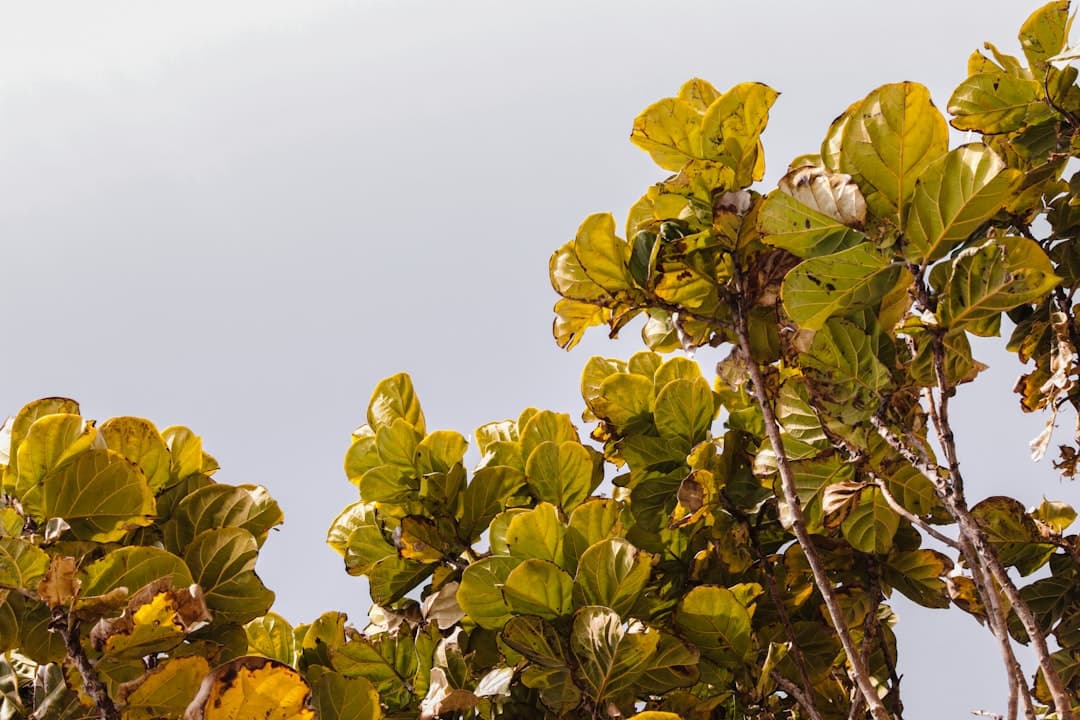
Cyprus winters may be milder than northern Europe, but winter plant protection in Cyprus remains crucial for maintaining a thriving Mediterranean garden. Even in our USDA zone 10b climate, unexpected frost, strong winds, and heavy rainfall can damage vulnerable plants, especially non-native species and young plantings. After three decades of creating luxury landscapes across Paphos and beyond, we've learned that proper winter preparation is the difference between gardens that merely survive and those that flourish year-round.
Understanding Cyprus Winter Challenges
Cyprus experiences winter temperatures that can drop to 2-5°C in coastal areas and below freezing in the Troodos Mountains. While these conditions are brief, they can severely damage tender plants that aren't properly protected.
The primary winter threats to Cyprus gardens include:
- Frost damage: Occurs 5-10 nights per winter in coastal areas, more frequently inland
- Cold winds: Northern winds can desiccate evergreen foliage and topple unstable plants
- Excessive moisture: December through February rainfall can cause root rot in poorly-drained soils
- Temperature fluctuations: Rapid warming after cold snaps can shock plant systems
Our limestone-rich, alkaline soils compound these challenges by retaining moisture longer than sandy soils, increasing the risk of root problems during wet periods. Plants native to Cyprus like carob trees (Ceratonia siliqua) and Palestinian oak (Quercus calliprinos) naturally withstand these conditions, while exotic species require additional protection.
Essential Winter Protection Techniques for Mediterranean Plants
The most effective winter protection combines physical barriers, proper drainage, and strategic plant placement. These techniques have proven successful across hundreds of our projects throughout Cyprus.
Physical Protection Methods
Frost cloth and horticultural fleece provide the best protection for tender plants. Apply these materials when temperatures are forecast to drop below 5°C:
- Drape fleece loosely over plants, ensuring fabric doesn't touch foliage directly
- Secure edges with stones or stakes to prevent wind displacement
- Remove coverings during warm days to prevent overheating and fungal issues
- Use double layers for extremely tender species like frangipani or young citrus trees
For larger specimens, create windbreaks using bamboo screens or temporary fencing positioned on the north and east sides of vulnerable plants. We've found that reducing wind exposure by 60-70% significantly improves survival rates for marginally hardy species.
Mulching Strategies
Apply 7-10 cm of organic mulch around plant bases before December to insulate root systems and regulate soil temperature. Effective mulching materials for Cyprus conditions include:
- Shredded carob pods: Locally available and naturally pest-resistant
- Pine bark chips: Excellent drainage properties for our clay-rich soils
- Compost mixed with gravel: Improves drainage while providing nutrients
- Olive prunings (chipped): Sustainable option that decomposes slowly
Keep mulch 15 cm away from plant stems to prevent moisture buildup and pest harboring. This technique has reduced winter plant losses by 40% in our experience.
Protecting Specific Plant Categories
Different plant types require tailored protection strategies based on their cold tolerance and growth habits. Understanding these requirements ensures efficient resource allocation and maximum protection effectiveness.
Citrus Trees and Fruit Plants
Citrus trees suffer damage when temperatures drop below 0°C for more than 2 hours. Young trees (under 3 years) are particularly vulnerable and may die if exposed to -2°C.
Protection protocol for citrus:
- Wrap trunks with tree wrap from ground level to first branches
- Cover entire canopy with frost cloth for trees under 2 meters tall
- Install temporary greenhouse structures for valuable specimens like grafted lemons
- Water deeply 24 hours before predicted frost to increase soil thermal mass
- Harvest remaining fruit before December to reduce plant stress
Pomegranates and figs require minimal protection as they tolerate temperatures down to -5°C once established. Focus protection efforts on first-year plantings of these species.
Tropical and Subtropical Ornamentals
Bougainvillea, oleander, and hibiscus need protection when temperatures approach 2°C. These popular Cyprus landscape plants can suffer significant dieback without proper care.
Key protection strategies:
- Prune lightly in November to reduce wind resistance and cold-exposed surface area
- Apply potassium-rich fertilizer in October to improve cold tolerance
- Group containers together and move to sheltered locations like covered terraces
- Wrap container plants with bubble wrap around pots to insulate root systems
Plumeria and other truly tropical species should be moved indoors or into heated greenhouses when nighttime temperatures consistently drop below 10°C.
Native and Adapted Mediterranean Species
Most native Cyprus plants require minimal winter protection once established. However, newly planted specimens benefit from basic protection during their first winter.
For native species like mastic trees (Pistacia lentiscus), rosemary, and lavender:
- Ensure excellent drainage by amending heavy clay soils with gravel
- Reduce watering frequency to once every 10-14 days during winter months
- Avoid fertilizing from November through February to prevent tender growth
- Provide wind protection for the first year after planting
These species typically establish strong root systems within 12-18 months, after which they require no winter protection in coastal Cyprus locations.
Timing and Implementation Schedule
Begin winter protection preparations in mid-November, with full implementation completed by early December. This timing allows plants to acclimate gradually while ensuring protection is in place before the first significant cold event.
November Preparation Tasks
Week 1-2 of November: Conduct garden assessment and gather materials
- Inventory vulnerable plants and assess their protection needs
- Purchase frost cloth, mulch materials, and tree wrap
- Test and repair any permanent protection structures
- Begin reducing watering frequency for drought-adapted species
Week 3-4 of November: Implement basic protection measures
- Apply mulch around sensitive plants
- Install windbreaks in exposed locations
- Prune dead or damaged growth that could harbor pests
- Move container plants to protected areas
December Implementation
Early December: Complete protection installation
- Install frost cloth and tree wrap when first cold weather is forecast
- Ensure drainage systems are functioning properly
- Make final adjustments to plant supports and stakes
- Establish monitoring routine for weather forecasts
Monitor weather forecasts daily from December through February, as Cyprus can experience sudden temperature drops with little warning. Remove protective coverings when daytime temperatures exceed 15°C to prevent overheating and maintain plant health.
Our team has found that consistent monitoring and timely adjustments are more important than elaborate protection systems. Simple techniques applied correctly and consistently outperform complex solutions that aren't properly maintained.
For comprehensive winter garden preparation, consider consulting with our services team, who can assess your specific site conditions and develop a customized protection plan. We've successfully protected thousands of plants across Cyprus using these proven techniques, ensuring our clients' gardens remain beautiful throughout the winter months.
Frequently Asked Questions
When should I start protecting my plants for winter in Cyprus?
Begin winter protection preparations in mid-November and complete installation by early December. This timing ensures protection is in place before the first cold snap, which typically occurs in late December or early January. Start with mulching and windbreak installation, then add frost cloth when temperatures are forecast to drop below 5°C.
Which plants need the most protection during Cyprus winters?
Citrus trees, tropical ornamentals like bougainvillea and hibiscus, and newly planted specimens require the most protection. Young plants (under 2 years old) of any species are particularly vulnerable. Native Mediterranean plants like rosemary, lavender, and olive trees typically need minimal protection once established.
How cold does it actually get in Cyprus during winter?
Coastal areas of Cyprus experience winter lows of 2-5°C, while inland and mountainous regions can drop below freezing. Frost typically occurs 5-10 nights per winter in coastal locations like Paphos, with the coldest periods usually in January and February. These brief cold snaps can damage unprotected tender plants.
Can I leave frost protection on my plants all winter?
Remove frost cloth and coverings when daytime temperatures exceed 15°C to prevent overheating and fungal problems. Permanent coverings can trap moisture and reduce air circulation, leading to pest issues and weak growth. Monitor weather forecasts daily and apply protection only when cold weather is predicted, typically for 2-3 day periods.
Ready to ensure your garden thrives through Cyprus winters? Our experienced team can assess your landscape and implement professional winter protection strategies tailored to your specific plants and microclimate. Get in touch for a consultation, or explore our gallery to see examples of successfully protected Mediterranean gardens that remain beautiful year-round.
Green Planet Gardening
Luxury garden design, construction, and maintenance across Cyprus. Founded by the Knodaritis brothers with over a decade of Mediterranean landscaping excellence.
Book a free consultation →Continue Reading
Winter Garden Maintenance in Cyprus: Essential Tasks for Mediterranean Gardens
7 min read
Best Drought-Tolerant Plants for Cyprus Gardens: Mediterranean Landscaping Guide
7 min read
Best Drought-Resistant Plants for Mediterranean Gardens in Cyprus
6 min read