Most outdoor solar lighting is bought in June or July, when a panel on a Paphos terrace takes in a long, hard day of sun and the bulb above the dining table runs well past midnight without complaint. The more useful question is what that same bulb does on a damp evening in January, when the sun sets early, stays low in the southern sky and spends part of the week behind cloud. If a scheme is going to work for twelve months rather than four, winter is the condition you design for.
What changes between July and January
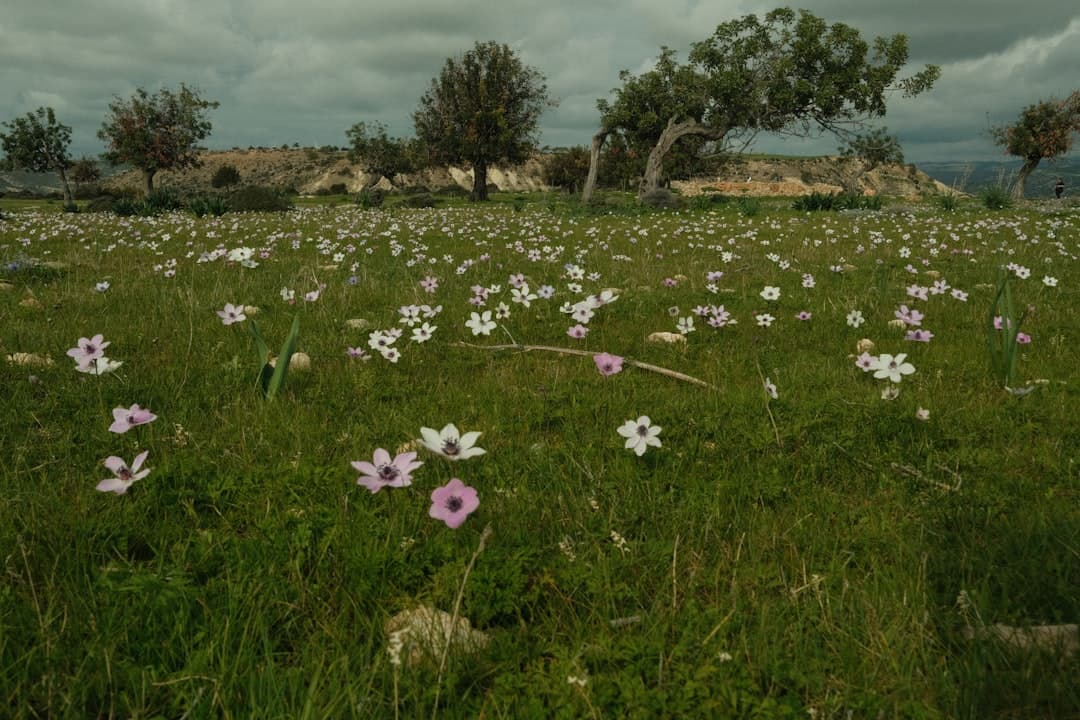
Two things work against a solar bulb in a Cypriot winter, and neither of them is a fault in the product. The first is day length. Sunrise and sunset tables for Paphos, which anyone can check on timeanddate.com, show a little under ten hours of daylight around 21 December. The second is the angle and strength of the sun. The European Commission's PVGIS tool lets you enter your own coordinates and compare monthly solar irradiation for a fixed panel, and the December figure for a Cyprus location sits far below the June one. On top of that, winter in Cyprus is the wet part of the year, as the Department of Meteorology's climate information for the island makes clear, so cloud and rain remove part of the charge you were counting on.
The practical effect is simple. A bulb that gave you eight hours of light in August may give you a fraction of that in late December, and it will give you that light at exactly the hour you want to sit outside, which is early.
Size the panel for the shortest day, not the longest
The panel does more for winter performance than the bulb does. Where a product offers a separate panel on a cable, you gain two advantages at once: you can put the panel where the winter sun reaches and the bulb where the light is wanted, and you can choose a larger panel than the lid-mounted type allows. Integrated panels above the bulb look neater, but they are often shaded in winter by the very pergola, wall or olive canopy that makes the spot pleasant in summer.
Walk the garden in the afternoon in December rather than in May. The shadow line from a boundary wall, a tall cypress or a neighbouring villa moves a long way between seasons, and a panel that is clear in spring can sit in shade for most of a short winter day. South-facing with a steeper tilt suits the low winter sun better than a flat mounting, which in summer also collects less dust and rain film.
Read the runtime claim, then read the battery
A lumen figure on the box tells you how bright the bulb is at full output. It says little about how long that output lasts after a poor charging day. Look instead for the capacity of the cell, whether the cell can be replaced when it ages, and whether the fitting has a lower output or warm-white only mode. A bulb that steps down to a soft level after the first few hours is often more useful across a winter than one that runs hard and then stops.
Heat matters too. Cells in an outdoor fitting in Cyprus spend summer in conditions that shorten their working life, which then shows up as weak winter runtime a year or two later. Ask what chemistry is used, and treat replaceability as part of the specification rather than an afterthought.
Sealing, humidity and salt
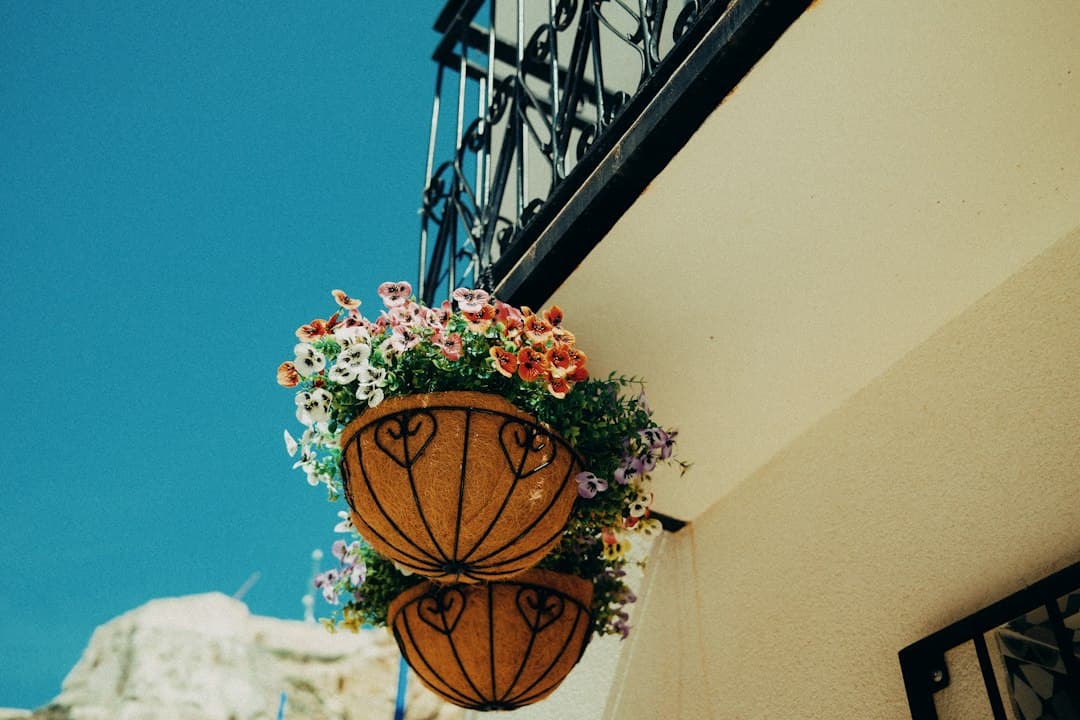
IP ratings come from a published standard, IEC 60529, and the two digits mean specific tested things: an IP65 enclosure resists water jets, an IP67 one resists temporary immersion. For hanging bulbs under a pergola, good sealing around the lens joint and the cable entry usually matters more than the headline number, because that is where failures start.
Local conditions decide how hard the fitting is worked. Our own service notes set out the pattern we see across the island: Limassol brings humidity and roof terraces, while Larnaca is the driest of the areas we cover, with irrigation restrictions in 2026 and slightly saline groundwater on plots near the salt lake. Humid coastal air and salt-laden spray both attack contacts and fixings, so stainless or properly coated hardware earns its place.
Light that suits a Mediterranean garden
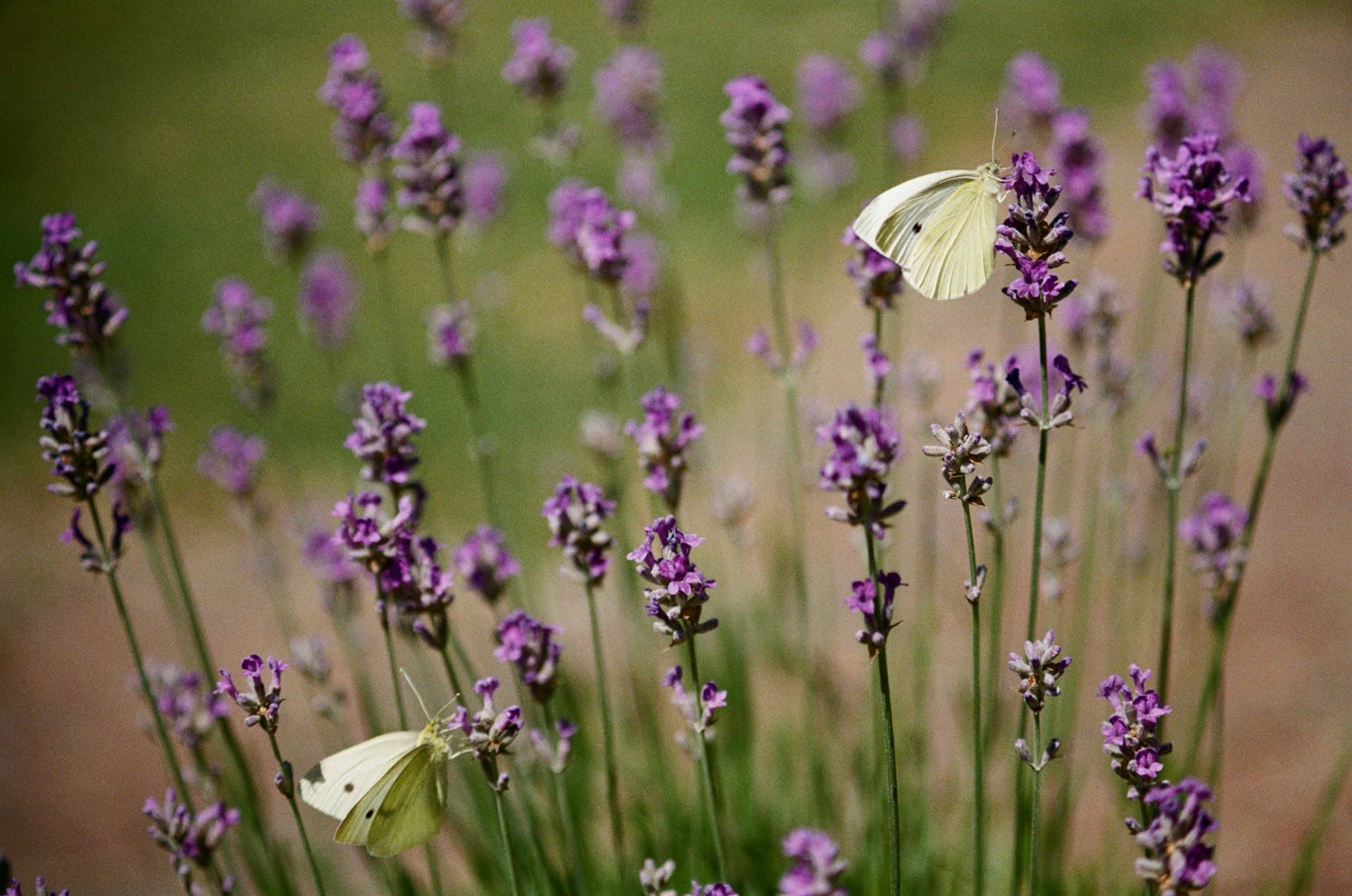
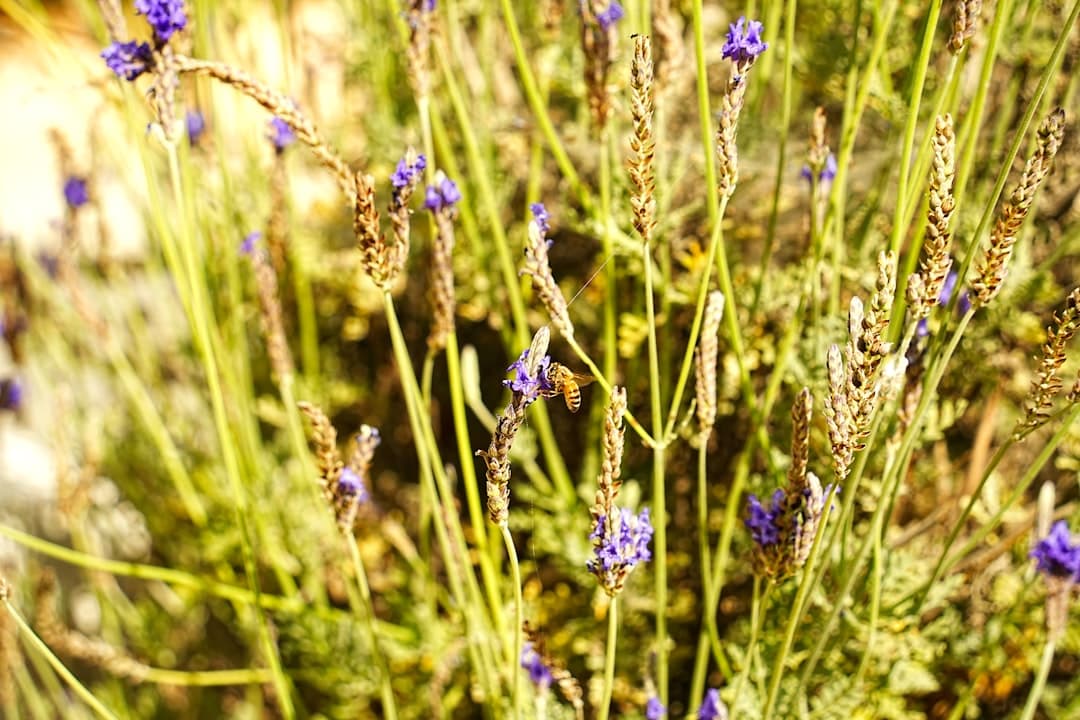
Warm-white output in the region of 2200 to 2700 kelvin flatters stone, render and bark, and it sits comfortably with the planting we tend to work with in Cyprus gardens, including bougainvillea, oleander, olive, lavender and jasmine. Cooler white light makes a terrace look like a car park. Keep the bulbs above eye level or behind a diffuser, use fewer of them than you think you need, and let dark areas stay dark. That restraint is most of what people mean when a garden looks effortless at night.
If you are unsure what is growing beside a lit path, the Plant AI 2.0 tool on our site identifies a plant from a photo and returns care notes written for the Cyprus climate. Treat the result as guidance to check rather than a verdict.
Where solar stops being the right answer
Solar bulbs are well suited to pergolas, pots, boundary planting and places where a trench would mean lifting finished paving. Where you need dependable light at a fixed hour through December, on steps, at an entrance or along a drive, a wired circuit remains the more predictable choice, and the two can be combined in one scheme. A mixed approach is usually what we specify on villa work, where a terrace or small garden project typically runs one to two weeks and a larger villa build with hardscaping, irrigation and mature planting usually runs three to six weeks.
Looking after a winter scheme
Wipe the panels after the first rains and again after any dust event, because a thin film costs you charge exactly when there is least of it to lose. Cut back growth that has crept across a panel during autumn. Check cable entries and lens seals once a season. If a bulb has faded over two summers, the cell is the usual suspect, not the LED.
Before you buy
Green Planet Gardening is the family business of the Knodaritis brothers, three brothers with more than a decade of garden work in Cyprus and a boutique approach that keeps the number of concurrent projects deliberately small. We are based in Paphos and work across the island, including Limassol, Larnaca, Nicosia and the surrounding areas, with our own maintenance service in Limassol and Larnaca. If you would like a view on what a lighting scheme should do in your particular garden in December, call +357 99 245 332 for a free consultation with no obligation and a response within 24 hours, and we will look at the site before anything is specified.
Green Planet Gardening
Luxury garden design, construction, and maintenance across Cyprus. Founded by the Knodaritis brothers with over a decade of Mediterranean landscaping excellence.
Book a free consultation →