
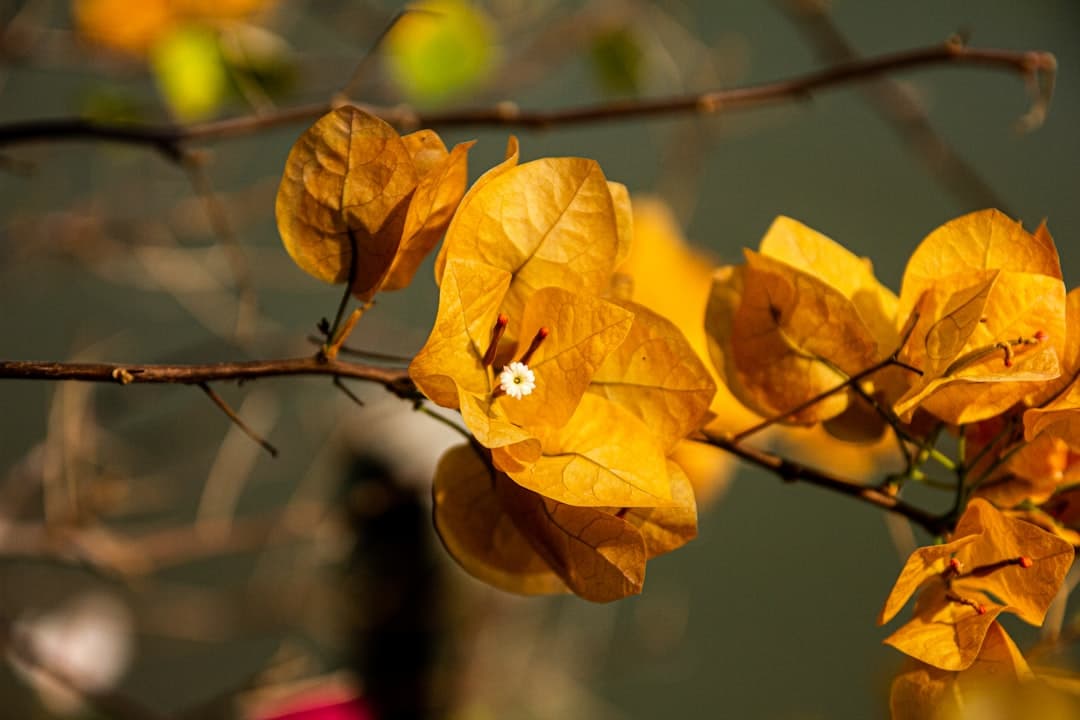
Why Are My Bougainvillea Leaves Turning Yellow?
Few sights disappoint a Cyprus gardener more than a bougainvillea that should be dripping with magenta, coral, or white bracts instead standing bare-branched with pale, yellowing leaves scattered across the terrace. If you've searched for answers, you're not alone — bougainvillea leaves turning yellow is one of the most common complaints we hear at Green Planet Gardening, especially during the shoulder seasons when temperatures and watering habits shift dramatically.
Quick Answer: Bougainvillea leaves most commonly turn yellow due to overwatering and poor drainage, which suffocates the roots and prevents nutrient uptake. Other frequent causes include nitrogen or iron deficiency (especially in Cyprus's alkaline soils), sudden temperature drops in autumn, transplant shock, and natural seasonal leaf drop before winter dormancy. The fix almost always starts with checking soil moisture and drainage before reaching for fertiliser.
The good news? Bougainvillea is one of the toughest, most forgiving shrubs you can grow in a Mediterranean climate — it wants to thrive here. Once you understand what's stressing it, recovery is usually fast.
Why Is My Bougainvillea Dropping Leaves and Turning Yellow?
Bougainvillea evolved in the semi-arid regions of South America, which means it's genetically wired for long dry spells, intense sun, and lean, fast-draining soil. Cyprus gardens — with our hot, rainless summers and mild, occasionally wet winters — actually mimic its native habitat closely. When leaves turn yellow, it's almost always a signal that something in the plant's care routine has drifted away from these native conditions.
The Most Common Culprit: Overwatering
Bougainvillea yellow leaves from overwatering is, without question, the number one issue we diagnose in Cypriot gardens. Unlike many ornamentals, bougainvillea actually flowers more prolifically under mild drought stress. Constantly moist soil — particularly heavy clay or compacted garden soil that doesn't drain — leads to root rot, oxygen starvation, and a plant that can no longer transport nutrients up through its vascular system. The result: uniform yellowing across older leaves first, followed by leaf drop and mushy, dark roots if you dig down to check.
⚠️Important
If your bougainvillea's soil feels damp to the touch more than 2-3 cm below the surface, or if you're watering more than twice a week outside of the peak July-August heat, you're likely overwatering. Bougainvillea prefers a proper dry-down between waterings.
Nutrient Deficiency in Cyprus's Alkaline Soils
Cyprus soils are predominantly alkaline, often sitting at pH 7.5–8.3 due to our limestone-rich bedrock. This chemistry locks up certain micronutrients — particularly iron and manganese — making them unavailable to plant roots even when present in the soil. This causes interveinal chlorosis: yellow leaf tissue with the veins remaining distinctly green, most visible on newer growth at branch tips.
Nitrogen deficiency looks different — it causes uniform, all-over yellowing that starts with the oldest, lowest leaves first, since the plant cannibalises nitrogen from older foliage to feed new growth.
Seasonal Shifts: Bougainvillea Care Cyprus Autumn
Come October and November, it's entirely normal for bougainvillea to shed some yellowing leaves as day length shortens and night temperatures drop below 15°C. This is a natural, protective response as the plant slows its metabolism ahead of a semi-dormant winter period. Bougainvillea care in Cyprus autumn should shift toward reduced watering and zero nitrogen feeding — pushing new growth right before cooler weather sets in leaves that growth vulnerable to cold damage.
💡Pro Tip
Don't panic if you see moderate yellowing and leaf drop in late autumn. As long as the stems remain flexible and green under the bark, this is a seasonal pause, not a crisis.
How Do I Know If It's Overwatering or Underwatering?
This is the question we get asked more than any other, because the visual symptoms can look deceptively similar at first glance.
Overwatering Symptoms
- Yellowing starts with older, lower leaves and spreads upward
- Leaves feel soft, slightly swollen, or limp rather than crispy
- Soil stays wet or waterlogged for days after irrigation
- You may notice a sour, musty smell near the root zone
- New growth is sparse or absent
- Roots, if inspected, appear brown or black and mushy rather than white and firm
Underwatering Symptoms
- Leaves turn yellow, then quickly brown and crisp at the edges
- Leaf drop is rapid and often accompanied by wilting before yellowing
- Soil is bone-dry and pulls away from the pot or bed edges
- The plant may look "thirsty" overall, with drooping stem tips
- Flowering bracts (the colourful papery parts) shrivel and fall first
The Soil Test That Settles It
Push a finger — or better, a wooden skewer — 5 cm into the soil near the root zone. If it comes out with moist soil clinging to it, or feels cool and damp, overwatering is your likely cause. If it comes out completely clean and dry, underwatering or heat stress is more probable. For container-grown bougainvillea, lift the pot: an overwatered pot feels notably heavier than a properly dried-out one.
If heat stress is compounding the issue — common during Cyprus's peak July-August period when temperatures regularly exceed 38°C — our guide on how to revive heat-stressed plants in Cyprus summer walks through emergency recovery steps for wilting, scorched, or heat-shocked shrubs.
Bougainvillea rarely lies to you — every yellow leaf is a message. Nine times out of ten in Cyprus gardens, that message is "my roots are too wet," not "I need more water." Learning to read that difference is the single most valuable skill for keeping this plant spectacular year-round.
What's the Right Watering and Feeding Routine to Prevent Yellowing?
Prevention is far easier than cure with bougainvillea, and it hinges on replicating its native dry-soil, high-sun preferences as closely as possible.
Establishing a Cyprus-Appropriate Watering Schedule
Bougainvillea planted in the ground needs deep but infrequent watering — think once every 7-10 days in high summer, tapering to every 2-3 weeks in spring and autumn, and minimal to no supplemental water in a typical Cyprus winter once established. Container specimens dry out faster and may need water every 3-5 days during July and August, but always allow the top 3-4 cm of soil to dry between sessions.
Timing matters enormously in our climate. Watering during the intense midday sun wastes water to evaporation and can shock roots with temperature swings. For a full month-by-month breakdown tailored to our climate, see our definitive Cyprus summer watering schedule, which covers early morning versus evening watering and how to adjust for heatwaves.
🌿Eco Tip
Group bougainvillea with other drought-tolerant Mediterranean natives like rosemary, lavender, and oleander. This "hydrozoning" approach means you're never tempted to overwater bougainvillea just because its thirstier neighbours need a drink.
Correcting Nutrient Deficiencies
For nitrogen deficiency (uniform yellowing of old leaves), apply a balanced, slow-release fertiliser with an NPK ratio around 10-10-10 during the active growing season (March through September), avoiding heavy nitrogen in autumn.
For iron chlorosis (yellow leaves with green veins), the fix isn't more fertiliser — it's chelated iron. A foliar spray or soil drench of iron chelate (EDDHA-based products work best in alkaline soils) corrects this within 2-3 weeks. Adding organic compost annually also helps buffer soil pH slightly and improves micronutrient availability over time.
Container-Specific Considerations
Potted bougainvillea faces unique stress: smaller soil volume dries faster but can also stay waterlogged longer if drainage holes are inadequate or the pot sits in a saucer of standing water. Always ensure pots have multiple drainage holes and never let them sit in collected runoff. For a comprehensive strategy on keeping any container plant thriving through our brutal summers, our guide on keeping container plants alive in Cyprus summer heat is essential reading.
Bougainvillea
Bougainvillea spectabilis / glabra
The quintessential Mediterranean climber. Thrives in Cyprus's hot, dry summers and needs excellent drainage above all else. Flowers most prolifically when slightly root-bound and mildly water-stressed. Hardy to around 5°C; protect from frost in inland or higher-altitude gardens.
Which Other Factors Cause Bougainvillea Leaves to Yellow?
Beyond water and nutrients, several other stressors commonly trigger yellowing in Cypriot gardens.
Transplant Shock and Root Disturbance
Bougainvillea has notoriously sensitive, fragile roots that despise disturbance. If you've recently repotted or transplanted your bougainvillea, expect some yellowing and leaf drop for 2-4 weeks as it recovers. Minimise root disturbance during transplanting by handling the root ball as little as possible, and avoid fertilising for at least three weeks post-transplant to let roots settle first.
Pest Infestations
Spider mites, aphids, and scale insects can all cause localised yellowing, often accompanied by fine webbing, sticky honeydew residue, or visible insects on stems and leaf undersides. Inspect closely before assuming a cultural cause — a strong hose spray or insecticidal soap treatment typically resolves mild infestations within a week or two.
Cold Snaps and Sudden Temperature Drops
While Cyprus enjoys mild winters, sudden cold fronts — particularly in higher-altitude areas like Troodos foothills or inland Nicosia — can drop temperatures below 7-10°C overnight. Bougainvillea responds with rapid yellowing and leaf drop as a self-protective measure. This is temporary and the plant typically rebounds fully once temperatures stabilise in spring.
⚠️Important
If you're gardening at altitude or in a known frost pocket, consider moving container bougainvillea to a sheltered position or against a south-facing wall from late November through February.
Cyprus Growing Conditions at a Glance
300+
Sunny Days/Year
35°C+
Summer Peaks
500mm
Annual Rainfall
pH
7.5-8.3 Typical Soil Alkalinity
These numbers explain why bougainvillea, native to sun-drenched, low-rainfall regions of Brazil, Peru, and Argentina, finds such a natural home in Cyprus — and why deviations from lean, well-drained, sun-soaked conditions are almost always at the root of yellowing foliage.
Lantana
Lantana camara
A brilliant companion plant for bougainvillea beds — equally drought-tolerant and heat-loving, with continuous color from spring through autumn in Cyprus gardens.
Oleander
Nerium oleander
Shares bougainvillea's love of alkaline soil and dry summers, making it an excellent hedge or backdrop planting across Cyprus coastal and inland gardens alike.
Frequently Asked Questions
Why are my bougainvillea leaves turning yellow?
Bougainvillea leaves most often turn yellow due to overwatering and poor drainage, which damages roots and blocks nutrient uptake. Other common causes include nitrogen or iron deficiency in alkaline Cyprus soils, transplant shock, pest activity, and natural seasonal leaf drop during cooler autumn and winter months. Checking soil moisture is always the first diagnostic step.
Should I cut off yellow leaves on my bougainvillea?
Yes — removing yellow, already-damaged leaves redirects the plant's energy toward healthy foliage and new growth. Use clean, sharp secateurs and avoid cutting into green, healthy tissue. This won't solve the underlying cause, so continue investigating watering, drainage, and nutrition alongside pruning.
How often should I water bougainvillea in Cyprus?
Established in-ground bougainvillea typically needs deep watering every 7-10 days during peak summer (June-August), tapering to every 2-3 weeks in spring and autumn, with minimal watering in winter. Container plants dry faster and may need water every 3-5 days in summer heat, always allowing the topsoil to dry between waterings.
Will yellow bougainvillea leaves turn green again?
No — once a leaf has yellowed significantly, it will not revert to green and will eventually drop. However, correcting the underlying cause (watering, nutrition, or seasonal stress) allows the plant to push vigorous new green growth within 3-4 weeks, quickly restoring its full, healthy appearance.
If your bougainvillea is still struggling despite adjusting water and nutrients, or if you'd simply like an expert eye on your Cyprus garden's overall health, book a free consultation with Green Planet Gardening. Our horticulturists specialise in diagnosing exactly what your Mediterranean garden needs — season by season, plant by plant.
Green Planet Gardening
Luxury garden design, construction, and maintenance across Cyprus. Founded by the Knodaritis brothers with over a decade of Mediterranean landscaping excellence.
Book a free consultation →Continue Reading
 Plant Care
Spider Mites on Roses: Spot and Stop
7 min read
 Garden DesignPlant Care
White Coating on Rose Leaves: What To Do
7 min read