
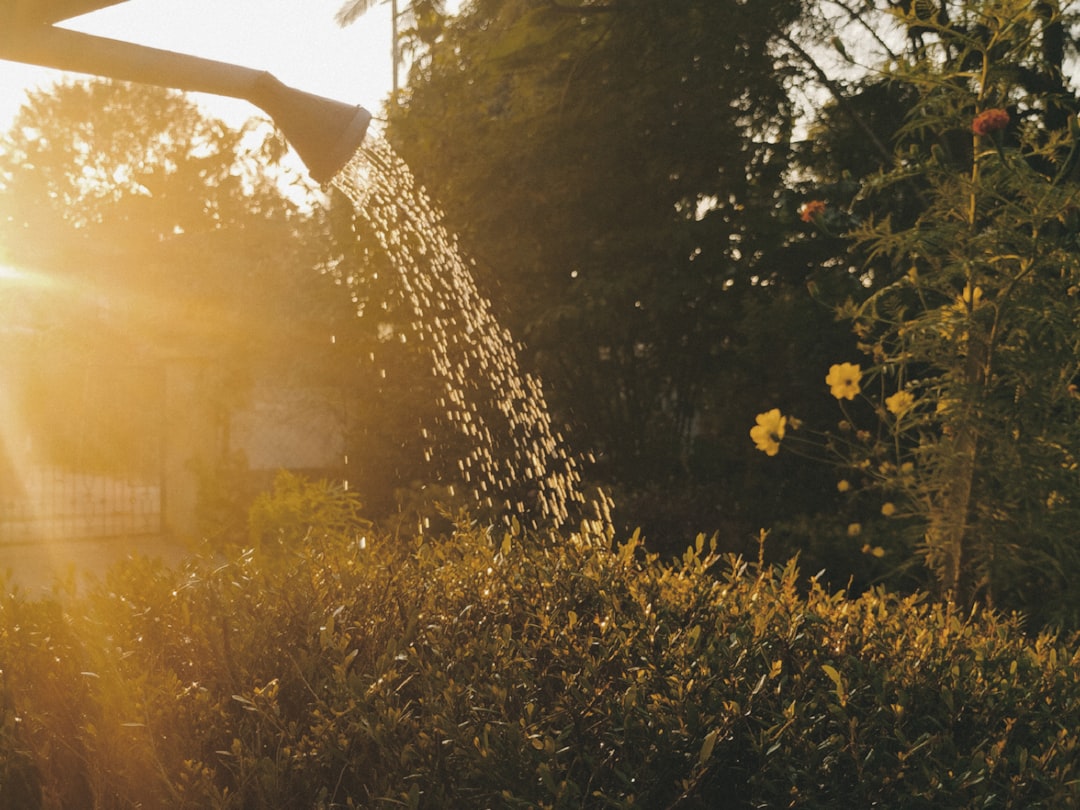
Best Time to Water Plants in Cyprus Summer: The Definitive Watering Schedule
By 10am on a July morning in Nicosia, the soil surface can already exceed 40°C — hot enough to flash-evaporate water before it ever reaches a plant's roots. Get the timing wrong and you're not just wasting water; you're actively starving your garden while your utility bill climbs. The best time to water plants in Cyprus summer is between 5:00am and 7:00am, when air temperatures sit below 25°C, wind is minimal, and plants have maximum hours of cool soil ahead of them to absorb moisture before the afternoon heat arrives.
Quick Answer: In Cyprus during summer (June–September), water your garden in the early morning between 5am and 7am. This allows moisture to penetrate deep into the root zone before evaporation losses spike after 9am, and gives foliage time to dry off before evening — reducing fungal disease risk. Evening watering (after 7pm) is an acceptable second choice, but never water in the midday heat between 11am and 5pm.
What Time of Day Is Best for Watering Plants in Cyprus During Summer?
Why Early Morning Wins Every Time
Cyprus summers push daytime temperatures past 35°C for weeks at a stretch, with soil surface temperatures often 10-15°C higher still. Water applied under direct midday sun loses up to 60% of its volume to evaporation before it ever reaches root depth, according to horticultural irrigation studies across Mediterranean climates. Morning watering, by contrast, lets water percolate down through cooler soil while humidity is naturally higher (often 55-65% at dawn versus 20-30% by early afternoon), meaning less is lost to the air and more reaches the roots where it matters.
There's a second, quieter benefit: foliage watered at dawn has 10-12 hours of daylight and warmth to dry completely. Wet leaves overnight are a breeding ground for powdery mildew, botrytis, and root-rot pathogens — a serious risk in humid coastal microclimates like Limassol and Paphos.
Morning vs Evening Watering Cyprus: The Real Comparison
Evening watering (roughly 7pm to 9pm, once the sun has dropped) is a legitimate second-best option, particularly for gardeners who simply cannot manage a pre-dawn schedule. It shares the low-evaporation benefit of morning watering since temperatures are falling rather than rising.
However, evening watering carries one significant drawback: foliage and soil surfaces stay damp all night. In Cyprus's warm, often still summer nights, this dampness creates ideal conditions for fungal spores to germinate — particularly on roses, tomatoes, courgettes, and other susceptible ornamentals and vegetables.
The verdict: if you can only choose one, morning wins for plant health. If your schedule forces evening watering, favour drip irrigation or soaker hoses that deliver water to the soil directly, keeping leaves dry regardless of the hour.
💡Pro Tip
How Often Should You Water Your Garden in Cyprus Summer?
Establishing a Baseline Schedule by Plant Type
There is no single "right" frequency — it depends entirely on plant maturity, soil type, and container versus ground planting. As a general framework for the peak heat of July and August:
- Established trees and shrubs (in-ground, 2+ years old): deep water 2x per week
- Perennials and Mediterranean natives (lavender, rosemary, santolina): 1x per week once established, less if rain falls
- Vegetable beds and annual flowers: every 2-3 days, shallow-rooted crops may need daily attention in extreme heat
- Container plants and pots: daily, sometimes twice daily during heatwaves above 38°C, since pots heat up and dry out far faster than garden beds
Newly planted specimens, regardless of type, need daily watering for the first 2-3 weeks after planting to establish root systems, tapering gradually as roots extend into surrounding soil.
The Deep-Soak Principle
A common mistake in Cyprus gardens is frequent, shallow watering — a quick five-minute sprinkle that wets only the top 2-3cm of soil. This trains roots to stay near the surface, where they're most vulnerable to heat stress. Instead, water deeply and less often: aim to moisten the top 20-30cm of soil for trees and shrubs, encouraging roots to grow downward toward cooler, more stable moisture reserves.
A simple test: push a screwdriver or trowel into the soil an hour after watering. If it meets resistance within the top 15cm, you haven't watered deeply enough.
💡Pro Tip
Signs of Overwatering vs Underwatering: How to Read Your Plants
Underwatering Symptoms
- Leaves wilting, curling inward, or drooping — often most visible in late afternoon
- Soil pulling away from the edges of pots or beds
- Crispy, browning leaf tips and margins
- Premature leaf and flower drop
- Stunted new growth despite feeding
Overwatering Symptoms
Overwatering is surprisingly common in Cyprus, often from well-meaning gardeners compensating for heat. Watch for:
- Yellowing leaves that feel soft or mushy rather than crisp
- A persistent musty or sour smell from the soil
- Fungal growth or algae on the soil surface
- Root rot — plants wilting despite consistently wet soil (a classic confusion, since it mimics underwatering)
- Soft, blackened stem bases
The critical diagnostic: check soil moisture 5-8cm down before assuming a wilting plant needs more water. If it's already damp, the wilting is more likely root rot from oxygen-starved roots than drought stress. This single check prevents the majority of watering mistakes in Cyprus gardens.
⚠️Important
For gardeners managing pots and containers — which dry out and flood far more easily than ground soil — our guide on how to keep container plants alive in Cyprus summer heat covers moisture-monitoring techniques in much greater depth.
Building a Definitive Weekly Watering Schedule
Sample Schedule for a Mixed Mediterranean Garden
| Day | Task |
|---|---|
| Monday | Deep water trees/shrubs (5:30am) |
| Tuesday | Water containers + vegetable beds |
| Wednesday | Water containers only |
| Thursday | Deep water perennials/natives (5:30am) |
| Friday | Water containers + vegetable beds |
| Saturday | Water containers only |
| Sunday | Rest day (check soil moisture, adjust as needed) |
Adjust this framework upward during heatwaves exceeding 38°C, and scale back after summer thunderstorms, which do occur occasionally in August and can deliver a genuinely useful soak.
Automating Consistency
Manual watering schedules are easy to abandon during a busy week — precisely when consistency matters most. Drip irrigation systems with programmable timers remove the guesswork entirely, delivering precise volumes at the optimal early-morning hour without requiring you to be present. For villa gardens with extensive planting, a well-designed system pays for itself many times over in water savings and plant survival rates. Our detailed breakdown of expert irrigation systems for luxury villa gardens walks through the components and design principles for Cyprus properties specifically.
In fifteen years of designing gardens across Cyprus, I've seen far more plants killed by kindness — overwatering out of anxiety — than by drought. The soil doesn't lie. Check it before you water, every single time.
Water Conservation Tips for Cyprus Gardens
Mulching: Your First Line of Defence
A 5-7cm layer of organic mulch (bark chips, straw, or composted material) around plant bases can reduce surface evaporation by up to 70%, while also suppressing weeds that compete for available moisture. Apply mulch in late spring before the peak heat arrives, keeping it a few centimetres clear of stems to prevent rot.
🌿Eco Tip
Choosing Plants That Ask for Less
The single most effective long-term water conservation strategy is planting selection. Mediterranean natives and drought-adapted species thrive on a fraction of the water that thirsty imported ornamentals demand, once established.
Lavender
Lavandula angustifolia
Thrives in Cyprus's dry heat once established, needing only occasional deep watering. Excellent drainage is essential — avoid heavy clay soils or amend generously with grit.
Rosemary
Rosmarinus officinalis
A Cyprus garden staple that tolerates extended dry spells and poor soil. Water deeply every 10-14 days in summer once roots are established; overwatering is a far greater risk than drought.
Bougainvillea
Bougainvillea glabra
Flowers most prolifically when slightly water-stressed. Established plants need watering only every 7-10 days in summer — too much water encourages leaf growth at the expense of blooms.
For gardeners looking to overhaul their entire planting scheme around water efficiency, our comprehensive guide to xeriscaping and low-water garden design explains how to build a garden that thrives on Cyprus rainfall patterns rather than fighting them.
Capturing Water Before You Need It
Cyprus receives the vast majority of its annual rainfall between November and March — meaning summer irrigation almost always draws on stored or mains supply. Installing a rainwater harvesting system captures winter rainfall for release during the dry months, significantly reducing dependence on the mains network during peak summer demand, when prices and restrictions are often at their highest. Our complete guide to rainwater harvesting for Cyprus villas covers tank sizing, filtration, and integration with existing irrigation systems.
300+
Sunny Days/Year
35°C+
Summer Peaks
500mm
Annual Rainfall
These numbers explain why Cyprus gardens demand a fundamentally different watering philosophy than northern European gardens: with rainfall concentrated in a handful of winter months and over 300 days of strong sun, every drop applied in summer must be timed and targeted for maximum effect.
Common Watering Mistakes to Avoid This Summer
Watering the Leaves Instead of the Soil
Overhead watering that wets foliage rather than the root zone wastes water to evaporation and increases fungal disease risk. Direct water at the base of plants, or use drip lines and soaker hoses that deliver moisture precisely where roots can access it.
Ignoring Wind and Heatwave Adjustments
Strong, dry winds — common in coastal and elevated regions of Cyprus — dramatically increase evaporation rates even in the early morning. During Poyraz or hot southerly wind events, increase watering frequency temporarily and consider windbreak planting for exposed gardens.
Treating Every Plant the Same
A newly potted geranium and a five-year-old olive tree have entirely different water needs. Applying a single blanket schedule across a diverse garden inevitably overwaters some plants while starving others. Hydrozoning — grouping plants by water requirement — remains the single most effective fix for this common error.
Frequently Asked Questions
What time of day is best for watering plants in Cyprus during summer?
Between 5am and 7am is best. Cooler temperatures and higher humidity at dawn mean less water is lost to evaporation, and foliage has the full day to dry, reducing fungal disease risk. Evening watering (after 7pm) is an acceptable alternative if morning isn't practical.
Can I water my garden at midday during a heatwave?
Avoid it whenever possible. Watering between 11am and 5pm in Cyprus summer means a significant portion of applied water evaporates before reaching plant roots, and water droplets on leaves can occasionally cause leaf scorch under intense direct sun.
How do I know if I'm overwatering rather than underwatering?
Check soil moisture 5-8cm below the surface before assuming a wilting plant needs water. If the soil is already damp, yellowing leaves with a soft texture and a musty soil smell point to overwatering and potential root rot rather than drought stress.
How often should established Mediterranean plants be watered in summer?
Established natives like lavender, rosemary, and olive trees typically need deep watering only once every 7-14 days once their root systems are developed, since they're adapted to Cyprus's naturally dry summer conditions. Overwatering these species is far more common — and more damaging — than underwatering.
Getting your watering schedule right is one of the highest-impact changes you can make for your Cyprus garden's health this summer — and it's exactly the kind of detail our team lives and breathes. If you'd like a tailored watering plan, an irrigation system audit, or a full garden consultation, book a free consultation with Green Planet Gardening and let's make sure every drop counts this season.
Green Planet Gardening
Luxury garden design, construction, and maintenance across Cyprus. Founded by the Knodaritis brothers with over a decade of Mediterranean landscaping excellence.
Book a free consultation →Continue Reading
 Seasonal Care
 Seasonal Care
 Seasonal Care