
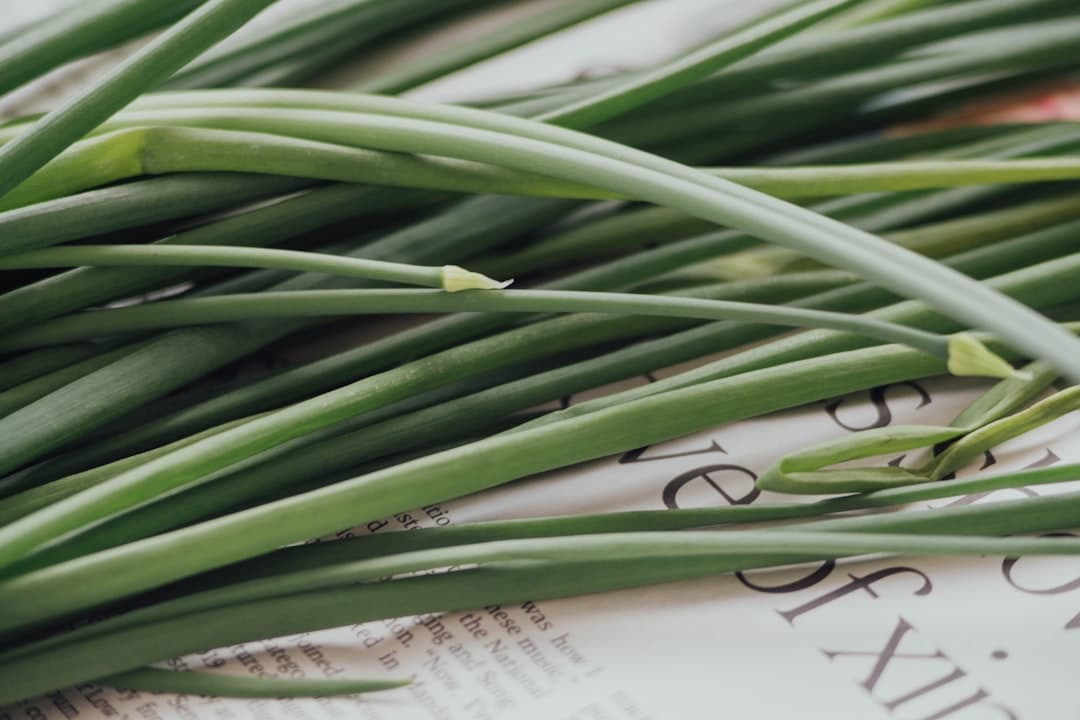
Step onto any Cyprus terrace on a warm July evening and you'll understand the problem immediately: the citrus blossom scent, the golden light fading over the Troodos foothills, the clink of ice in a glass — and then the unmistakable whine of a mosquito circling your ankle. The good news is that mosquito repelling plants Cyprus gardeners have relied on for generations can transform your outdoor space from a bug buffet into a fragrant, insect-resistant sanctuary — no chemical sprays required.
Quick Answer: The most effective mosquito-repelling plants for Cyprus gardens are citronella geranium (Pelargonium citrosum), lemongrass (Cymbopogon citratus), lavender (Lavandula angustifolia), and basil (Ocimum basilicum). These plants release natural aromatic compounds — citronellol, geraniol, and linalool — that mask the carbon dioxide and body scents mosquitoes use to locate humans. For best results, plant them in dense clusters near seating areas, patios, and entry points, where their oils are released through leaf contact and rising heat.
Cyprus's long, dry summers (often 150+ consecutive rain-free days) and mineral-rich, well-draining soils are actually ideal for growing the most potent mosquito-deterrent herbs, since stress and sun concentrate their essential oils. Let's dig into exactly what to plant, where, and how to build a genuinely bug-free outdoor living space.
What Plants Repel Mosquitoes Naturally in a Cyprus Garden?
Mosquitoes navigate primarily by scent — carbon dioxide, lactic acid, and body heat. Aromatic plants disrupt this navigation by releasing strong-smelling compounds (citronellol, geraniol, eugenol, linalool) that overwhelm their sensory receptors. This is not folklore; these compounds are the same active ingredients found in many commercial "natural" insect repellents.
The key to success in Cyprus is choosing species that are both effective repellents and climate-appropriate, since a plant that repels mosquitoes but dies in July heat is no help to anyone.
The Science Behind Scent-Based Repellents
Essential oils work by two mechanisms: masking human scent signals, and directly irritating mosquito olfactory receptors. Research from the American Mosquito Control Association confirms that citronella oil can reduce mosquito landings by up to 50% in enclosed test conditions — though open-air gardens require denser plantings and, ideally, crushed foliage or extracted oils for maximum effect.
💡Pro Tip
Simply having repellent plants in pots isn't enough — mosquitoes need to brush against or have the leaves crushed to release oils in meaningful quantities. Rub a few leaves between your fingers each evening near seating areas for an instant, natural repellent boost.
Why Cyprus's Climate Actually Helps
Cyprus enjoys over 300 days of sunshine annually, and this intensity is a genuine advantage for aromatic herb cultivation. Mediterranean-origin plants like lavender, rosemary, and citronella geranium produce higher concentrations of essential oils when grown in full sun with lean, well-draining soil — the exact opposite of the rich, moist conditions many gardeners mistakenly provide. Overwatering and over-fertilizing dilutes the very oils you're trying to maximize.
300+
Sunny Days/Year
35°C+
Summer Peaks
500mm
Annual Rainfall
50%
Reduction in Mosquito Landings with Citronella
The Top Mosquito-Repelling Plants for Cyprus Gardens
Not every "mosquito plant" sold in Cypriot garden centres performs equally. Below are the varieties with proven track records in local coastal and inland gardens.
Citronella Geranium (Pelargonium citrosum)
Often mislabelled simply as "mosquito plant," citronella-scented geranium is the single most popular repellent plant in Cyprus, and for good reason — its lemony, citronella-like fragrance is released the moment leaves are brushed, and it thrives in exactly the conditions Cyprus offers: full sun, excellent drainage, and minimal water once established.
Citronella Geranium
Pelargonium citrosum
Thrives in Cyprus's dry heat with minimal irrigation once established. Plant in terracotta pots near seating areas or along patio edges. Prune regularly to encourage bushy growth and stronger scent release. Hardy to light frost but best overwintered in a sheltered spot inland.
The citronella geranium Cyprus gardeners plant most successfully is typically grown in raised beds or large terracotta containers, which mimics its native South African habitat and prevents root rot during the rare winter downpours.
Lemongrass (Cymbopogon citratus)
Lemongrass contains natural citronella oil in its stalks and leaves, making it both a culinary herb and a genuine mosquito deterrent. It forms dramatic, architectural clumps up to 1.2 metres tall, making it an excellent living screen around patios and outdoor dining areas.
Lemongrass
Cymbopogon citratus
Best planted in spring after last frost risk passes (typically March-April in Cyprus). Needs consistent watering through the first summer to establish, then becomes fairly drought-tolerant. Cut stalks for tea or cooking while simultaneously boosting its repellent scent release.
Lavender (Lavandula angustifolia and L. stoechas)
Lavender's soft purple spikes are as effective at deterring mosquitoes as they are at attracting bees and butterflies — a dual benefit that makes it one of the most valuable plants in any Cyprus garden. French lavender (L. stoechas) in particular performs beautifully in Cyprus's alkaline, limestone-rich soils, often thriving where other Mediterranean natives struggle.
Basil, Rosemary, and Marigold: The Supporting Cast
Beyond the headline acts, several everyday herbs and flowers contribute meaningfully to a natural mosquito control garden:
- Basil (Ocimum basilicum): Uniquely among repellent plants, basil releases its scent without needing to be crushed, making it ideal for pots directly on dining tables.
- Rosemary (Salmonella officinalis): Its woody, resinous scent repels mosquitoes and thrives in Cyprus's driest, rockiest garden corners.
- Marigold (Tagetes species): Contains pyrethrum, a compound used in commercial insecticides, and its bright orange blooms double as excellent border plants.
🌿Eco Tip
Skip synthetic pesticide sprays altogether. A dense planting of citronella geranium, lavender, and marigold around your patio not only repels mosquitoes but also supports pollinators — bees and butterflies are largely unaffected by these scents, unlike broad-spectrum insecticides that harm beneficial insects indiscriminately.
Where and How to Plant for Maximum Mosquito Protection
Placement matters as much as plant selection. Mosquitoes are weak fliers and tend to stay low, near shaded, humid microclimates — so strategic positioning multiplies your plants' effectiveness.
Creating a Repellent Perimeter Around Seating Areas
The most effective layout is a "scent barrier" — a dense ring of repellent plants surrounding patios, outdoor dining tables, and lounge areas. Aim to plant citronella geranium and lavender in a continuous border no more than 1-1.5 metres from where people actually sit, since scent concentration drops quickly with distance in open air.
If you're planning or refreshing your outdoor entertaining space, this pairs naturally with broader design choices — see our guide to outdoor kitchen design ideas for Cyprus villas for ideas on integrating fragrant plantings directly into al fresco dining layouts.
Container Gardening for Patios and Balconies
Not every Cyprus garden has in-ground planting space, particularly in coastal apartment developments and townhouse complexes. Fortunately, nearly all top mosquito-repelling plants perform exceptionally well in containers:
- Use terracotta pots (minimum 30cm diameter) for citronella geranium and lavender — the porous clay mimics well-draining native soil conditions.
- Group 4-6 pots together near seating for concentrated scent coverage.
- Elevate pots on stands or plant stands, since raised placement improves airflow and scent dispersal at nose and ankle height, exactly where mosquitoes attack.
⚠️Important
Avoid overwatering container-grown repellent herbs. Cyprus's summer humidity is low, but standing water in saucers becomes a mosquito breeding ground within 4-7 days — precisely counteracting your repellent efforts. Always empty saucers after rain or irrigation.
Eliminating Standing Water: The Non-Negotiable Companion Step
No repellent plant, however fragrant, can compensate for standing water nearby. Female mosquitoes lay eggs in stagnant water, and it takes as little as a bottle cap's worth to complete a breeding cycle in Cyprus's warm climate. Check and empty:
- Plant pot saucers and drip trays
- Bird baths (refresh water every 2-3 days)
- Clogged gutters, especially after autumn rains
- Unused pool covers or tarpaulins that pool rainwater
Combining scent-based repellent planting with rigorous water management is, without exaggeration, the single most effective natural mosquito strategy available to Cyprus homeowners.
In eight years designing Cyprus gardens, I've never seen a citronella geranium fail to earn its place. It asks for almost nothing — sun, poor soil, occasional water — and gives back fragrance, colour, and a genuinely noticeable drop in mosquito activity around seating areas. Pair it with proper drainage and you've solved 90% of the mosquito problem before you've even thought about candles or sprays.
Designing a Bug-Free Patio: Combining Plants with Smart Layout
A truly effective bug-free patio strategy layers multiple defences rather than relying on a single plant or product.
Layering Scent, Airflow, and Evening Ambiance
Mosquitoes are most active at dawn and dusk — precisely when Cyprus gardens are at their most enjoyable, with golden light and cooling temperatures. Position oscillating fans or ensure natural cross-breeze across seating areas, since mosquitoes are notoriously weak fliers and struggle in even modest airflow (above roughly 2.5 km/h wind speed).
Evening gardens also benefit enormously from thoughtful lighting that doesn't attract additional insects. Warm-toned LED and amber lighting attracts far fewer flying insects than cool white or blue-toned bulbs — a detail covered in depth in our garden lighting ideas for Cyprus villas guide, which pairs beautifully with a repellent-plant strategy for genuinely comfortable evening entertaining.
Companion Planting for Long-Term Pest Balance
Repellent herbs work best as part of a broader, biodiverse planting scheme rather than an isolated defensive ring. Interplanting citronella geranium, lavender, and marigold among your ornamental beds creates what horticulturists call a "confusion effect" — pests struggle to locate host plants amid competing scents, benefiting your vegetable patches and roses alike.
Interestingly, this approach doesn't come at the cost of pollinator diversity. If you're also hoping to welcome butterflies and bees while deterring mosquitoes, our guide on how to transform your Cyprus garden into a vibrant butterfly garden shows how repellent herbs and pollinator-friendly natives can coexist beautifully in the same beds.
💡Pro Tip
Plant mosquito-repellent herbs in odd-numbered groupings of 3, 5, or 7 rather than single specimens scattered around the garden. Denser plantings release significantly more concentrated scent and create a more visually cohesive, professionally designed look.
Seasonal Care Calendar for Mosquito-Repelling Plants in Cyprus
Timing your planting and maintenance to Cyprus's distinct seasons dramatically improves both plant survival and repellent potency.
Spring Planting (March–May)
Spring is the ideal window to establish lemongrass, basil, and new lavender plants, once the risk of a late cold snap has passed. Soil temperatures above 15°C encourage strong root establishment before the summer heat arrives. This is also the best time to divide overgrown lemongrass clumps and refresh citronella geranium cuttings.
Summer Maintenance (June–September)
During Cyprus's peak heat, most repellent plants need surprisingly little intervention:
- Water citronella geranium and lavender deeply but infrequently (every 7-10 days) to concentrate oils rather than dilute them
- Deadhead lavender spikes after flowering to encourage a second, smaller autumn bloom
- Harvest and crush basil and lemongrass leaves regularly near seating areas for an immediate scent boost during evening use
Autumn and Winter Protection (October–February)
Cyprus winters are mild but can bring occasional frost inland and in the Troodos foothills. Citronella geranium is frost-tender and should be moved to a sheltered spot, or taken as cuttings, if temperatures are forecast below 5°C. Lavender and rosemary, by contrast, are fully hardy across Cyprus and require no winter protection.
Frequently Asked Questions
What plants repel mosquitoes naturally in a Cyprus garden?
Citronella geranium, lemongrass, lavender, basil, rosemary, and marigold are the most effective and climate-suitable mosquito-repelling plants for Cyprus gardens. Citronella geranium is generally considered the most potent, releasing a strong lemony scent when its leaves are brushed or crushed, while lavender offers the added benefit of attracting pollinators.
Do citronella plants actually work to repel mosquitoes?
Yes, but with a caveat: citronella geranium plants release their repellent oils most effectively when leaves are crushed or brushed against, not simply by sitting nearby. For best results, combine potted citronella geranium near seating areas with crushed leaves rubbed on skin or scattered nearby, similar to how citronella candles and oils function.
How many mosquito-repelling plants do I need for a Cyprus patio?
As a general guide, plant 4-6 citronella geranium or lavender specimens (in-ground or in 30cm+ containers) within a 1-1.5 metre radius of your main seating area. Larger patios or outdoor dining spaces benefit from a continuous border of mixed repellent herbs rather than isolated pots.
Can I grow mosquito-repelling plants in pots on a Cyprus balcony?
Absolutely. Citronella geranium, basil, and lavender all perform well in containers, provided pots have excellent drainage and are not left sitting in water-filled saucers, which can ironically create mosquito breeding sites. Terracotta pots are ideal, as they allow soil to dry between waterings, matching these plants' natural drought tolerance.
Ready to transform your outdoor space into a fragrant, naturally mosquito-resistant retreat? The team at Green Planet Gardening designs and plants bespoke Mediterranean gardens across Cyprus, combining proven pest-repelling species with stunning seasonal colour and expert soil preparation. Book a free consultation today and let us help you enjoy bug-free evenings on your patio all summer long.
Green Planet Gardening
Luxury garden design, construction, and maintenance across Cyprus. Founded by the Knodaritis brothers with over a decade of Mediterranean landscaping excellence.
Book a free consultation →Continue Reading
 Plant Guide
 Plant Guide
 Plant Guide