
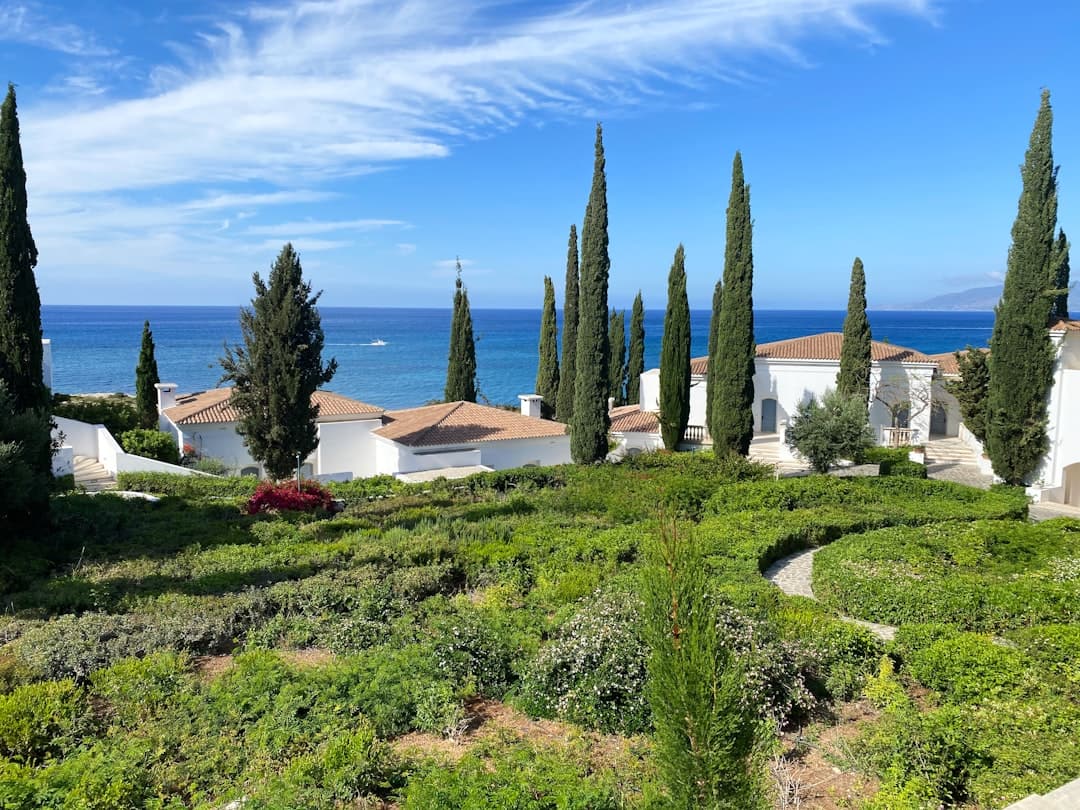
By late June, when the mercury climbs past 38°C and the stone terraces of a Paphos villa radiate heat like a bread oven, the difference between a garden that thrives and one that merely survives comes down to a single feature: canopy. Finding the right fast-growing shade trees for Cyprus gardens isn't a luxury — it's the single most impactful investment you can make for outdoor comfort, energy bills, and property value on this island. The good news? Several species can deliver genuine, sit-under-it shade within three to five years, not the decade many homeowners fear.
Quick answer: The fastest-growing shade trees for Cyprus gardens are the Chinaberry (Melia azedarach), Mulberry (Morus alba), Tipuana Tipu, and Jacaranda mimosifolia — all capable of adding 1–1.5 metres of height per year once established, reaching usable shade canopy within 3-4 years in Cyprus's long growing season and mineral-rich soils.
What Makes a Tree "Fast-Growing" in Cyprus's Climate?
Growth rate isn't a fixed number — it's the result of a tree's genetics meeting our specific Mediterranean conditions. Understanding this interaction helps you set realistic expectations and avoid disappointment.
Cyprus's Growing Season Advantage
Unlike Northern European gardens where trees have a six-month growing window, Cyprus offers nearly ten months of active growth potential thanks to mild winters (rarely below 5°C in coastal and lowland areas) and early-arriving spring warmth. Trees here can put on significant growth from February through November, provided water and nutrients are available. This is precisely why species considered "moderate growers" in the UK or Northern US often perform as genuinely fast growers on Cypriot soil.
The Heat and Drought Trade-Off
Fast growth demands water — and this is where many homeowners get it wrong. A tree marketed as "fast-growing" in a nursery catalogue written for temperate climates may struggle badly during a Cyprus August without irrigation support in its establishment years (typically the first 2-3 years after planting). The species featured in this guide have been selected specifically because they combine rapid growth with reasonable drought tolerance once mature — though all need consistent watering while young. For a broader look at species that prioritize water thriftiness over speed, see our guide to drought-tolerant trees for luxury Cyprus gardens.
Root Systems and Soil Considerations
Cyprus's terra rossa and calcareous soils, generally alkaline with a pH between 7.5 and 8.5, favor trees that aren't fussy about soil chemistry. Fast growers with aggressive, wide-spreading root systems (like Ficus or Eucalyptus) can also cause problems near pools, foundations, and septic systems — a critical planning consideration before you plant.
⚠️Important
300+
Sunny Days/Year
38°C+
Summer Peaks
3-5
Years to Full Shade Canopy
1-1.5m
Annual Growth Rate
Which Trees Grow Fastest in Cyprus's Hot Summers?
This is the question we hear most often from villa owners in Limassol, Paphos, and Larnaca planning their outdoor spaces. Here are the proven performers.
Chinaberry Tree (Melia azedarach)
Few trees establish as quickly in Cyprus as the Chinaberry, locally recognized for its lilac spring blossom and distinctive umbrella-shaped canopy. It's deciduous, which is actually an advantage in a Mediterranean garden — it provides dense summer shade while letting welcome winter sun reach your terrace.
Chinaberry Tree
Melia azedarach
One of the fastest shade providers for Cyprus gardens, reaching 6-8 metres within 4-5 years. Tolerates poor, alkaline soil and summer drought once roots are established. Drops small yellow berries in autumn — plant away from pool areas and parked cars.
Mulberry (Morus alba)
Mulberry trees have shaded Cypriot courtyards for generations, and for good reason — their broad, heart-shaped leaves create dappled, cooling shade almost immediately after the first growing season. Fruitless ornamental cultivars are widely available if you want to avoid the mess of dropped fruit on paving.
White Mulberry
Morus alba
Exceptionally fast growth of up to 1.5 metres per year in Cyprus conditions. Extremely tolerant of heat, wind, and poor soil. Ideal near seating areas where quick shade is the priority — choose fruitless cultivars for low-maintenance planting near patios.
Tipuana Tipu
A favorite among Cyprus landscape architects for larger villa gardens, Tipu produces a graceful, spreading canopy with soft, fern-like foliage and clusters of golden-orange flowers in late spring. It's semi-deciduous in Cyprus's mild winters, often holding leaves through to December.
💡Pro Tip
Jacaranda mimosifolia
While Jacaranda is chosen primarily for its show-stopping violet-blue bloom each May, it's also a genuinely fast grower reaching 2 metres or more in good conditions within its first two years. Its fern-like canopy provides moderate, dappled shade rather than dense cover — ideal for spaces where you want light filtering through rather than total blackout shade.
Are Fast-Growing Trees Suitable for Villa Gardens?
Villa gardens present specific challenges — proximity to pools, expensive hardscaping, irrigation systems, and often a desire for instant visual impact to match a significant property investment. Fast-growing trees can absolutely work, but selection needs to be deliberate.
Balancing Speed with Structure
The temptation with a new villa garden is to plant only fast growers for immediate impact. Experienced Cyprus landscapers instead recommend a mixed approach: fast-growing "nurse" species for early shade, planted alongside slower, more structurally sound trees like Carob (Ceratonia siliqua) or Olive that will eventually become the garden's permanent anchors. As the slow growers mature over 8-10 years, some of the faster species can be thinned or removed.
In villa landscapes across Limassol and Paphos, we almost never plant a single tree species for shade. We pair a fast grower like Mulberry or Tipu with a long-term anchor tree such as Carob. Clients get usable shade within three summers, and a garden that still looks intentional two decades from now.
Positioning for Maximum Cooling Effect
For villa terraces and pool decks, the goal is usually afternoon shade — meaning trees should generally be positioned to the west and southwest of the area you want protected, accounting for Cyprus's high summer sun angle. A well-placed fast-growing tree can reduce surface temperatures on stone paving by 10-15°C compared to direct sun exposure, which translates directly into a more comfortable outdoor living space and reduced air conditioning load for adjacent rooms.
When Trees Alone Aren't Enough
Even the fastest-growing tree takes several years to deliver full canopy coverage. For immediate relief while your trees mature, many villa owners combine young plantings with engineered shade solutions. Our guides to shade sails for Cyprus gardens and bioclimatic pergolas for Cyprus villas cover how to bridge that gap elegantly while your permanent shade trees establish themselves.
How Do You Care for Fast-Growing Shade Trees in Their First Years?
Rapid growth is only achievable with the right early care. Neglect the establishment period and even the best species will stall or, worse, suffer irreversible stress.
Watering Schedules for Establishment
The first two summers are decisive. Newly planted trees need deep watering — 20-40 litres per session depending on size — two to three times weekly during peak summer, tapering to weekly as the root system matures in year two. Watering deeply and infrequently encourages roots to grow downward in search of moisture, building the drought resilience these trees will need later. For a full seasonal breakdown, see our definitive Cyprus summer watering schedule.
💡Pro Tip
Mulching and Soil Health
A 5-8cm layer of organic mulch — wood chips, straw, or composted bark — spread in a wide ring around (but not touching) the trunk dramatically reduces evaporation and moderates soil temperature. In Cyprus's intense summer sun, unmulched soil can reach temperatures that damage surface feeder roots, slowing growth precisely when you want it fastest.
🌿Eco Tip
Protecting Young Trees from Heat Stress
Even heat-tolerant species can suffer during their first exposure to a full Cyprus summer. Watch for leaf scorch, premature leaf drop, or wilting during the hottest weeks of July and August — these are signals that intervention is needed immediately, not next week. If you notice these symptoms, our emergency guide to reviving heat-stressed plants walks through the exact recovery steps that save trees rather than losing them.
What's the Best Low-Maintenance Shade Tree for Cyprus Gardens?
Not every homeowner wants a tree requiring seasonal pruning, fruit clean-up, or careful root management. If low maintenance is your priority alongside speed, certain species stand out.
Defining "Low Maintenance" in a Cyprus Context
A genuinely low-maintenance tree for Cyprus should tolerate our alkaline soils without chlorosis (yellowing between leaf veins), resist common local pests like the cotton cushion scale, and require minimal pruning to maintain a safe, attractive structure. It should also cope with reduced watering once established — ideally needing irrigation only during the most extreme heat spikes after year three.
Golden Rain Tree
Koelreuteria paniculata
A superb low-maintenance choice for Cyprus gardens, offering fast juvenile growth, attractive yellow summer flowers, and striking papery seed pods. Handles alkaline soil without issue and needs little pruning beyond removing crossing branches in winter dormancy.
Species to Approach with Caution
Some genuinely fast growers come with maintenance trade-offs serious enough to reconsider for smaller villa plots. Eucalyptus species, while extremely fast, drop bark and leaves continuously and develop root systems that can lift paving decades later. Ficus varieties offer superb shade but demand significant space and careful placement away from pools and drainage. These aren't reasons to avoid them entirely — but they do mean matching the tree to a garden large enough to accommodate their eventual scale.
Long-Term Value Beyond Speed
It's worth remembering that the fastest-growing tree isn't always the best long-term investment. A tree that reaches shade-giving size in three years but requires constant intervention for the next twenty offers less real value than one that takes five years but then largely cares for itself. This is the philosophy behind pairing fast growers with the sturdier, longer-lived species covered in our drought-tolerant trees guide — best of both timelines in a single garden plan.
Frequently Asked Questions
What are the fastest-growing shade trees for Cyprus gardens?
The fastest options for Cyprus conditions are Chinaberry (Melia azedarach), White Mulberry (Morus alba), and Tipuana Tipu, each capable of 1-1.5 metres of annual growth and meaningful shade canopy within 3-4 years when given consistent water during their establishment period.
How long does it take a shade tree to grow in Cyprus?
Fast-growing species typically deliver usable shade within 3-5 years in Cyprus's long growing season, compared to 8-10 years for slower, longer-lived species like Carob or native Oak. Growth speed depends heavily on consistent irrigation during the first two summers after planting.
Do fast-growing trees damage pools or foundations in Cyprus?
Some can — particularly Ficus and Eucalyptus species, whose extensive root systems seek out moisture sources. Plant these at least 5-8 metres from pools, walls, and underground pipes. Mulberry, Chinaberry, and Golden Rain Tree pose considerably lower risk to nearby hardscaping.
Can I plant fast-growing shade trees in summer in Cyprus?
It's not recommended. The best planting windows in Cyprus are October to November and February to March, when soil temperatures are moderate and roots can establish before facing summer heat stress. Summer planting requires significantly more intensive watering and carries a much higher failure risk.
Choosing the right combination of fast-growing and long-term shade trees is one of the most rewarding decisions you'll make for your Cyprus garden — but it's also one where local expertise makes a real difference in long-term success. If you'd like personalized recommendations based on your soil, garden orientation, and villa layout, book a free consultation with the Green Planet Gardening team and let's design a shade strategy that gets better with every passing summer.
Green Planet Gardening
Luxury garden design, construction, and maintenance across Cyprus. Founded by the Knodaritis brothers with over a decade of Mediterranean landscaping excellence.
Book a free consultation →Continue Reading
 Plant Guide
 Plant Guide
 Plant Guide