
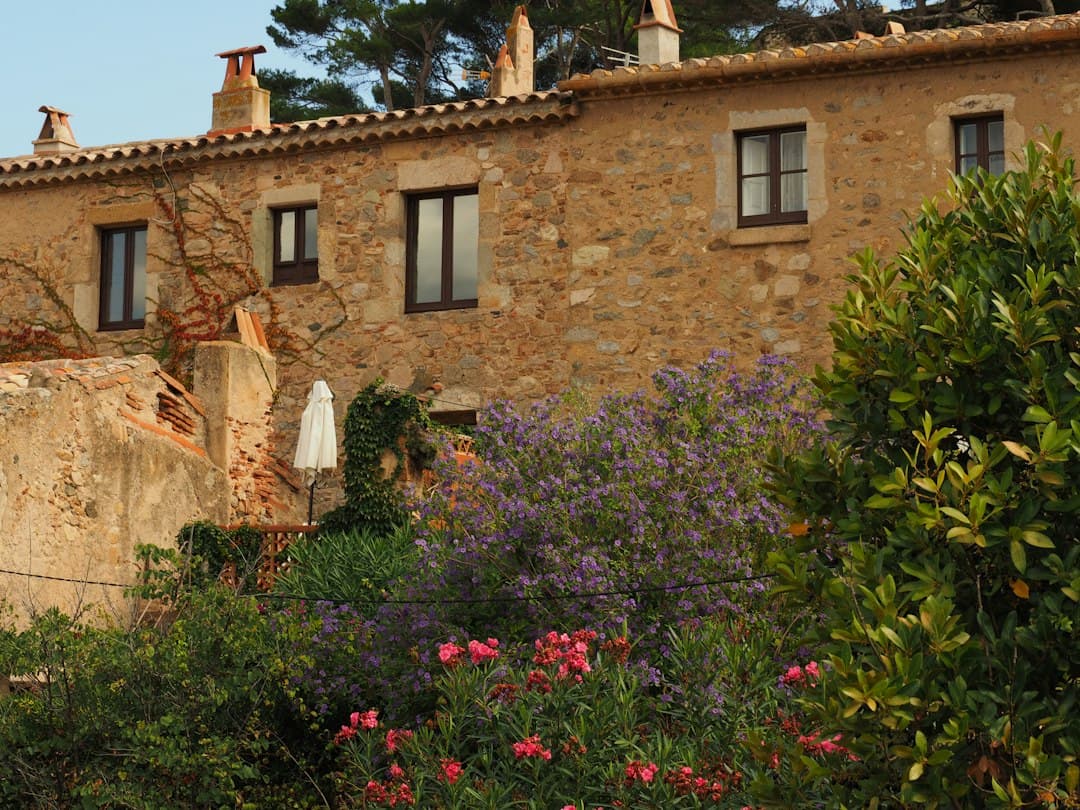
The scent hits you first — that unmistakable sweetness of narcissus drifting across a Kyrenia terrace in February, or the electric blue of grape hyacinths pooling beneath a still-bare fig tree in Troodos foothill gardens. This is the reward for choosing the best bulbs to plant in Cyprus during the golden window of autumn, when the soil cools and the island exhales after its long summer sleep. Get the timing right between late October and early December, and you'll be rewarded with a spring display that rivals anything grown in cooler European climates — often blooming weeks earlier, and with far less fuss.
Quick answer: The best bulbs to plant in Cyprus in autumn for spring flowers are those adapted to hot, dry summers and mild, wet winters — chiefly narcissus (daffodils), Dutch iris, freesia, ranunculus, anemone, and grape hyacinth (muscari). Plant them between late October and early December, once soil temperatures drop below 20°C, at a depth of 2–3 times the bulb's height, in free-draining soil with a pH between 6.5 and 7.5. Avoid tulips and hyacinths unless you're prepared to pre-chill them in the refrigerator for 6–8 weeks, as Cyprus winters rarely provide enough cold to trigger reliable flowering.
When to Plant Bulbs in Cyprus for Best Results
Autumn bulb planting in Cyprus follows a different calendar than the classic "plant by first frost" advice you'll find in northern European gardening books. Here, the goal isn't to beat the cold — it's to let bulbs establish strong root systems before winter rains arrive and before the soil warms again in spring.
The Ideal Planting Window
For most of the island's coastal and lowland regions — Limassol, Larnaca, Paphos, and Nicosia — the sweet spot falls between the last week of October and the first week of December. Soil temperatures at 10cm depth should have dropped to between 15°C and 20°C. Planting too early, while soil is still warm from summer, risks fungal rot before roots develop; planting too late means bulbs miss the critical autumn rains that trigger root growth.
In higher-altitude areas such as Troodos, Platres, or Pedoulas, you can plant slightly later — into mid-December — since cooler ambient temperatures naturally slow soil warming and reduce rot risk.
Reading Your Local Microclimate
Coastal gardens with sandy, fast-draining soil can plant bulbs a touch earlier, as drainage reduces rot risk even in warmer soil. Clay-heavy inland gardens, common around Nicosia and parts of Larnaca district, benefit from waiting until soil has properly cooled and from adding coarse grit or pumice to planting holes.
💡Pro Tip
Test your soil temperature with a simple compost thermometer pushed 10cm into the bed. If it reads above 20°C, wait another week or two before planting — patience here pays off in spring.
If you're overhauling your entire garden layout this season, it's worth reading our guide on how to plan your Cyprus garden renovation before autumn planting season so that bulb beds are positioned alongside your trees, shrubs, and hardscaping from the outset rather than as an afterthought.
The Best Bulbs to Plant in Cyprus This Autumn
Not every bulb beloved in English cottage gardens will thrive here. Cyprus demands species that tolerate long, dry summer dormancy and don't require weeks of hard frost to bloom. The following are the island's most reliable performers.
Mediterranean-Native and Naturalising Bulbs
These are the bulbs that, once planted, will return year after year with minimal intervention — true naturalisers that spread and multiply in Cyprus conditions.
Paperwhite Narcissus
Narcissus papyraceus
One of the few narcissus species genuinely native to the Mediterranean basin, thriving in Cyprus without any chilling period. Plant 10cm deep in October for intensely fragrant December–February blooms. Naturalises readily under olive and citrus trees.
Grape Hyacinth
Muscari armeniacum
Vivid cobalt-blue spikes that multiply into generous drifts within 2–3 years. Extremely drought-tolerant once dormant in summer, making it one of the lowest-maintenance bulbs for Cyprus gardens.
Anemone coronaria
Anemone coronaria
Poppy-like blooms in scarlet, violet, and white that echo Cyprus's wild spring meadows. Soak corms for 2–3 hours before planting to speed germination; flowers appear 10–12 weeks after planting.
These three form the backbone of any authentic Mediterranean bulb display, and they pair beautifully with the perennial planting schemes covered in our article on Mediterranean plant combinations for stunning Cyprus gardens.
Bulbs Requiring a Little Extra Care
Some spring favourites need a helping hand to perform well in our climate, but the extra effort is often worth it for the colour payoff.
Dutch Iris (Iris x hollandica) produces elegant, orchid-like flowers in blue, purple, and yellow. Unlike bearded iris rhizomes, these true bulbs handle Cyprus autumns well and need no special chilling — simply plant 8cm deep in a sunny, well-drained spot.
Freesia offers unbeatable fragrance and works wonderfully in pots on shaded terraces. Plant corms 5cm deep in October; they appreciate a position with morning sun and afternoon shade in warmer coastal gardens to prolong flowering.
Ranunculus asiaticus rewards patience with the most densely petalled, rose-like blooms of the bulb world. Soak claw-shaped tubers for 3–4 hours before planting, claws facing downward, 5cm deep. They perform best in Cyprus's cooler inland and mid-altitude gardens.
Bulbs That Struggle Without Intervention
Tulips and hyacinths are the bulbs most new gardeners in Cyprus want to grow — and the ones most likely to disappoint. Both species evolved in climates with sustained winter cold below 10°C for 12–16 weeks, a chilling period Cyprus's mild winters simply don't provide naturally.
⚠️Important
If you're set on growing tulips or hyacinths, buy pre-chilled bulbs from a reputable supplier, or refrigerate them yourself (away from fruit, which emits ethylene gas that damages the flower embryo) for 6–8 weeks before planting in early December. Without this step, expect stunted stems or blind bulbs that produce leaves but no flowers.
How to Plant Bulbs for Best Results in Cyprus Soil
Technique matters as much as timing. Cyprus's often alkaline, clay-heavy, or limestone-derived soils need specific preparation to prevent the single biggest killer of autumn-planted bulbs: rot.
Soil Preparation and Drainage
Most spring bulbs demand sharp drainage above all else. Before planting, work in a generous layer of coarse horticultural grit, sand, or perlite to a depth of 20cm, particularly in heavier clay soils around Nicosia and inland Larnaca. Aim for a soil pH between 6.5 and 7.5 — most Cyprus soils sit naturally within or above this range, though very calcareous sites may benefit from a light application of sulphur to bring pH down slightly for acid-preferring species like some ranunculus varieties.
Raised beds or mounded planting areas are particularly effective in gardens with heavier soil, lifting bulbs above the winter water table and preventing the waterlogging that causes basal rot.
Planting Depth and Spacing
The general rule — plant at a depth of two to three times the bulb's height — holds true in Cyprus, but spacing deserves special attention if your goal is naturalising. For a natural, drift-like effect rather than regimented rows, scatter bulbs by hand across the planting area and plant them exactly where they land. This mimics the way bulbs spread in the wild and creates the informal, sun-dappled look so characteristic of Mediterranean spring gardens.
Group bulbs in clusters of 7, 10, or 15 rather than single specimens — odd numbers and irregular groupings read as far more natural to the eye than tidy blocks.
Watering After Planting
Contrary to instinct, newly planted bulbs need a thorough watering immediately after planting to settle soil around the bulb and trigger root growth, even if autumn rains haven't yet arrived. After this initial soak, rely on natural rainfall where possible; over-watering dormant bulbs before shoots emerge is a far greater risk than under-watering.
Cyprus gardeners often over-water bulbs out of habit from summer irrigation routines. The bulbs planted in October are dormant and vulnerable — they want a good soak at planting, then patience. Let the winter rains do the rest of the work.
Creating a Naturalised Spring Display
The most breathtaking spring bulb gardens in the Mediterranean don't look planted at all — they look as though they've always been there, emerging through grass, gravel, and the dappled shade of established trees.
Best Locations for Naturalising
Beneath deciduous or light-canopied trees is ideal, since bulbs receive full winter and early spring sun before leaf canopy fills in for summer — a natural rhythm that mirrors their dormancy cycle perfectly. If you've recently planted or are considering new trees for your garden, our guide to the best trees to plant in Cyprus in autumn covers species with canopy structures well suited to underplanting with spring bulbs.
Gravel gardens and rockeries also suit naturalised bulb plantings beautifully, echoing the wild hillsides where anemone, muscari, and native narcissus grow throughout the Troodos foothills and Akamas peninsula.
Companion Planting for Extended Colour
Pairing bulbs with low-growing Mediterranean perennials extends the display well beyond the bulbs' relatively brief flowering window. Rosemary, lavender, and cistus provide structure and silver-green foliage that bulbs can emerge through, while their own flowering seasons overlap to create layered colour from December through May.
🌿Eco Tip
Choose bulbs over cut-flower annuals where possible — once established, naturalised bulbs require no replanting, no additional water beyond natural rainfall, and no fertiliser inputs, making them one of the most sustainable ways to bring seasonal colour to a Cyprus garden.
For a fuller picture of which flowering plants — bulbs and beyond — perform best through a Cyprus spring, our detailed roundup of the best spring flowers for luxury Cyprus gardens is an excellent companion read to this guide.
Common Mistakes to Avoid
Even experienced gardeners transplanting habits from cooler climates run into predictable pitfalls when planting bulbs in Cyprus.
Planting Too Early in Warm Soil
The single most common error is impatience — planting in late September or early October while soil temperatures remain above 22–24°C. This warmth encourages fungal pathogens like Fusarium and Botrytis to attack bulbs before roots can establish, leading to rot rather than roots.
Ignoring Drainage Requirements
Heavy clay soil combined with winter rains is a recipe for bulb loss. Bulbs sitting in waterlogged soil for even a few days can rot beyond recovery. Always prioritise drainage amendments over fertility when preparing a bulb bed.
Choosing the Wrong Species for Your Microclimate
A bulb that thrives in cool, elevated Troodos gardens may sulk or rot in the heat-retaining soil of a coastal Limassol courtyard, and vice versa. Match species to your specific site conditions rather than following generic international planting guides.
Late
Oct–Dec Ideal Planting Window
15–20°C
Ideal Soil Temperature
pH
6.5–7.5 Optimal Soil Range
2–3x
Bulb Height Planting Depth
FAQ: Autumn Bulb Planting in Cyprus
What bulbs should I plant in autumn in Cyprus for spring flowers?
The most reliable choices are paperwhite narcissus, grape hyacinth (muscari), Dutch iris, freesia, anemone, and ranunculus. These species tolerate Cyprus's hot, dry summers and mild winters without requiring artificial chilling, and most will naturalise and return year after year with minimal care.
Can I grow tulips successfully in Cyprus?
Tulips can be grown in Cyprus but require pre-chilling for 6–8 weeks in a refrigerator before planting, since the island's winters rarely drop cold enough for long enough to satisfy the bulb's natural dormancy requirements. Without chilling, tulips often produce foliage but fail to flower.
How deep should I plant bulbs in Cyprus soil?
As a general rule, plant bulbs at a depth of two to three times their own height. Most narcissus and iris bulbs sit well at 8–10cm deep, while smaller bulbs like muscari need only 5–6cm. In heavier clay soils, plant slightly shallower and add grit beneath the bulb to prevent rot.
When will autumn-planted bulbs flower in Cyprus?
Timing varies by species: paperwhite narcissus often bloom as early as December to February, while anemone, ranunculus, and Dutch iris typically flower from February through April, depending on altitude and microclimate. Coastal gardens generally see earlier blooms than higher-elevation sites.
Ready to transform your garden into a naturalised spring spectacle? The team at Green Planet Gardening offers free consultations to help you choose, source, and plant the right bulb varieties for your specific Cyprus microclimate — get in touch today to book your autumn planting session before the season's ideal window closes.
Green Planet Gardening
Luxury garden design, construction, and maintenance across Cyprus. Founded by the Knodaritis brothers with over a decade of Mediterranean landscaping excellence.
Book a free consultation →Continue Reading
 Plant Guide
 Plant Guide
 Plant Guide