
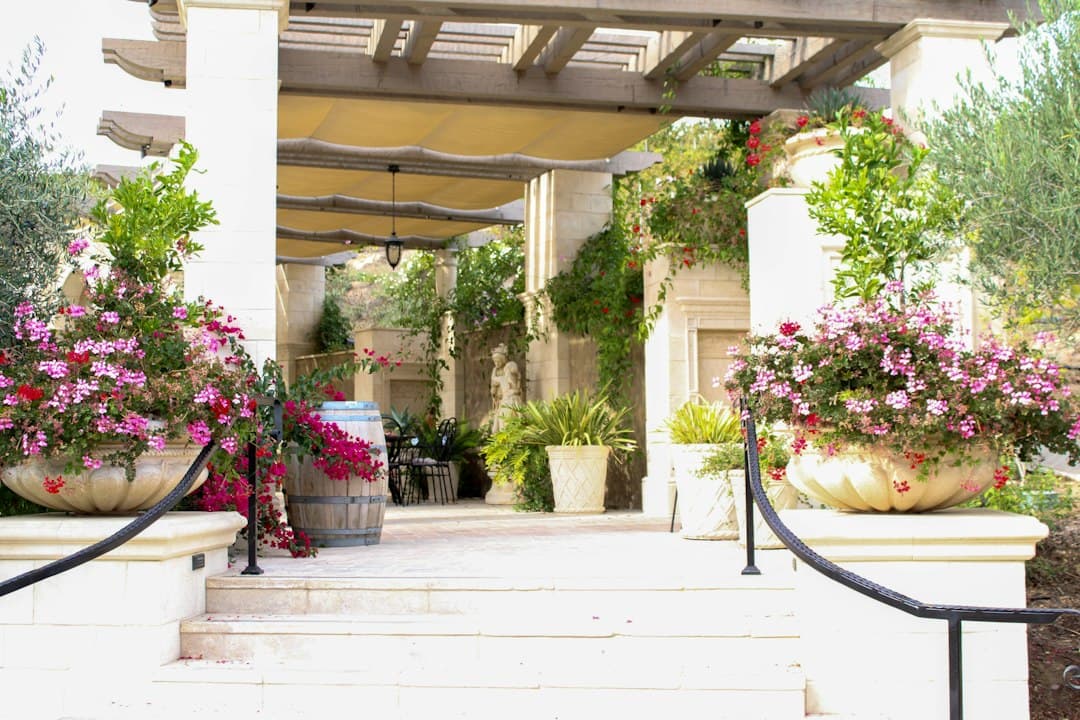
The first cool breeze after a long Cyprus summer signals more than relief—it's nature's starting gun for the island's most rewarding planting window. If you've ever wondered about the best flowering shrubs to plant in Cyprus in autumn, you're asking the right question at exactly the right time. Between October and December, soil temperatures remain warm while air temperatures cool, giving roots a full season to establish before next summer's heat arrives. Get this right, and you're rewarded with a garden that blooms in waves from winter jasmine through to autumn's final rose flush.
Quick Answer: The best flowering shrubs to plant in Cyprus in autumn are Mediterranean natives and climate-adapted species that establish roots during the cool, moist months of October to December. Top choices include oleander (Nerium oleander), lavender (Lavandula), rosemary (Rosmarinus officinalis), Cape plumbago, hibiscus, and bougainvillea—all of which tolerate Cyprus's alkaline clay-loam soils, thrive in 300+ days of annual sunshine, and require minimal irrigation once established. Planting in autumn rather than spring gives these shrubs a six-month head start before summer stress hits.
Why Autumn Is the Best Time to Plant Flowering Shrubs in Cyprus
Cyprus gardeners who plant in spring are often fighting an uphill battle. Young shrubs planted in March or April have barely eight to ten weeks to establish roots before daytime temperatures climb past 30°C. Autumn planting flips this equation entirely in your favor.
The Science Behind Autumn Root Establishment
Soil retains heat far longer than air. Even as October and November bring daytime highs down to a comfortable 22-25°C, soil temperatures at root depth often remain above 18°C well into December. This warmth, combined with autumn's increased rainfall (Cyprus typically receives the bulk of its 500mm annual rainfall between November and March), creates ideal conditions for root growth without the stress of top growth demands. Shrubs planted now spend winter quietly building the root systems that will carry them through next summer's 35°C+ peaks.
Reduced Water Stress and Transplant Shock
A shrub planted in October needs a fraction of the irrigation that the same plant would require if planted in April. Cooler air means less transpiration, lower evaporation from soil surfaces, and less overall water stress on a plant still adjusting to its new position. This is precisely why we always recommend pairing your autumn shrub planting with proper groundwork—our guide on how to prepare flower beds for autumn planting in Cyprus walks through the soil preparation checklist that sets these plants up for success from day one.
💡Pro Tip
What Flowering Shrubs Grow Best in Cyprus? (Featured Answer)
For gardeners short on time, here is the definitive shortlist. These flowering shrubs consistently perform best across Cyprus's varied microclimates, from coastal Limassol gardens to the cooler foothills around Troodos.
Sun-Loving Mediterranean Natives
Shrubs that evolved in similar climates—California, South Africa, and the broader Mediterranean basin—adapt fastest to Cyprus conditions. These plants expect long, dry summers and mild, wet winters, which is exactly what our island delivers.
Oleander
Nerium oleander
Cyprus's most reliable flowering shrub, blooming pink, white, or red from May through October. Tolerant of poor soil, salt spray, and drought once established. Note: all parts are toxic if ingested.
Cape Plumbago
Plumbago auriculata
Sky-blue clusters of flowers appear almost continuously from spring through late autumn. Excellent as a loose hedge or trained against a wall; handles Cyprus's alkaline soils without complaint.
Hibiscus
Hibiscus rosa-sinensis
Large, tropical-looking blooms in red, pink, yellow, or white from late spring to autumn. Benefits from autumn planting and a sheltered position away from harsh winter winds in inland areas.
Fragrant and Aromatic Options
Beyond color, fragrance transforms a garden into a sensory experience. Cyprus's dry heat intensifies essential oils in aromatic shrubs, meaning plants like lavender and rosemary often smell more potent here than in cooler, wetter climates.
Lavender (Lavandula angustifolia and Lavandula stoechas) thrives in Cyprus's free-draining, alkaline soils and rewards autumn planting with a strong root system ready to produce abundant purple spikes by the following May. Rosemary, meanwhile, offers year-round structure, pale blue flowers in late winter, and culinary value—a genuine three-season performer.
🌿Eco Tip
Best Evergreen Flowering Shrubs Cyprus Gardens Need for Structure
While seasonal bloomers provide bursts of color, evergreen flowering shrubs give your garden year-round bones—structure that holds the design together even in the depths of winter when deciduous perennials have died back.
Shrubs That Bloom and Stay Green Year-Round
Photinia, though better known for its striking red new growth, produces small white flower clusters in spring and holds its foliage through winter. Similarly, Viburnum tinus is a Cyprus garden workhorse: it flowers from November through March with clusters of pink-tinged white blooms, precisely when little else is happening in the garden, and its dense evergreen habit makes it superb for hedging or screening.
Using Evergreens as a Framework for Seasonal Color
The most sophisticated Cyprus gardens use evergreen shrubs as a permanent framework, then layer seasonal color around them with perennials and bulbs. This approach, detailed further in our guide to Mediterranean plant combinations for stunning Cyprus gardens, ensures your garden never looks bare, even in January.
Cyprus gardens fail not because people choose the wrong plants, but because they choose the wrong planting month. An oleander planted in October will outperform the same plant put in the ground in June by a full growing season. Autumn isn't just a good time to plant—it's the only time that gives Mediterranean shrubs a fighting chance against our summers.
Autumn Shrub Planting Guide: Step-by-Step for Cyprus Conditions
Success with flowering shrubs comes down to correct planting technique as much as plant selection. Cyprus's heavy clay-loam soils and intense summer sun demand specific adjustments to standard planting advice.
Soil Preparation and Planting Depth
Dig a planting hole at least twice the width of the root ball but no deeper than the root ball itself—planting too deep is one of the most common causes of shrub failure in Cyprus gardens. Because much of the island's soil sits on limestone bedrock with a pH between 7.5 and 8.2, amend heavy clay pockets with coarse grit and well-rotted compost to improve drainage. Backfill with native soil mixed roughly 3:1 with organic matter; over-enriching the hole encourages roots to circle rather than spread outward into native soil.
Spacing and Positioning for Mature Growth
Always plant based on a shrub's mature spread, not its nursery pot size. Oleander, for instance, can reach 3-4 metres wide at maturity, yet is frequently planted 60cm from walls or paths, resulting in constant pruning battles. Check mature dimensions before digging, and position sun-lovers where they'll receive at least six hours of direct light—critical for prolific flowering on species like hibiscus and plumbago.
Mulching and Aftercare Through Winter
Once planted, apply a 5-7cm layer of organic mulch around the base, keeping it clear of the stem to prevent collar rot. Mulch moderates soil temperature, suppresses winter weeds, and dramatically reduces water loss come spring. For a full breakdown of which materials perform best on Cyprus soils, see our complete guide to mulch for Cyprus gardens.
⚠️Important
300+
Sunny Days/Year
35°C+
Summer Peaks
500mm
Annual Rainfall
18°C+
Autumn Soil Temp
pH
7.5-8.2 Typical Soil
Colorful Shrubs for Mediterranean Climate Gardens: Extending the Bloom Season
The secret to year-round color isn't finding one perfect shrub—it's layering species with staggered, overlapping bloom times so something is always in flower.
Winter and Early Spring Bloomers
Winter jasmine (Jasminum nudiflorum) opens cheerful yellow flowers on bare stems from December through February, filling the gap when most shrubs rest. Cistus (rock rose) follows in March and April with papery white or pink blooms that thrive in exactly the poor, rocky soil many Cyprus gardeners consider a liability.
Summer and Autumn Performers
Bougainvillea takes over from May onward, its papery bracts in magenta, orange, or white providing months of color through the hottest part of the year with minimal water once established against a warm wall. Plumbago and hibiscus, mentioned earlier, continue this display right through to November, overlapping neatly with winter jasmine's early blooms to close the color gap.
Companion Planting for Continuous Color
Pairing shrubs with perennials extends interest further still. Divided and transplanted perennials—salvias, agapanthus, and gauras among them—slot beautifully between shrub plantings to fill gaps at ground level. If you're working with existing perennial clumps this season, our guide on how to divide and transplant perennials in Cyprus this autumn explains the correct technique and timing to avoid setting your plants back.
💡Pro Tip
How Autumn Shrub Planting Fits Your Wider Garden Plan
Flowering shrubs rarely exist in isolation. The most successful Cyprus gardens treat autumn as a complete planting season, coordinating shrubs, trees, and perennials together.
Pairing Shrubs with Autumn Tree Planting
If you're also considering trees this season—citrus, olive, or ornamental flowering varieties like judas tree—timing and spacing matter enormously. Our month-by-month guide to planting trees in Cyprus in autumn offers a complementary planting calendar so shrubs and trees establish together rather than competing for the same root zone and light.
Long-Term Maintenance Considerations
Budget for an establishment period of 12-18 months before flowering shrubs reach their full potential. During this window, consistent but not excessive watering, an annual spring feed with a balanced, slow-release fertiliser, and light formative pruning after the main bloom flush will set shrubs on course for decades of reliable flowering—many Mediterranean shrubs like oleander and rosemary can live 20-30 years or more with minimal intervention.
Frequently Asked Questions
What flowering shrubs grow best in Cyprus?
Oleander, Cape plumbago, hibiscus, lavender, rosemary, and Viburnum tinus are the best-performing flowering shrubs in Cyprus. All tolerate the island's alkaline, clay-loam soils, thrive with minimal irrigation once established, and are proven to withstand summer temperatures exceeding 35°C.
When is the best time to plant flowering shrubs in Cyprus?
October through December is the optimal planting window. Soil remains warm from summer while air temperatures cool, giving root systems five to six months to establish before the following summer's heat stress arrives.
Do flowering shrubs need a lot of water in Cyprus?
Most Mediterranean-native flowering shrubs need moderate water only during their first year of establishment—typically twice-weekly deep watering for the first month, tapering to weekly through winter. Once established, species like oleander, rosemary, and lavender require minimal supplemental irrigation and rely largely on winter rainfall.
Can I plant flowering shrubs in clay soil in Cyprus?
Yes, but amend heavy clay with coarse grit and organic compost to improve drainage before planting, and avoid digging planting holes deeper than the root ball, which can cause water to pool around roots and lead to rot.
Ready to transform your garden this autumn but not sure where to start? Book a free consultation with Green Planet Gardening and our horticulture team will assess your soil, sunlight, and space to recommend the perfect flowering shrubs for a garden that blooms beautifully, year after year.
Green Planet Gardening
Luxury garden design, construction, and maintenance across Cyprus. Founded by the Knodaritis brothers with over a decade of Mediterranean landscaping excellence.
Book a free consultation →Continue Reading
 Plant Guide
 Plant Guide
 Plant Guide