
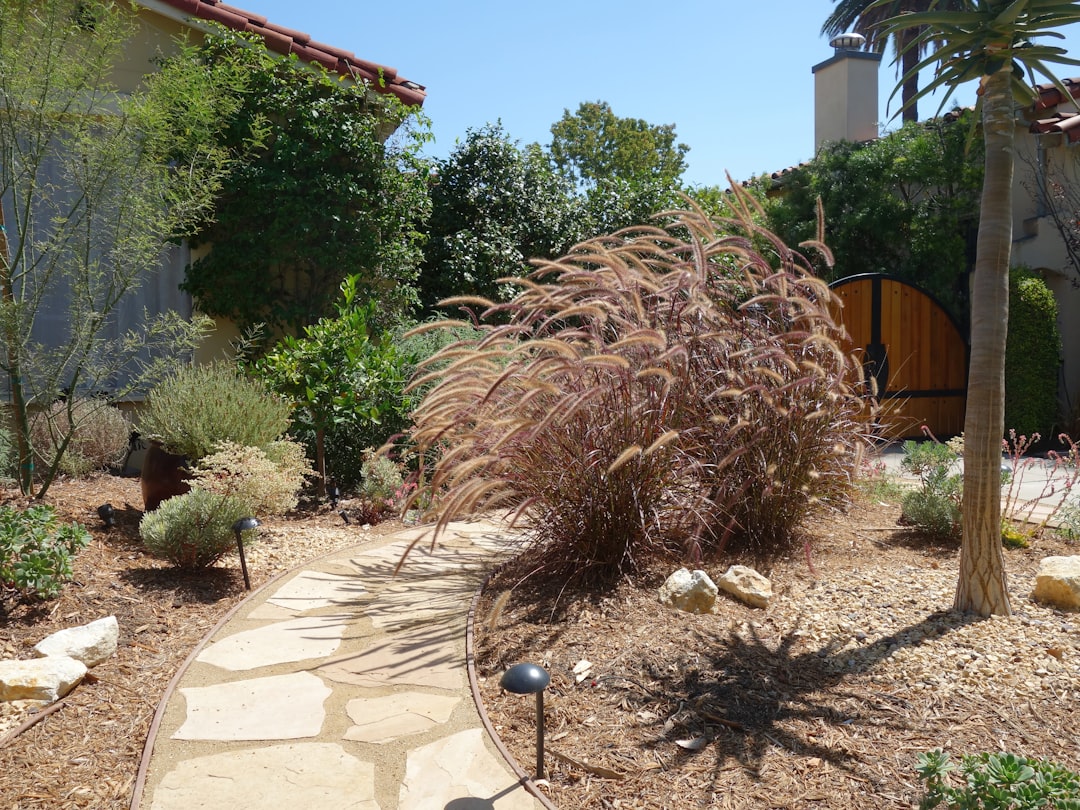
Every summer, the hills above Limassol, Paphos, and Larnaca turn to golden tinder, and the same hot eisemos winds that make Cyprus a paradise for al fresco living also turn gardens into fuel. Fire-resistant landscaping in Cyprus isn't a luxury for villa owners in the wildland-urban interface — it's the single most effective, low-cost insurance policy against catastrophic loss. A well-designed defensible space can mean the difference between a villa that survives an approaching wildfire and one that doesn't.
Quick answer: Fire-resistant landscaping around a Cyprus villa combines three elements — a non-combustible zone within 1.5 metres of the structure, strategically spaced low-flammability plants (like lavender, rockrose, and olive) arranged in "island" groupings rather than continuous hedges, and consistent irrigation and pruning that keeps plant moisture content high and dead material at zero. Together, these design principles slow flame spread, reduce ember ignition, and give firefighters a defensible perimeter.
What Makes a Garden Fire-Resistant in the Mediterranean Climate?
Cyprus regularly logs over 35°C for weeks at a stretch between June and September, with relative humidity dropping into the teens on strong katabatic wind days. Under these conditions, ordinary garden vegetation — dry grasses, resinous conifers, accumulated leaf litter — becomes a ready fuel source. Fire behaviour experts distinguish between plants by their flammability rating, a measure of moisture content, oil/resin composition, leaf shape, and the amount of dead material a species retains.
The Science of Plant Flammability
Highly flammable plants share four traits: low moisture content, high volatile oil content (think pine, cypress, and eucalyptus), fine or needle-like foliage that dries quickly, and a habit of accumulating dead leaves and branches internally. Fire-resistant plants do the opposite — they hold water in thick, fleshy, or waxy leaves, grow in low, compact forms, and self-clean rather than build up dry litter.
Why Cyprus Villas Are Especially Vulnerable
Many hillside villas in Cyprus sit at the wildland-urban interface, surrounded by phrygana scrubland, pine forest, or abandoned agricultural terraces thick with dry thistle and wild oats. Add to this the region's steep topography (fire moves faster uphill), consistent summer drought, and the popularity of ornamental conifers and tall grasses in older garden designs, and you have a landscape primed for rapid ember transport and flame spread directly to rooflines.
300+
Sunny Days/Year
35°C+
Summer Peaks
500mm
Annual Rainfall
30m
Recommended Defensible Space Radius
What Plants and Landscaping Design Reduce Wildfire Risk Around a Cyprus Villa?
This is the question every villa owner in a fire-prone zone should be asking, and the answer has three interlocking parts: zoned defensible space, low-flammability plant selection, and disciplined maintenance.
The Three Defensible Space Zones
Fire agencies internationally (and increasingly, Cyprus Forest Department guidance) recommend a zoned approach:
- Zone 0 (0–1.5m from structure): Non-combustible only. Gravel, stone paving, decomposed granite. No mulch, no shrubs touching walls, no wooden furniture stacked against the house.
- Zone 1 (1.5–10m): Low-growing, well-spaced, high-moisture plants. Irrigated lawn or groundcover, isolated fire-resistant shrubs, no continuous canopy.
- Zone 2 (10–30m): Widely spaced trees and shrubs, mowed grass, thinned canopy with at least 3 metres of horizontal spacing between crowns and no "ladder fuels" connecting ground vegetation to tree canopy.
⚠️Important
Low-Flammability Mediterranean Plants for Cyprus Gardens
The good news: many of the most drought-tolerant, water-wise plants beloved in Mediterranean gardens also happen to be excellent fire-resistant choices, because low flammability and drought tolerance both correlate with high-moisture, fleshy or waxy foliage. If you're already exploring drought-resistant Cyprus garden design, you're halfway to a fire-safe landscape.
Rockrose
Cistus × purpureus
A phrygana native with soft, slightly sticky leaves that hold moisture even in peak summer drought. Grows as a low, compact mound to 1m, ideal for Zone 1 plantings spaced 1.5–2m apart.
Lavender
Lavandula angustifolia
Fine but moisture-retentive foliage and a low, non-woody-litter growth habit make lavender a reliable Zone 1 choice. Prune hard after flowering each June to remove dead stems and prevent fuel buildup.
Olive Tree
Olea europaea
Broad, leathery leaves with relatively low resin content and an open canopy make mature, well-pruned olives one of the safest specimen trees for Zone 2 plantings — provided the crown is kept clear of dry grass at its base.
For more specimen tree ideas that pair fire safety with architectural elegance, see our guide to drought-tolerant trees for luxury Cyprus gardens.
How Do You Design a Defensible Space Layout Step by Step?
Defensible space landscaping is as much about geometry as plant choice. Fire spreads through continuous fuel; break the continuity, and you break the fire's momentum.
Spacing Plants to Break Fuel Continuity
Rather than planting continuous hedgerows or dense shrub borders against the villa, arrange shrubs in isolated "island" clusters separated by non-combustible surfaces — gravel paths, stone patios, or irrigated lawn. As a rule of thumb, horizontal spacing between shrub clusters should be at least two to three times the mature height of the plants. A cluster of rockrose reaching 1m tall should sit at least 2–3m from the next cluster.
Hardscaping as a Fire Barrier
Gravel courtyards, natural stone terraces, and decomposed granite paths do double duty in a Cyprus villa garden: they're elegant, low-water design features (a cornerstone of good xeriscaping in Cyprus) and they function as literal firebreaks. A 3-metre-wide gravel or paved path around the perimeter of a building, combined with stone retaining walls on sloped sites, can dramatically slow an advancing ground fire.
Irrigation Zones That Double as Firebreaks
An irrigated lawn or dense, well-watered groundcover belt immediately beyond Zone 0 keeps ambient moisture high precisely where embers are most likely to land. Drip irrigation systems tucked beneath mulch-free groundcover, paired with a smart controller that increases watering frequency during red-flag fire-risk days, turn everyday water-wise design into active fire defence. This is where a thoughtfully engineered water-wise luxury landscaping plan earns its keep twice over — conserving water most of the year, and protecting the property when it matters most.
💡Pro Tip
Which Plants Should You Avoid in a Fire-Prone Cyprus Garden?
Just as important as knowing what to plant is knowing what to remove or relocate.
High-Risk Ornamentals Common in Cyprus Gardens
Italian cypress (Cupressus sempervirens), despite its iconic silhouette in Cyprus landscape design, is classified among the most flammable ornamental trees due to its resinous foliage and tendency to torch rapidly. Similarly, ornamental pines, junipers, and eucalyptus — all popular for their fast growth and Mediterranean look — carry high oil content and should be kept well outside the 10-metre defensible perimeter, if used at all.
Dry Grasses and Accumulated Litter
Ornamental pampas grass, unmown wild oat, and dried Mediterranean meadow plantings look beautiful in spring but become a serious ember-catching fuel bed by July. Any tall grass within 10 metres of structures should be mown to under 10cm before the fire season begins in May, and kept short throughout summer.
The Danger of Dead Material and Ladder Fuels
A single overgrown, unpruned shrub with a core of dead brown branches can ignite as readily as a pile of kindling. "Ladder fuels" — low branches, climbing vines, or shrubs planted directly beneath tree canopies — allow a ground fire to climb into the tree crown, where it spreads far more rapidly via wind-blown embers.
🌿Eco Tip
In fifteen years designing gardens across the Troodos foothills and coastal villa estates, I've seen the same pattern every fire season: it's never the house that burns first, it's the garden. Get the first ten metres right, and you've done more for a villa's safety than any amount of insurance paperwork.
How Do You Maintain a Fire-Resistant Garden Through the Cyprus Fire Season?
Design alone isn't enough — a fire-resistant garden requires disciplined seasonal maintenance, particularly as Cyprus moves from the wet, green months of winter and spring into the tinder-dry summer.
Pre-Summer Preparation (April–May)
Before the Forest Department's fire season officially begins (typically 1 May to 15 October), walk the entire property and: remove all dead wood and dry leaf litter from Zone 0 and Zone 1; cut back any shrub touching a wall, window, or gutter; mow all grass within 10 metres of structures; and clear pine needles or dry leaves from roof valleys and gutters, where windblown embers most commonly ignite a home.
Mid-Summer Vigilance (June–September)
During peak heat, inspect irrigation systems weekly for blockages or leaks — a failed drip line can turn a fire-resistant Zone 1 planting into a dry fuel bed within days. Keep firewood stacks, propane tanks, and garden waste piles at least 10 metres from the villa, and never store combustible materials against exterior walls.
Autumn Cleanup and Winter Planning
Once the fire risk eases in late October, use the cooler, wetter months to prune woody shrubs hard, remove any plants that struggled through summer (a sign they may be poorly suited to the site and worth replacing with hardier natives), and plan any new plantings for the coming spring using the zoned, spaced design principles above.
⚠️Important
Frequently Asked Questions
What is the minimum defensible space needed around a Cyprus villa?
Cyprus Forest Department and international fire agencies generally recommend a minimum of 10 metres of maintained, zoned defensible space, extending to 30 metres on steep slopes or in high-risk pine forest interface areas, where fire moves faster and generates longer ember spotting distances.
Are all Mediterranean native plants fire-resistant?
No. While many Mediterranean natives like rockrose, lavender, and rosemary are low-flammability due to their moisture-retentive foliage, others — including native pines, junipers, and dried phrygana grasses — are highly flammable. Plant selection must be species-specific, not just "native versus non-native."
Can artificial turf or gravel gardens improve wildfire safety?
Yes. Non-combustible hardscaping such as gravel, decomposed granite, and natural stone paving in Zone 0 and as pathways through Zone 1 significantly reduces fuel continuity and is one of the most effective, low-maintenance fire-safety upgrades available to Cyprus villa owners.
How often should fire-resistant gardens be irrigated in summer?
Deep, infrequent irrigation — typically two sessions per week delivering thorough root-zone saturation — is more effective for fire resistance than frequent shallow watering, as it builds deeper root systems and sustained leaf moisture that resist ignition even during extended heatwaves.
Designing a garden that's beautiful, water-wise, and genuinely fire-safe takes local expertise — the kind that understands both Cyprus's unique microclimates and the specific fire behaviour of Mediterranean vegetation. If you'd like a professional assessment of your villa's defensible space, book a free consultation with Green Planet Gardening and let our team design a garden that protects what matters most.
Green Planet Gardening
Luxury garden design, construction, and maintenance across Cyprus. Founded by the Knodaritis brothers with over a decade of Mediterranean landscaping excellence.
Book a free consultation →Continue Reading
 Sustainability
 Sustainability
 Sustainability