
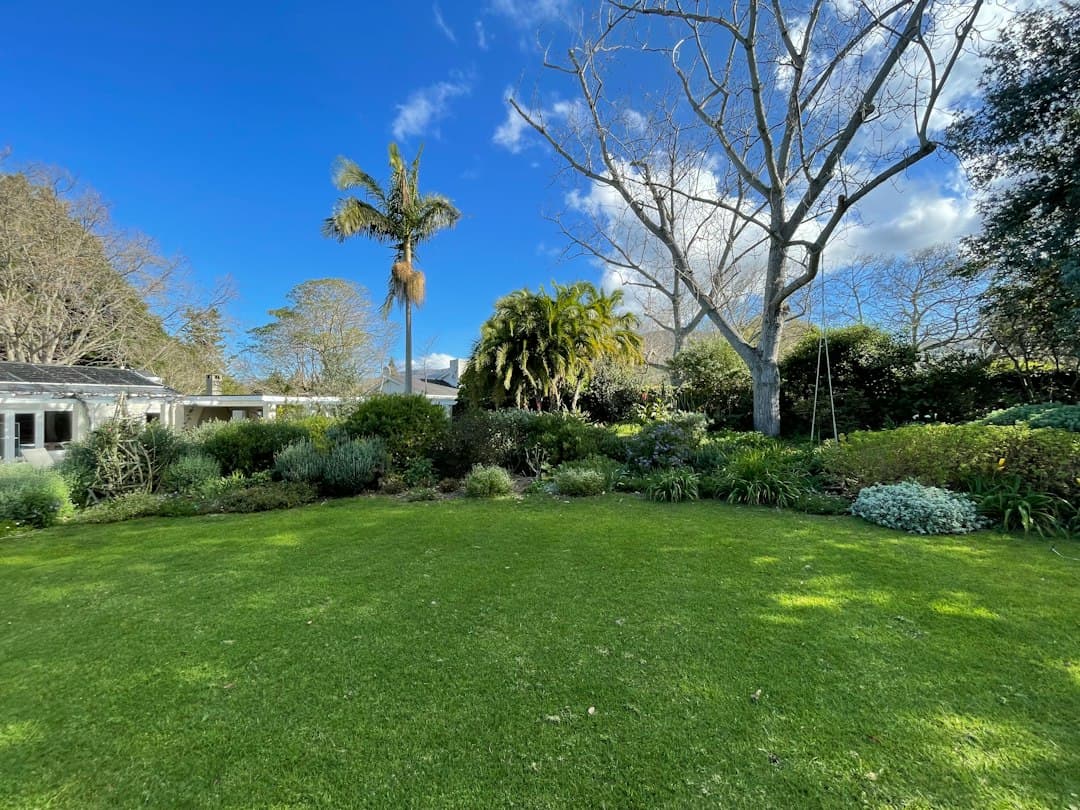
By late September, the Cyprus sun finally loosens its grip, and beneath the crispy, sun-bleached patches of your lawn, something remarkable is waiting to happen. Autumn lawn renovation in Cyprus is the single most transformative gardening project you can undertake this season — and the six-week window between mid-September and early November is, quite simply, non-negotiable if you want a lush, resilient lawn by Christmas. After months of relentless 38°C heat and irrigation restrictions, your grass isn't dead — it's dormant, damaged, and desperate for the right intervention at the right moment.
Quick answer: The best time to overseed a lawn in Cyprus is between mid-September and mid-October, once soil temperatures drop below 24°C but air temperatures still hover around 25-28°C during the day. This narrow window gives cool-season grass seed enough warmth to germinate quickly (within 7-14 days) while avoiding the scorching heat that kills seedlings and the cold snaps of late November that stall root development.
When Is the Best Time to Overseed a Lawn in Cyprus?
Timing is everything in Mediterranean lawn care, and nowhere is this truer than in Cyprus, where the gap between "too hot" and "too cold" can feel frustratingly narrow.
Why September Is the Golden Window
Soil temperature — not air temperature — is the real trigger for successful germination. Throughout a Cyprus summer, soil temperatures at seeding depth (roughly 1-2cm) can exceed 35°C, which is lethal to germinating seed. By mid-September, as day length shortens and the sun's angle lowers, soil temperatures typically fall into the 20-24°C range: the sweet spot for cool-season species like tall fescue and perennial ryegrass to germinate rapidly and establish strong root systems before winter dormancy.
Wait too long — into December — and cooling soil combined with shorter days will slow germination dramatically, sometimes stretching a two-week process into six weeks, with seedlings vulnerable to damping-off disease in cool, damp conditions.
Reading Your Local Microclimate
Cyprus is not climatically uniform. Coastal gardens in Limassol or Larnaca retain heat longer into autumn, so overseeding can safely begin in early-to-mid September. Inland and elevated areas — Troodos foothills, Platres, or even parts of Nicosia's outskirts — cool faster, meaning late September to early October is often more reliable. As a rule of thumb, wait until nighttime lows consistently drop below 20°C.
💡Pro Tip
Why Does Your Cyprus Lawn Need Autumn Renovation?
The Damage Summer Leaves Behind
Even with diligent irrigation, a Cyprus summer batters lawns through a combination of intense UV exposure, evapotranspiration rates that can exceed 6-8mm per day, and water restrictions that force many households to under-irrigate. The result is thinning turf, bare patches where shallow-rooted grass simply gave up, and compacted soil from months of foot traffic on stressed ground. If you're dealing with widespread browning or crispy patches, our detailed guide on how to repair a heat-damaged lawn in Cyprus after summer walks through the diagnostic side of this problem in more depth.
Cool-Season Grass Growth Cycles Explained
Most lawns in Cyprus are seeded with cool-season grasses — tall fescue, ryegrass, and sometimes Kentucky bluegrass blends — because they offer the best year-round appearance in a Mediterranean climate compared to warm-season alternatives. These species have two active growth phases: a vigorous spring flush and an equally important autumn growth surge, triggered precisely by the cooling soil and increased rainfall of September and October. Skipping autumn renovation means missing one of only two windows per year when your lawn can meaningfully thicken and repair itself.
300+
Sunny Days/Year
35°C+
Summer Peaks
500mm
Annual Rainfall
6-8
Weeks Optimal Overseeding Window
How Do You Overseed a Lawn in Cyprus Step by Step?
Overseeding lawn in Cyprus isn't complicated, but it does reward precision. Here's the professional sequence we follow on renovation projects across the island.
Step 1: Scalp, Dethatch, and Aerate
Begin by mowing your lawn shorter than usual — roughly 3-4cm — to remove excess leaf blade and expose the soil surface. Follow this with dethatching (using a spring-tine rake or mechanical dethatcher) to strip out the dead organic layer that builds up over summer and blocks seed-to-soil contact. Finally, core aerate the entire lawn, pulling small plugs of soil to relieve compaction. This trio of steps is arguably more important to overseeding success than the seed itself, since even premium grass seed for Cyprus climate conditions will fail if it can't reach bare soil.
Step 2: Choose the Right Grass Seed for Cyprus Climate
Not all seed blends perform equally here. Look for:
- Tall fescue blends (70-90% of most quality mixes) for drought tolerance and deep rooting
- Perennial ryegrass (10-20%) for fast germination and quick green-up, typically visible within 7-10 days
- Minimal or no Kentucky bluegrass unless your garden has reliable irrigation and partial shade, as it struggles in full Cyprus sun
Tall Fescue
Festuca arundinacea
The backbone of most Cyprus lawn seed mixes. Deep roots (up to 60cm) make it remarkably drought-resilient once established, and it tolerates the island's alkaline clay-loam soils well.
Perennial Ryegrass
Lolium perenne
Germinates fastest of all cool-season grasses, often within a week in warm September soil. Best used as a nurse grass mixed with fescue rather than alone, since it's shorter-lived in Cyprus heat.
Step 3: Seed, Topdress, and Water Correctly
Apply seed at the recommended rate — typically 30-35g per square metre for overseeding thin turf, or up to 50g/m² for bare patch repair. Lightly topdress with 0.5cm of screened compost or seeding soil to improve seed-to-soil contact and retain moisture. Then water lightly but frequently: two to three short sessions daily (5-10 minutes each) for the first two weeks, tapering to deeper, less frequent watering as seedlings establish roots.
⚠️Important
How Do You Repair Bare and Damaged Patches?
Identifying Problem Areas Correctly
Before broadcasting seed across the entire lawn, walk your garden and mark distinctly different problem zones: compacted paths worn by foot traffic, fungal disease patches (often circular, with a darker ring edge), and simply sun-scorched areas that thinned but didn't die outright. Each requires slightly different prep — disease patches, for instance, benefit from a light fungicide application before reseeding to prevent reinfection of new seedlings.
Targeted Reseeding Technique
For bare patches larger than 15-20cm, loosen the top 2-3cm of soil with a hand cultivator, mix in fresh compost, then seed at double the standard rate (60-70g/m²) since patch repair has no surrounding grass to fill gaps naturally. Cover with a thin straw mulch or seeding mat to protect against birds and evaporation — a particularly useful trick during Cyprus's still-warm late-September afternoons.
Integrating Repair Into a Broader Garden Plan
Autumn lawn work rarely happens in isolation — it's usually one part of a wider seasonal refresh that might include bed replanting, irrigation checks, or hardscaping touch-ups. If you're tackling multiple projects at once, it's worth reading how to plan your Cyprus garden renovation before autumn planting season to sequence lawn work alongside other autumn tasks efficiently, since soil prep for beds and turf often overlaps.
September in Cyprus is the closest thing our lawns get to a reset button. Every year, clients come to us in July convinced their lawn is beyond saving, and every year, six weeks of proper autumn renovation proves them wrong.
What Ongoing Care Does an Overseeded Lawn Need?
Mowing and Fertilising Through Autumn
Hold off mowing until new seedlings reach 7-8cm, then cut no shorter than 5cm to avoid stressing young root systems. Apply a starter fertiliser high in phosphorus at seeding time to encourage root development, followed by a balanced autumn feed (roughly 4-6 weeks later) once grass is established and actively growing.
Managing Irrigation as Temperatures Drop
As October progresses and temperatures ease further, gradually reduce watering frequency while increasing duration — training roots to grow deeper rather than staying near the surface chasing daily light sprinkles. By November, most established Cyprus lawns need watering just 2-3 times weekly.
Preparing for Winter Dormancy
Cool-season lawns in Cyprus remain actively green through winter but slow their growth considerably once temperatures drop below 10°C. A final light feed in late November, along with a reduced mowing height going into December, sets your renovated lawn up to emerge vigorously come spring.
🌿Eco Tip
Of course, not every Cyprus garden is suited to this annual cycle of renovation and repair. If the ongoing maintenance of natural turf doesn't match your lifestyle or water budget, it's worth weighing the alternatives explored in artificial grass vs natural lawn in Cyprus: which is better for your villa garden? — particularly for high-traffic areas or gardens with limited irrigation access. And for those committed to natural turf, our broader look at luxury lawn care in 2025: smart and eco-friendly solutions covers smart irrigation controllers and organic feeding programmes that pair beautifully with an autumn renovation routine.
FAQ: Autumn Lawn Renovation in Cyprus
When is the best time to overseed a lawn in Cyprus?
The optimal window is mid-September through mid-October, when soil temperatures fall between 18-24°C. This allows cool-season grass seed to germinate within 7-14 days while avoiding both summer heat stress and late-autumn cold that slows root establishment.
How long does it take for overseeded grass to fill in?
Perennial ryegrass typically germinates within 7-10 days, with tall fescue following at 10-14 days. Full establishment and a uniformly thick lawn generally takes 6-8 weeks from seeding, meaning a mid-September start yields a fully renovated lawn by early-to-mid November.
Do I need to remove old grass before overseeding?
No — overseeding works by introducing new seed into existing turf, not replacing it. However, dethatching and aerating beforehand is essential, since old thatch and compacted soil are the two biggest barriers preventing new seed from reaching bare soil and germinating successfully.
How often should I water newly overseeded grass in Cyprus?
Water lightly two to three times daily for the first two weeks (5-10 minutes per session) to keep the top 1-2cm of soil consistently moist without becoming waterlogged. Gradually reduce frequency while increasing duration once seedlings reach mowing height, training roots to grow deeper.
Ready to give your lawn the renovation it deserves before winter sets in? Book a free consultation with Green Planet Gardening and let our team assess your soil, recommend the right grass seed blend for your specific microclimate, and handle the entire overseeding process — so you can enjoy a thick, green lawn without the guesswork.
Green Planet Gardening
Luxury garden design, construction, and maintenance across Cyprus. Founded by the Knodaritis brothers with over a decade of Mediterranean landscaping excellence.
Book a free consultation →Continue Reading
 Landscaping
 Landscaping
 Landscaping