
The first cool breath of autumn arrives in Cyprus almost unnoticed — a few degrees shaved off the midday heat, dew returning to the grass by morning, and suddenly the island's dry red earth is ready to receive roots again. If you've been waiting for the right moment to plant fruit trees, this is it. While lemon and orange trees get most of the attention in Mediterranean gardens, the best fruit trees to plant in Cyprus this autumn include figs, pomegranates, apricots, and other deciduous species that are, in many ways, even better suited to our climate than citrus.
Quick answer: The best fruit trees to plant in Cyprus in autumn (besides citrus) are fig, pomegranate, apricot, almond, and persimmon — all deciduous or semi-deciduous species that thrive in Cyprus's hot, dry summers and mild, wet winters. Planting between October and December allows roots to establish during the cool, rainy season before the stress of next summer's heat.
What Fruit Trees Grow Best in Cyprus?
Cyprus offers a near-perfect climate for Mediterranean and subtropical fruit trees: long, dry summers, mild winters rarely dipping below 5°C in lowland areas, and alkaline, mineral-rich soils. The trees that perform best here are the ones evolved for exactly this rhythm — species that go dormant in winter, flower early, and ripen fruit before the harshest heat of July and August arrives.
300+
Sunny Days/Year
35°C+
Summer Peaks
500mm
Annual Rainfall
pH
7.5-8.3 Typical Soil
Why Deciduous Fruit Trees Suit the Cyprus Climate
Deciduous fruit trees — figs, pomegranates, apricots, almonds, plums — drop their leaves in winter and enter dormancy, which is precisely what allows them to tolerate Cyprus's dry summers so well. A dormant tree needs no irrigation and no leaf canopy to maintain, meaning it survives on winter rainfall alone until spring growth resumes. This is fundamentally different from citrus, which stays evergreen year-round and therefore needs consistent irrigation even in the depths of winter. If you already grow citrus, you'll find these deciduous species a refreshingly low-maintenance complement — read our complete guide to growing citrus trees in Cyprus for comparison.
Why Autumn Is the Ideal Planting Window
Soil temperatures in October and November across Cyprus typically remain between 18-22°C — warm enough to encourage root growth, but without the punishing surface heat of summer that stresses newly disturbed roots. Combined with the onset of the island's rainy season (usually from late October through March), autumn planting gives a young tree four to five months to establish a strong root system before it must face its first Cyprus summer. Trees planted in spring, by contrast, have only a few weeks before 30°C+ days arrive, and they often struggle with transplant shock during the hottest, driest stretch of the year.
💡Pro Tip
The Fig Tree: Cyprus's Most Forgiving Fruit Tree
No fruit tree feels more at home in Cyprus than the fig (Ficus carica). It has grown wild across the island for millennia, scrambling over stone terraces and thriving in soils too poor and rocky for almost anything else.
Common Fig
Ficus carica
Extremely drought-tolerant once established; tolerates poor, rocky, alkaline soils typical of Cyprus. Produces two crops a year (breba in June, main crop in August-September) in most lowland areas.
Fig Tree Care in Cyprus: Soil, Water and Pruning
Fig tree care in Cyprus is remarkably forgiving compared to most fruit trees. Figs actually produce sweeter, more concentrated fruit when slightly stressed for water, so resist the urge to over-irrigate established trees — a deep soak every 10-14 days through summer is plenty for a mature tree. In the first two years, however, consistent moisture is essential while the root system develops; a simple drip irrigation setup delivering 15-20 litres weekly is ideal for young trees.
Prune figs in late winter while dormant, removing crossing branches and opening the canopy to let light reach the ripening fruit. Cyprus's intense summer sun means fig trees here rarely need protection from scorch the way they might in cooler climates — if anything, a loosely open canopy improves air circulation and reduces fungal issues during humid spells.
Choosing the Right Fig Variety for Your Garden
Local varieties such as 'Kyriakitika' and 'Rodia' are well-acclimatised to Cyprus conditions and widely available at island nurseries, but imported varieties like 'Brown Turkey' and 'Black Mission' also perform excellently. Whichever you choose, plant in full sun, ideally against a south-facing wall if your garden is in a higher, cooler region like Troodos foothills, where the reflected heat helps fruit ripen fully.
Is Pomegranate a Good Tree for Cyprus Gardens?
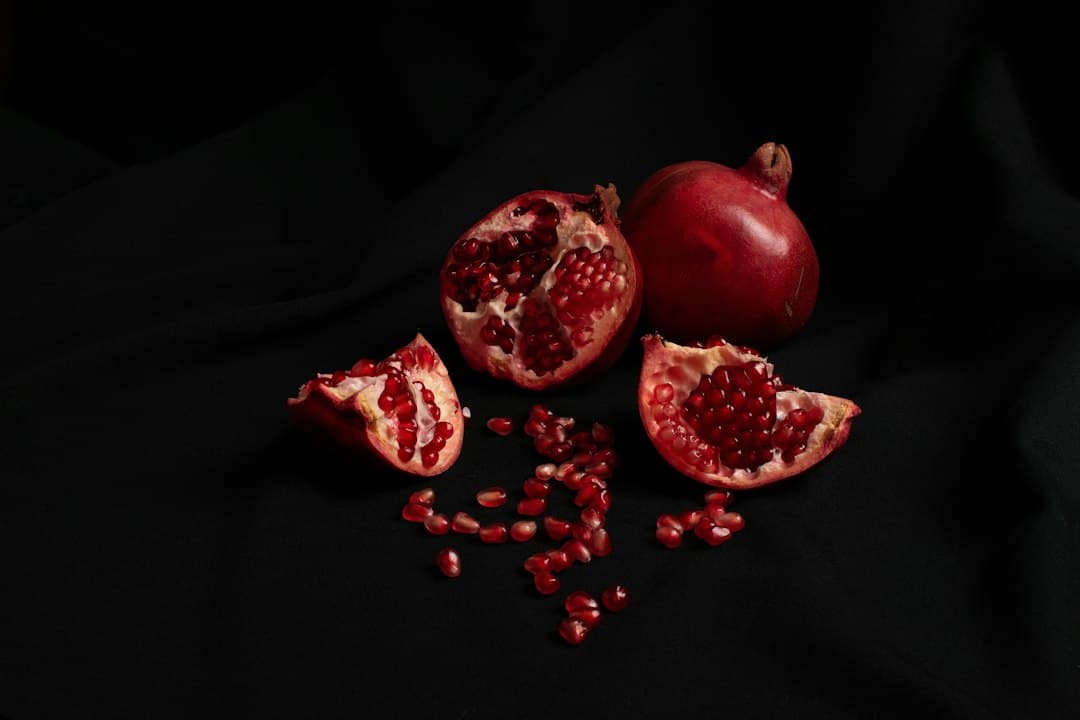
Yes — arguably one of the single best choices among the best fruit trees to plant in Cyprus, the pomegranate (Punica granatum) is practically a native of the eastern Mediterranean and performs exceptionally well in our climate.
Pomegranate
Punica granatum
Thrives in Cyprus's alkaline soils and hot summers; highly drought-tolerant once mature. Fruit ripens September-November with vivid red arils prized for juice and garnish.
Pomegranate Tree Cyprus Climate Suitability
The pomegranate tree's relationship with the Cyprus climate is close to ideal: it requires a long, hot, dry summer to develop full fruit sweetness and a cool winter dormant period to set flower buds for the following year — both of which Cyprus provides naturally. Mature trees tolerate temperatures up to 40°C and survive on minimal irrigation, while also handling the alkaline, clay-heavy soils common across the island's lowland regions. If your garden has struggled with heavy clay, pomegranate is one of the few fruit trees that won't mind — though improving drainage still helps; see our guide to amending Cyprus clay soil for practical steps before planting.
Planting and Early Care for Pomegranate Trees
Dig a planting hole twice the width of the root ball, backfill with a mix of native soil and well-rotted compost, and water deeply at planting to eliminate air pockets. Pomegranates are naturally multi-stemmed shrubs if left unpruned; most Cyprus gardeners train them to a single or triple-trunk tree form in the first two years by selecting the strongest shoots and removing competing suckers. Expect first fruit within two to three years, and full productivity by year five.
🌿Eco Tip
What Other Deciduous Fruit Trees Thrive in a Mediterranean Garden?
Beyond figs and pomegranates, several other deciduous fruit trees belong on any serious shortlist for a Mediterranean garden in Cyprus, each suited to slightly different conditions.
Apricot Trees: Early Flowering, High Reward
Apricots (Prunus armeniaca) flower extremely early — often by late February in Cyprus — which rewards gardeners with fruit by late May, well ahead of the summer heat. The trade-off is frost risk during flowering in inland and higher-altitude gardens; coastal and lowland locations like Limassol, Larnaca, and Paphos districts are generally safer bets. Apricots need excellent drainage and will sulk, or worse, develop root rot, in waterlogged clay.
Almond Trees: Low Water, High Reward in Poor Soils
Almonds (Prunus dulcis) are perhaps the most drought-resilient of all common fruit trees suitable for Cyprus, historically grown on dry hillsides with no irrigation at all beyond establishment. Their pale pink-white blossoms in January-February also make them one of the earliest and most beautiful signs of the Cyprus almond bloom season. They tolerate poor, stony soils better than almost any other fruit tree on this list.
Persimmon: A Lesser-Known Autumn Star
Persimmon (Diospyros kaki) remains underplanted in Cyprus gardens despite performing beautifully, particularly in slightly cooler inland locations. Its brilliant orange fruit ripens in November, often hanging on bare branches after leaf drop — a striking autumn feature in its own right. Persimmons need more consistent moisture than figs or pomegranates but otherwise ask little, tolerating the island's alkaline soils without complaint.
In twenty years of planting Cyprus gardens, I've never seen a fig or pomegranate fail from drought — but I've seen plenty struggle from kindness, meaning too much water, too much fuss. Give these trees sun, decent drainage, and patience, and the island does the rest.
When to Plant Fruit Trees in Cyprus for Best Results
Timing is, without exaggeration, the single biggest factor determining whether a newly planted fruit tree thrives or merely survives its first year in Cyprus.
The Ideal Autumn-Winter Planting Calendar
For deciduous fruit trees, the planting window runs from late October through February, with the sweet spot being November and December when the tree is dormant and rainfall is most reliable. Container-grown trees can technically be planted any time of year, but bare-root specimens — typically cheaper and often healthier in the long run — are only available and plantable during this dormant window. This autumn planting principle applies broadly across the garden, not just to fruit trees; our month-by-month autumn planting guide covers the wider calendar for ornamental and shade trees too.
Soil Preparation Before Planting
Whatever species you choose, soil preparation makes the difference between a tree that merely survives and one that fruits abundantly within three years. Dig a planting hole at least 60cm wide and 60cm deep — wider than it is deep, since most fruit tree roots spread laterally in Cyprus's compacted soils. Backfill with a blend of native soil, 30% well-rotted organic compost, and a handful of bone meal to encourage root development. Avoid adding too much rich compost directly into the planting hole, as this can discourage roots from venturing into native soil and create a "container effect" that stunts long-term growth.
⚠️Important
Watering Schedule for the First Two Years
Even drought-tolerant species like fig and pomegranate need regular water support during establishment. A practical schedule: water deeply twice weekly for the first two months after planting, then taper to once weekly through the first summer, and once every 10-14 days in year two. A drip line on a timer removes the guesswork entirely and ensures water reaches the root zone rather than evaporating off the surface — full setup details are covered in our guide to drip irrigation in Cyprus gardens.
How Do You Choose the Right Fruit Tree for Your Garden?
Not every fruit tree suits every Cyprus garden — altitude, soil type, and available space all narrow the field.
Matching Trees to Altitude and Microclimate
Coastal and lowland gardens (Limassol, Larnaca, Paphos town, Nicosia) suit fig, pomegranate, and persimmon beautifully, with minimal frost risk and long hot summers for full fruit ripening. Higher inland and Troodos-adjacent gardens benefit more from almond and apricot, which actually need a certain number of winter chill hours to flower and fruit well — something lowland Cyprus sometimes falls just short of in particularly mild years.
Space, Soil, and Mature Size Considerations
Figs can reach 6-8m if unpruned but are easily kept to 3-4m with annual pruning, making them suitable even for medium gardens. Pomegranates stay naturally compact at 3-5m, ideal for smaller plots or container growing on a sunny terrace. Always test your soil's drainage and pH before planting — most of these trees tolerate Cyprus's typically alkaline soil (pH 7.5-8.3) without issue, but heavy, poorly draining clay should be amended first.
FAQ: Best Fruit Trees to Plant in Cyprus
What fruit trees grow best in Cyprus?
Fig, pomegranate, apricot, almond, and persimmon are the best-performing fruit trees in Cyprus besides citrus, thanks to their drought tolerance, suitability to alkaline soils, and compatibility with the island's hot, dry summer and mild, wet winter cycle.
When is the best time to plant fruit trees in Cyprus?
The best time to plant deciduous fruit trees in Cyprus is between late October and February, while trees are dormant and winter rainfall supports root establishment before summer heat arrives.
Do fig and pomegranate trees need a lot of water in Cyprus?
No — both are highly drought-tolerant once established, typically needing deep watering only every 10-14 days in summer. Over-watering mature trees often reduces fruit quality and flavour.
Can I grow fruit trees in Cyprus's clay soil?
Yes, with preparation. Amend heavy clay with organic compost and ensure drainage before planting, as waterlogged roots are the most common cause of young fruit tree failure on the island.
Choosing and planting the right fruit tree is one of the most rewarding investments you can make in a Cyprus garden — but matching species to your specific soil, altitude, and microclimate makes all the difference between a tree that merely survives and one that fruits abundantly for decades. If you'd like expert guidance on what will thrive in your garden this autumn, book a free consultation with Green Planet Gardening and let our team help you plant with confidence.
Green Planet Gardening
Luxury garden design, construction, and maintenance across Cyprus. Founded by the Knodaritis brothers with over a decade of Mediterranean landscaping excellence.
Book a free consultation →Continue Reading
 Plant Guide
 Plant Guide
 Plant Guide