
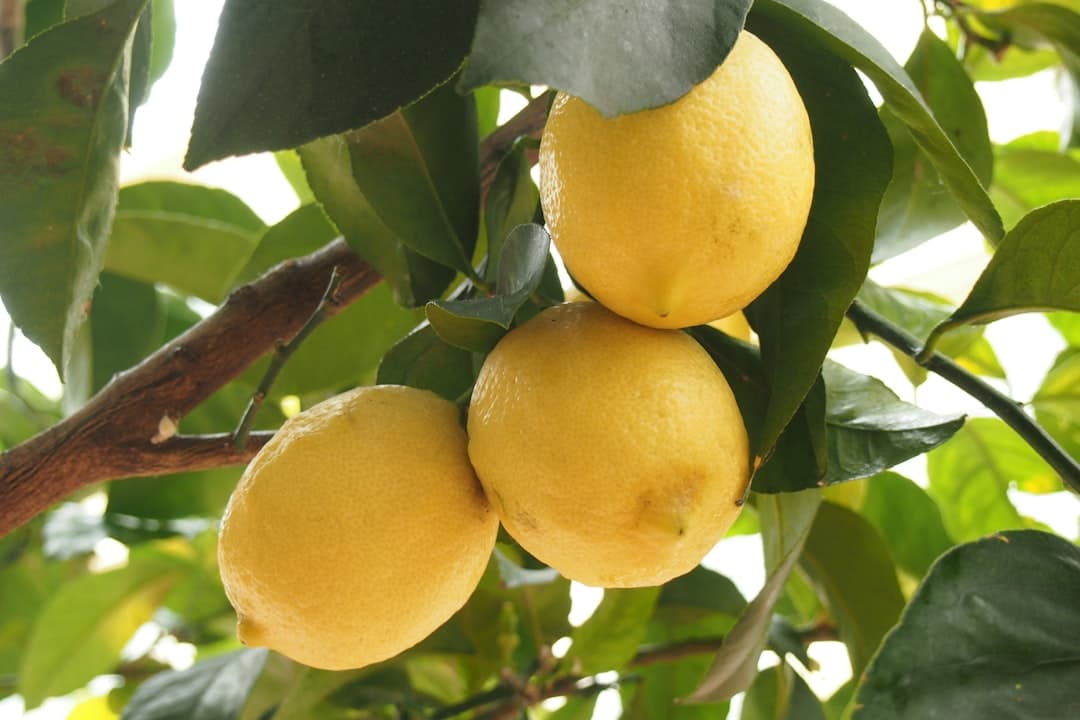
Walk through any traditional Cypriot garden in February and you'll be stopped in your tracks by it — that heady, honeyed citrus blossom scent drifting over garden walls from Larnaca to Paphos. Growing citrus trees in Cyprus isn't just possible; it's one of the most rewarding things a Mediterranean gardener can do, thanks to an island climate that mirrors the citrus belts of southern Spain and coastal California almost perfectly. Yet every year, well-meaning garden owners lose beautiful lemon and mandarin trees to the two things Cyprus does best: relentless summer heat and irregular watering.
Quick answer: Citrus trees in Cyprus need deep watering 2–3 times per week during summer (June–September), delivering 40–60 litres per mature tree each session, ideally in the early morning before 8am. Lemons, oranges, and mandarins all thrive in Cyprus's 300+ days of annual sunshine but require well-draining, slightly acidic soil, protection from the sharp winter winds of January, and vigilant monitoring for citrus leaf miner, which arrives with the first flush of spring growth.
This guide covers everything you need to establish, water, feed, and protect citrus trees successfully in a Cyprus garden or villa setting — whether you're planting your first lemon tree or nursing a decades-old orange tree back to full production.
Why Cyprus Is Ideal (and Occasionally Hostile) for Citrus
Citrus trees originated in subtropical Southeast Asia, and they've found a remarkably comfortable second home across the Mediterranean basin. Cyprus, in particular, offers the fundamental ingredients citrus needs: long hours of direct sun, mild winters that rarely dip below freezing in coastal and lowland areas, and warm soil temperatures that keep root systems active almost year-round.
300+
Sunny Days/Year
35°C+
Summer Peaks
500mm
Annual Rainfall
6.0-7.0
Ideal Soil pH
But this same climate has a harsher side. The near-total absence of rain between May and September means citrus trees are entirely dependent on irrigation during exactly the months they're pushing out fruit and new growth. Add in strong, drying winds off the Troodos foothills in winter, and occasional frost pockets inland around Nicosia's outskirts, and you have a climate that rewards attentive gardeners and punishes neglect quickly.
The Coastal vs Inland Divide
Citrus performs differently depending on where in Cyprus you're gardening. Coastal zones — Limassol, Larnaca, Paphos — offer milder winters and higher humidity, which citrus trees genuinely appreciate; humidity above 50% reduces water stress and helps fruit develop smoother skin. Inland and higher-altitude gardens, by contrast, face colder winter nights (occasionally down to 2-4°C) and drier air, meaning trees need wind shelter and slightly more generous winter mulching.
Soil Realities Across the Island
Much of Cyprus's soil is alkaline, calcareous, and heavy in clay, particularly around the central plain — the opposite of what citrus prefers. Citrus roots demand well-draining, mildly acidic soil in the 6.0–7.0 pH range; anything above pH 7.5 locks up iron and manganese, causing the yellow-veined leaves (chlorosis) so common in Cypriot citrus groves.
💡Pro Tip
How Often Should You Water Citrus Trees in Cyprus During Summer?
This is the single most-asked question from every villa owner and new gardener on the island, so let's answer it precisely.
During peak summer (June to September), water mature citrus trees deeply 2–3 times per week, providing 40–60 litres per session for an established tree, or roughly 15–20 litres for a young tree under three years old. Water should soak down to 40-60cm, reaching the full root zone, rather than lightly wetting the surface — shallow, frequent watering trains roots to stay near the surface, making trees far more vulnerable to heat stress.
Building a Seasonal Watering Schedule
Citrus watering needs shift dramatically across the Cyprus calendar:
- Winter (December–February): Water once every 10–14 days, only if there's been no meaningful rainfall. Overwatering during cool, low-evaporation months is the leading cause of citrus root rot in Cyprus gardens.
- Spring (March–May): Increase gradually to once every 5–7 days as temperatures climb and trees flush new growth and blossom.
- Summer (June–September): 2–3 deep waterings per week, always in the early morning or after sunset — never at midday, when much of the water simply evaporates before reaching the roots.
- Autumn (October–November): Taper back to weekly watering as temperatures fall and natural rainfall returns.
For a broader framework on timing irrigation correctly across all garden zones, see our detailed watering schedule for Cyprus summers — the same early-morning principles apply directly to citrus.
Signs You're Getting the Citrus Tree Watering Schedule Wrong
Citrus trees communicate stress clearly, if you know what to look for:
- Curling, leathery leaves with dry leaf tips — underwatering or wind desiccation
- Yellowing leaves that drop from the inside of the canopy — overwatering or poor drainage
- Fruit splitting on the tree — inconsistent watering, typically a dry spell followed by sudden heavy watering
- Sudden fruit drop in July/August — heat stress compounded by irregular irrigation
⚠️Important
If you've already got a heat-stressed tree on your hands with crisped leaves or collapsed foliage after a heatwave, our emergency heat-stress recovery guide walks through the exact rescue steps, many of which apply directly to citrus.
Lemon Tree Care in Cyprus: The Specifics
Lemons are, without question, the most popular and most forgiving citrus for Cyprus gardens — which is why nearly every traditional courtyard on the island has one tucked near the kitchen door.
Lemon Tree
Citrus limon
The most resilient citrus for Cyprus gardens. Fruits nearly year-round in mild coastal areas. Plant in spring (March-April) in well-draining soil, spaced at least 4m from walls or other trees. Varieties like 'Eureka' and the local 'Lapithou' lemon perform exceptionally well island-wide.
Planting and Positioning
Plant lemon trees in early spring, once the risk of any late frost has passed — late March into April is ideal across most of Cyprus. Choose a spot with full sun and, critically, shelter from strong winter winds, which can strip blossom and damage young bark. A south or southeast-facing wall works beautifully, since it also radiates warmth back to the tree on cool winter nights.
Feeding for Continuous Fruiting
Unlike oranges and mandarins, lemon trees in Cyprus's mild climate often flower and fruit almost continuously, which means they're heavier feeders. Apply a balanced citrus fertiliser (typically an NPK ratio around 12-6-6 with added magnesium and trace elements) every 6-8 weeks from March through October, tapering off completely in winter when growth slows.
Pruning for Shape and Airflow
Prune lemon trees lightly after the main spring fruit set, removing any inward-growing branches, suckers from below the graft union, and dead wood. Good airflow through the canopy is one of the most effective, low-effort defences against fungal issues in Cyprus's humid coastal air.
🌿Eco Tip
Growing Orange Trees: What Makes Them Different
Orange trees share most of their care requirements with lemons but are notably more cold-tolerant and slightly more patient, often taking a full year to ripen fruit from blossom to harvest.
Sweet Oranges vs Bitter Oranges in Cyprus Gardens
Cyprus has a long-standing love affair with the bitter orange (Citrus aurantium), commonly seen lining streets in Nicosia and used ornamentally as much as for marmalade production. Sweet oranges (Citrus sinensis), including popular varieties like 'Valencia' and 'Navel', are the ones you'll want for eating fresh, and they perform best in the warmer coastal belt where they receive the full heat units needed to develop sweetness.
Winter Chill and Fruit Sweetness
Interestingly, orange trees benefit from Cyprus's cooler winter nights (particularly at higher elevations like Troodos foothill villages) because a modest temperature drop in the weeks before harvest actually improves sugar development in the fruit. This is why oranges grown slightly inland, around 200-400m elevation, often taste noticeably sweeter than those grown in the hottest coastal pockets.
Harvest Timing
Sweet oranges in Cyprus typically ripen from December through February, though fruit can safely be left on the tree for several additional weeks without losing quality — a rare and useful trait, since citrus doesn't continue ripening once picked.
Mandarin Tree Care for Cyprus Villas and Courtyards
Mandarins have become the standout choice for Cyprus villa gardens over the last decade, and it's easy to see why: they're compact, extremely productive, and tolerate container growing far better than oranges or grapefruit.
Mandarin Tree
Citrus reticulata
Excellent for villa gardens and large terracotta pots on Cyprus terraces. Compact growth habit (2-3m) suits smaller courtyards. Varieties like 'Clementine' and local 'Cyprus mandarin' fruit heavily from November to January. Needs winter wind protection when grown in pots.
Why Mandarins Suit Villa and Terrace Gardens
Many Cyprus villas, particularly newer builds in Limassol and Paphos with limited garden soil and expansive paved terraces, have turned to mandarins grown in large pots (minimum 60cm diameter) as ornamental, productive features near pools and outdoor dining areas. Their glossy evergreen foliage, fragrant spring blossom, and manageable size make them ideal for this setting in a way that full-sized orange trees simply aren't.
Container Growing Considerations
A potted mandarin tree on a Cyprus villa terrace faces harsher conditions than one in open ground — the pot heats up faster in direct sun, and roots have less buffer against both heat and cold. Use a high-quality citrus-specific potting mix, re-pot into a larger container every 2-3 years, and water more frequently than you would an in-ground tree, since terracotta and stone terraces radiate significant heat back onto the root zone during summer.
💡Pro Tip
Fruit Timing and Yield Expectations
A well-established mandarin tree (4-5 years old) in Cyprus conditions can produce 80-150 fruits annually, with harvest typically running from mid-November through January. Expect a noticeably heavier crop every second year — this natural biennial bearing pattern is normal and not a sign of a problem.
Citrus Leaf Miner Treatment: Cyprus's Most Common Citrus Pest
If there's one pest guaranteed to appear on nearly every citrus tree in Cyprus at some point, it's the citrus leaf miner (Phyllocnistis citrella). Its telltale silvery, serpentine trails etched across new leaves are unmistakable and appear most aggressively during the flush growth periods of spring (March-May) and again in early autumn.
Identifying the Damage
Citrus leaf miner larvae tunnel between the upper and lower surfaces of young, tender leaves, leaving behind distinctive winding silver trails and causing leaves to curl and distort. While unsightly, the damage is rarely fatal to an established tree — the real concern is with young trees under two years old, where repeated infestation can meaningfully slow growth.
Effective, Low-Toxicity Treatment Options
The most effective approach for Cyprus gardens combines prevention with targeted, low-impact treatment:
- Neem oil spray applied every 10-14 days during active flush periods (spring and early autumn) disrupts the leaf miner's egg-laying and larval development cycle
- Yellow sticky traps placed near affected trees help monitor and reduce adult moth populations
- Encouraging natural predators like parasitic wasps (Ageniaspis citricola), which have established well across Cyprus and provide meaningful biological control without any spraying at all
- Avoiding excessive nitrogen fertiliser during flush periods, since lush, soft new growth is exactly what leaf miners prefer
⚠️Important
When to Actually Intervene
Established trees producing good fruit can usually tolerate moderate leaf miner damage without any treatment at all — the tree simply sheds affected leaves in its next natural cycle. Treatment is genuinely warranted only on young trees, heavily stressed trees, or when infestation coincides with hot, dry conditions that compound the tree's overall stress load. If your citrus tree is also showing signs of general heat stress alongside pest pressure, it's worth reviewing our heat-stressed plant recovery guide to address the underlying vulnerability first.
Citrus trees aren't the only mature specimens vulnerable to pest pressure in Cyprus gardens — if you're managing a wider landscape that includes palms, it's worth also being familiar with the warning signs of red palm weevil, one of the island's most destructive ornamental pests.
A citrus tree in Cyprus tells you exactly what it needs if you watch the leaves closely enough. Most of the citrus decline we see isn't disease at all — it's inconsistent watering compounding small stresses until the tree simply can't keep up. Get the watering rhythm right, and ninety percent of citrus problems on this island solve themselves.
Feeding, Mulching, and Winter Protection
Beyond watering, three additional practices separate a merely surviving citrus tree from a genuinely thriving one in Cyprus conditions.
A Practical Feeding Calendar
Feed citrus trees three to four times annually: late winter (February, just before spring flush), late spring (May, supporting fruit set), midsummer (July), and early autumn (September). Use a citrus-specific fertiliser containing magnesium, zinc, and iron — Cyprus's alkaline soils frequently run short on these micronutrients, and their absence shows up quickly as interveinal yellowing on leaves.
Mulching for Root Protection
Apply a 5-7cm layer of organic mulch (well-rotted compost, straw, or bark chips) around the base of each citrus tree, keeping it pulled back at least 10cm from the trunk to prevent collar rot. Mulch reduces summer soil temperature by several degrees, slows moisture evaporation dramatically, and suppresses the weeds that otherwise compete for water during Cyprus's driest months.
Protecting Against Winter Wind and Rare Frost
While coastal Cyprus rarely sees true frost, inland gardens and elevated villa positions occasionally do, particularly in January. Wrap young or newly planted citrus trunks with breathable horticultural fleece during any forecast cold snap, and always position new plantings away from open, wind-exposed corners where cold air pools overnight.
💡Pro Tip
Frequently Asked Questions
How often should you water citrus trees in Cyprus during summer?
Water mature citrus trees deeply 2-3 times per week during summer (June-September), delivering 40-60 litres per session and soaking to a depth of 40-50cm, so the water reaches the full root zone instead of evaporating from the surface. Reduce to once every ten to fourteen days through the winter months.
Citrus rewards steady, unhurried care more than any quick fix. If you would like your trees assessed before the next growing season, book a free consultation.
Green Planet Gardening
Luxury garden design, construction, and maintenance across Cyprus. Founded by the Knodaritis brothers with over a decade of Mediterranean landscaping excellence.
Book a free consultation →Continue Reading
 Plant Guide
 Plant Guide
 Plant Guide