
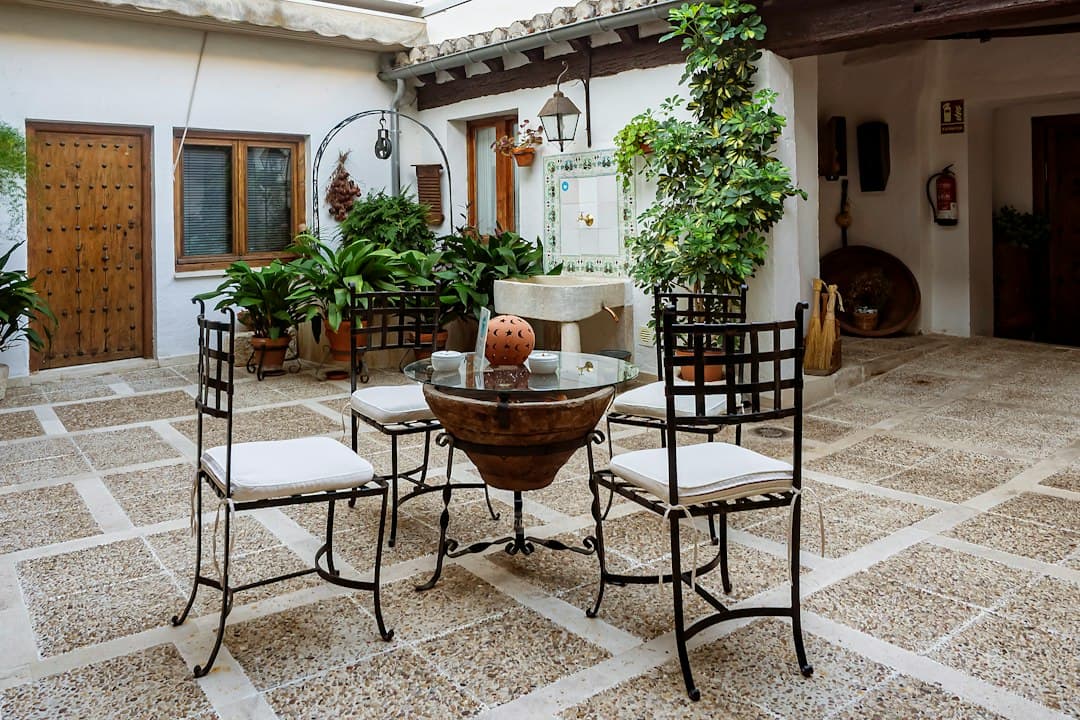
The first time I drove past a villa in Pyla with its new limestone driveway taking shape in December, I understood something most Cyprus homeowners discover too late: hardscaping projects to start in Cyprus winter aren't a compromise — they're the smartest move in the entire gardening calendar. While summer visitors sip frappés on half-finished terraces, the savvy villa owners are pouring foundations, setting pavers, and building retaining walls in the cool, dry comfort of December through February.
Quick Answer: Why Winter Is Cyprus's Hardscaping Season
Winter (November through February) is the optimal season for hardscaping in Cyprus because soil moisture levels are higher and more consistent, concrete and mortar cure slower and stronger in temperatures between 10-18°C, and contractors have full availability before the spring rush. Unlike summer's 35°C+ heat, which causes concrete to crack from rapid moisture loss, winter conditions allow materials to set properly while your garden beds lie dormant — meaning zero disruption to plant life.
10-18°C
Average Winter Temps
60-70%
Lower Cracking Risk
4-6
Weeks Faster Project Turnaround
300+
Sunny Days/Year
Why Is Winter the Best Time to Do Hardscaping in Cyprus?
This is the question we get most at Green Planet, and for good reason — it defies the instinct to "wait for good weather." In Cyprus, good weather for people is often bad weather for concrete.
The Science of Curing in Cooler Temperatures
Concrete needs a slow, steady cure to reach its full compressive strength. When ambient temperatures exceed 30°C, as they routinely do from June through September, surface moisture evaporates faster than the hydration process can complete. This causes plastic shrinkage cracking — those fine spiderweb fractures you've probably seen on hastily poured summer patios across the island. At winter temperatures of 10-18°C, curing happens gradually over the full 28-day strength-development window, producing a denser, more durable slab that resists the freeze-thaw cycles (yes, even Cyprus gets frost in the Troodos foothills and inland villages) and the punishing UV load of a Cypriot summer.
Soil Stability and Workability
Cyprus's notorious clay-heavy soils — the same reddish, sticky terra rossa that frustrates so many new homeowners — behave very differently depending on moisture content. In summer, this soil bakes rock-hard and cracks, making excavation for footings and retaining walls a genuine battle requiring heavier machinery and more diesel. In winter, after a few good rains, the soil reaches an ideal workable moisture level: soft enough to excavate cleanly, firm enough to hold a trench wall without collapsing. If you're also tackling soil issues elsewhere in the garden, our guide on best compost and soil amendments for Cyprus clay soil pairs well with any winter hardscaping plan.
Contractor Availability and Material Pricing
There's also a simple commercial reality: demand for hardscaping drops sharply once the weather turns cool, even though conditions are objectively better for building. This means Cyprus landscaping companies — including ours — have more flexibility in scheduling, and suppliers often reduce prices on natural stone, pavers, and aggregate during the slower winter months. Booking in November or December typically means your project is complete, cured, and ready before the first garden parties of April.
💡Pro Tip
What Is the Best Time to Build a Patio in Cyprus?
If you've been asking "when should I build a patio in Cyprus," the answer is unambiguous: between late November and late February, with December and January offering the most reliable working conditions island-wide.
Ideal Weather Windows by Region
Coastal areas like Limassol, Paphos, and Larnaca enjoy milder winters, with daytime temperatures often sitting comfortably between 15-19°C — perfect working conditions for masons and landscapers alike. Inland and higher-altitude properties near Troodos can see temperatures dip closer to 5-8°C and occasional rain delays, so if your villa sits in these cooler zones, early winter (November to mid-December) is your safest build window before the wettest weeks of late January.
Patio Materials That Perform Best When Installed in Winter
Natural limestone, travertine, and porcelain paving all benefit enormously from winter installation because the adhesive mortars beneath them cure at a controlled rate, preventing the "hollow tile" problem that plagues rushed summer jobs. Travertine in particular — a favourite for Cyprus courtyards because of its heat-reflective, cool-underfoot quality — needs proper mortar bonding to avoid cracking under summer thermal expansion later on.
Rosemary (border planting)
Salvia rosmarinus
Plant along new patio edges in late winter for an aromatic, drought-tolerant border that softens hardscaping lines and attracts pollinators by March.
Patio Drainage Planning in the Rainy Season
Here's an underappreciated winter advantage: you get to see exactly how water moves across your site while you're building. Cyprus's heavy, short-duration winter storms reveal natural runoff paths that are invisible in the bone-dry summer months. Building your patio's falls and drainage channels during the rains means you're designing around real water behaviour, not guesswork — a detail many DIY patio builds get catastrophically wrong.
⚠️Important
Should You Build a Retaining Wall in Cyprus During Winter?
Absolutely — and for sloped properties across Cyprus's hillside developments in areas like Germasogeia, Agios Tychonas, and the Paphos foothills, retaining wall construction in Cyprus is arguably the single most important winter hardscaping project you can undertake.
Why Winter Soil Conditions Favor Wall Foundations
Retaining walls live or die by their foundations, and foundations live or die by soil compaction. Winter's naturally moist soil compacts more uniformly under mechanical tamping than bone-dry summer soil, which tends to compact unevenly and leave hidden voids. These voids are precisely what cause retaining walls to bulge or fail two or three years down the line — usually right after a particularly wet winter, when saturated soil finally finds its weak point.
Gravity Walls vs. Engineered Walls for Cyprus Slopes
For walls under 1 metre, a simple gravity wall using local limestone or concrete block often suffices. But for anything taller — and many Cyprus hillside gardens need walls of 1.5 to 3 metres to create usable terraces — you need an engineered solution with proper geogrid reinforcement, weep holes every 1-1.5 metres, and a compacted gravel drainage layer behind the wall face. Skipping these details is the single most common cause of retaining wall failure we see across the island, particularly in properties built before updated drainage codes became standard practice.
Every retaining wall we've ever had to rebuild failed for the same reason: inadequate drainage behind the structure. Winter construction actually makes this easier to get right, because you can watch the water find its way and build your weep holes exactly where they're needed.
Permits and Height Regulations
Retaining walls over 1 metre in height typically require notification to your local municipality under Cyprus planning regulations, and walls supporting significant slopes near property boundaries may need a structural engineer's sign-off. Winter's slower building season gives you breathing room to handle this paperwork without delaying your spring landscaping plans. If you're unsure what questions to raise with your contractor about structural work like this, our piece on what to ask a landscaping company before work begins covers the exact points to clarify before signing a contract.
What Garden Paving Projects Work Best for Winter Installation?
Garden paving winter installation in Cyprus isn't limited to patios — pathways, pool surrounds, and courtyard resurfacing all benefit from the same cool-season advantages.
Pathway and Walkway Construction
Garden pathways are a wonderful winter project because they require minimal disruption to existing planting — ideal if you're also renovating beds nearby. If your renovation plans extend beyond hardscaping into the garden itself, it's worth reading our guide on planning your Cyprus garden renovation before autumn planting season, since pathway placement often determines where your new planting zones end up.
Pool Surround Paving
For villa owners with existing or planned swimming pools, winter is the ideal window to resurface pool decking without losing a single day of summer swimming season. Non-slip travertine and textured porcelain are the two standout choices for Cyprus pool surrounds, both offering excellent heat resistance that keeps bare feet comfortable even at 38°C in August. For a full breakdown of how paving fits into a broader pool design strategy, see our comprehensive pool landscaping ideas for luxury Cyprus villas.
Courtyard and Entrance Resurfacing
Many older Cyprus properties — particularly traditional stone villas in villages like Omodos or Lefkara — have original courtyard paving that's shifted or cracked over decades. Winter is the ideal time to lift, relevel, and relay this stone, since the original material can usually be salvaged and reset rather than replaced, preserving the character of the property while fixing drainage and stability issues underneath.
🌿Eco Tip
What Should You Know About Driveway Landscaping for Cyprus Villas in Winter?
Driveway landscaping Cyprus villa projects are among the most technically demanding hardscaping jobs, precisely because driveways must handle vehicle loads, drainage, and daily foot traffic simultaneously.
Base Preparation Requirements for Cyprus Driveways
A proper driveway base in Cyprus needs a minimum of 150-200mm of compacted crushed stone (usually local limestone aggregate, known locally as "skyros") beneath the surface layer, more if your villa sits on expansive clay soil prone to seasonal swelling. Winter compaction, again, is simply more reliable — damp aggregate compacts to a tighter, more stable density than dry material, reducing the risk of future settling or potholing.
Material Choices: Gravel, Pavers, and Resin-Bound Surfaces
Resin-bound driveways have become increasingly popular across Limassol and Paphos villa developments for their permeable, low-maintenance surface, but they require dry application conditions and temperatures above 5°C to cure properly — making a mild winter day (rather than a scorching summer one, when the resin can flash-cure unevenly) the ideal installation window. Natural stone sett driveways, meanwhile, benefit from the same mortar-curing advantages as patios.
Bougainvillea
Bougainvillea glabra
A spectacular choice for softening new driveway walls or entrance pillars — plant bare-root specimens in January for vigorous spring growth and vivid magenta or orange blooms by May.
Integrating Shade Structures Into Driveway Design
Many villa driveways in Cyprus now incorporate shaded parking areas, and winter is the perfect time to install the structural footings for pergolas or carports before adding the shade canopy itself in spring. If you're considering a bioclimatic structure to shade both driveway and entertaining areas, our detailed guide to bioclimatic pergolas for Cyprus villas explains how to coordinate footing placement with your hardscaping contractor from day one.
💡Pro Tip
How Do You Plan a Winter Hardscaping Project Timeline in Cyprus?
Even with ideal conditions, winter hardscaping projects need realistic scheduling around Cyprus's weather patterns and holiday calendar.
Accounting for Rain Delays
While winter rainfall in Cyprus averages only 300-500mm annually — modest by European standards — it tends to arrive in concentrated bursts rather than gentle, steady rain. Build a buffer of 5-7 additional working days into any winter hardscaping timeline to account for these delays, particularly for projects scheduled across December and January, historically the wettest months.
Coordinating Around the Holiday Season
Late December into early January sees most Cyprus contractors (ourselves included) pause for the holidays, typically from December 23rd through January 6th. Projects started in November generally reach a natural pause point — such as curing time after a concrete pour — that aligns conveniently with this break, so plan your project kickoff with this rhythm in mind rather than fighting against it.
Sequencing Hardscaping Before Spring Planting
The single biggest planning mistake we see is homeowners wanting to plant and build simultaneously. Hardscaping should always be substantially complete — or at minimum, all excavation and heavy machinery work finished — before any new planting begins, since compaction from equipment and foot traffic will damage root systems and disturb soil structure. Sequencing your project this way means your patio, driveway, or retaining wall is fully cured and settled by the time spring planting season arrives in March.
FAQ: Winter Hardscaping in Cyprus
Why is winter the best time to do hardscaping in Cyprus?
Winter offers cooler temperatures (10-18°C) that allow concrete and mortar to cure slowly and strongly, moister soil that compacts more reliably for foundations and retaining walls, and greater contractor availability than the busy spring and summer seasons — together reducing cracking risk and project delays.
Can you pour concrete in Cyprus during the rainy season?
Yes, as long as you schedule around forecasted rain and protect freshly poured concrete with covers during its initial 24-48 hour set period. Most reputable Cyprus hardscaping contractors monitor weather windows closely and will pause pours only during active heavy rainfall, not for general winter humidity.
How long does a typical patio installation take in Cyprus during winter?
A standard 40-60 square metre patio, including excavation, base preparation, and paving, typically takes 2-3 weeks in winter conditions, factoring in curing time. Add 5-7 days buffer for possible rain delays.
Do retaining walls need planning permission in Cyprus?
Retaining walls exceeding 1 metre in height generally require notification to your local municipality, and taller structural walls may need engineering certification. Always confirm current requirements with your municipality or your landscaping contractor before construction begins.
Winter's cool air and quiet garden calendar make it the ideal season to transform your Cyprus property's hardscaping — but getting the details right, from drainage falls to retaining wall reinforcement, takes genuine expertise. If you're ready to start planning your patio, driveway, or retaining wall project, book a free consultation with the Green Planet Gardening team and let's map out your winter build timeline together.
Green Planet Gardening
Luxury garden design, construction, and maintenance across Cyprus. Founded by the Knodaritis brothers with over a decade of Mediterranean landscaping excellence.
Book a free consultation →Continue Reading
 Landscaping
Do Clover Lawns Work in Cyprus?
6 min read
LandscapingPlanning a Sprinkler System in Cyprus
8 min read
 Landscaping